Reflections on making a commercial with no client, no brief, and thirty people who showed up anyway.
A note from Armin: Chris and I reconnected at the start of this year and started talking about making something with no client and no brief attached. Five months later we had thirty people in a studio in Lincolnshire. I asked him to write down how it actually went, and he didn't sand off the parts that were hard. The rest of this is in his words.
I've never written one of these before, and I'm doing it because I think the version of this story that usually gets told is the wrong one.
The version that gets told is the finished film and a credit list. What actually happened is a director coming off burnout, a producer with an open calendar, thirty people who agreed to spend a weekend in Lincolnshire for nothing, and a shot I'd been describing to people for over a year that finally got made. If you're sitting on your own self-initiated piece and wondering whether it's worth the money and the favors you'd have to call in, I'd rather you have the honest version than the reel.
One Word on a Vision Board
At the beginning of this year, I wrote one word in my journal and put it on my vision board.
Kinetic.
I meant something specific by it. Movement. Texture. Quick cuts.
Most of the work I'd made over the previous year and a half was meditative. Slower, quieter, more patient. I loved making it, and it was right for that season. But I hadn't made anything that felt like where I actually am as a director now, and there's a particular frustration in having a reel full of work you're proud of that still doesn't quite sound like you.
I wanted to experiment with pacing, to oscillate between slow, meditative moments and something quick and volatile. People may tell you that style of editing is overdone right now, but I hadn't played in that sandbox in years, and I truly just wanted to.
So the word went up on my board in January, I reconnected with Armin in February, we planned the shoot through March and April, and we shot the damn thing in May!
The Conversation That Started It
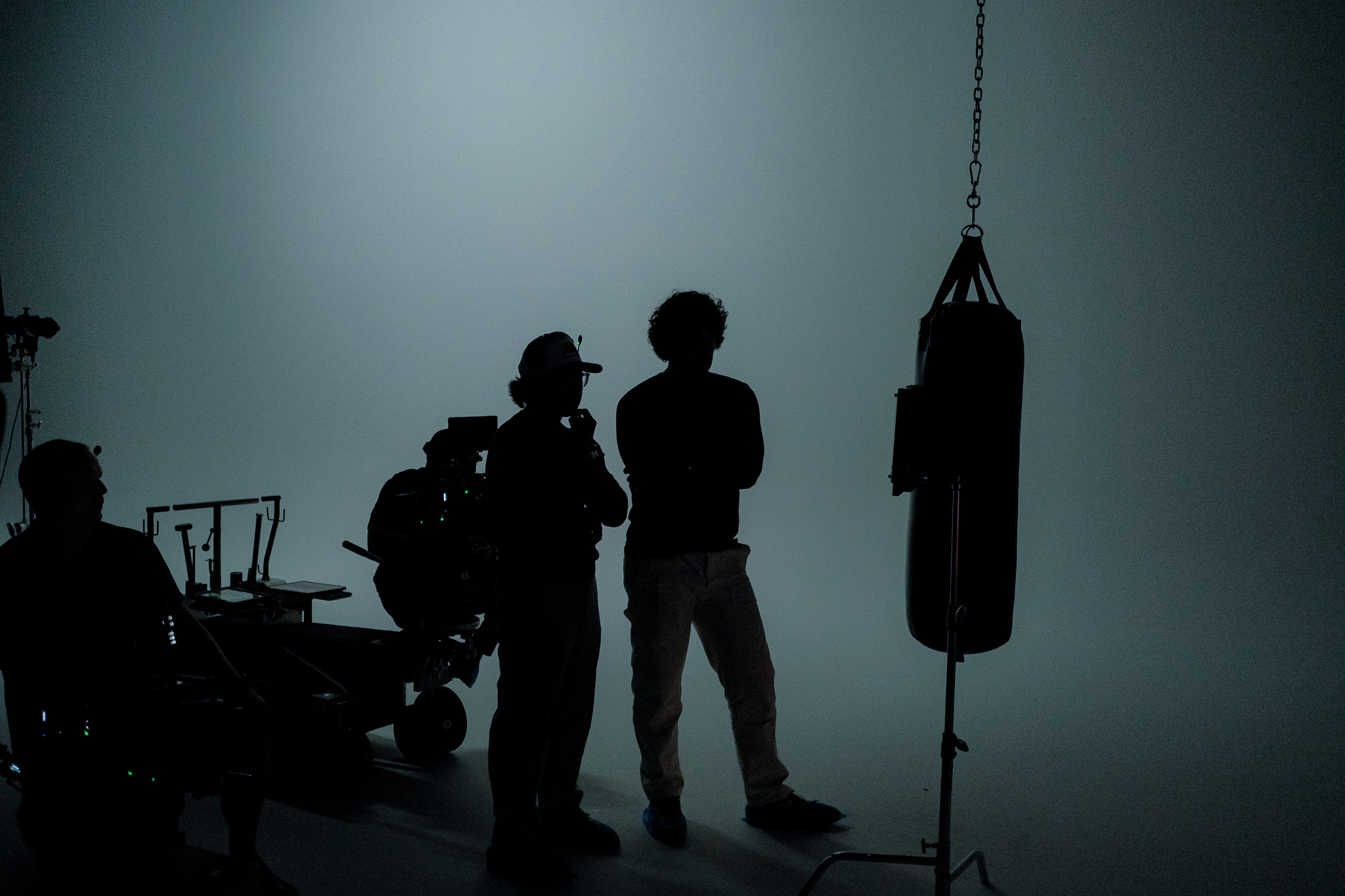
Armin and I had known each other for a while without ever having worked together. We finally sat down at the beginning of this year, and it was one of those full-circle moments that's hard to explain unless you've had one.
I'd just left my marketing agency job and wanted to get my reps in again as a director. I needed work that would test my ability and my competence against where I'm at now as an artist. When I met with Armin, he mentioned he'd been in conversation with a few brands and floated the idea of making something together with no client attached.
At that point in the conversation there was no idea. I didn't even know what brand we were going to make it for. I said yes anyway. I knew that a commitment would produce an idea, and that having someone like Armin championing it would push me to follow through. I want to be honest about that part, because a lot of people wait for the idea before they commit, and the commitment is usually what produces the idea.
There was no brief. No brand deck. No round of revisions where the thing you loved most gets cut because someone's boss saw it on a Tuesday and didn't like the color. The sandbox was completely open, and Armin built an environment where we could actually play in it.
Slowing Down to Speed Up
Halfway through last year I burned out. Properly.
I'd spent my whole career saying yes to everything and trying everything, which is genuinely how I think you build a career early on, and I don't regret a minute of it. I was moving between filmmaking, marketing strategy, and sales, and saying yes taught me new skills and put me in rooms I wouldn't otherwise have been in.
Then I hit my limit, and my time of saying yes was coming to an end. I reflected and recognized I needed to learn how to say no, and to direct my energy into one or two things. What got me here was not going to keep me here, and it definitely wasn't going to get me where I want to go.
Getting there was going to require saying no. It was going to require actual rest. It was going to require pouring into friendships, my health, and into the version of me that exists outside of work. That's an uncomfortable thing to learn when your entire professional identity is built on being the guy who never turns anything down.
So the film is about that. Slowing down to speed up.
I spent years thinking the ceilings above me came down with brute force. Just work harder. Keep working harder. It turned out the answer was stopping, breathing, reassessing, and going again. A much less flattering story about yourself, but a much more useful one.
Finding the Concept in a Song
Music informs almost everything I make. I'll usually find the track before I find the shots, because the track tells me the shape of the thing. It gives me a sense of pacing.
I don't remember how I stumbled onto Code Race by Ryan Lott, but the moment I heard it, I knew. It's futuristic, but it has this grounded, textured quality that I really enjoyed. And structurally, it does exactly what the concept needed. There are these beautiful meditative stretches that open up space to breathe, and then it builds into crescendos that lead you into action.
Slow down. Speed up. It was already in the music, and it gave me the foundation I needed to write.
That's a practical tip more than a philosophical one. I find that if you're building a self-initiated piece with no brief telling you how long it should be or where it should turn, you should find your track early and let it be your outline. It'll save you a week of arguing with yourself about structure.
Why a Boxer, a Cyclist and a Runner
When Armin and I zeroed in on the film revolving around Theragun, we knew we needed athletes. Multiple athletes, from different sports.
More athletes increased the scale and added to the visual world we were creating, but most importantly, it showed that despite being in different sports, they share a common throughline.
Athletes track all of their milestones. They know their numbers, they know what goals they're trying to break through, and they know that breaking a record and improving doesn't come from going one hundred percent every single day.
Recovery is a necessary part of the process, and that natural regimen allowed the story to, in some ways, write itself. The proverbial glass ceiling, no matter what you're in, can only be shattered by being calculated about how hard you push, and by resting.
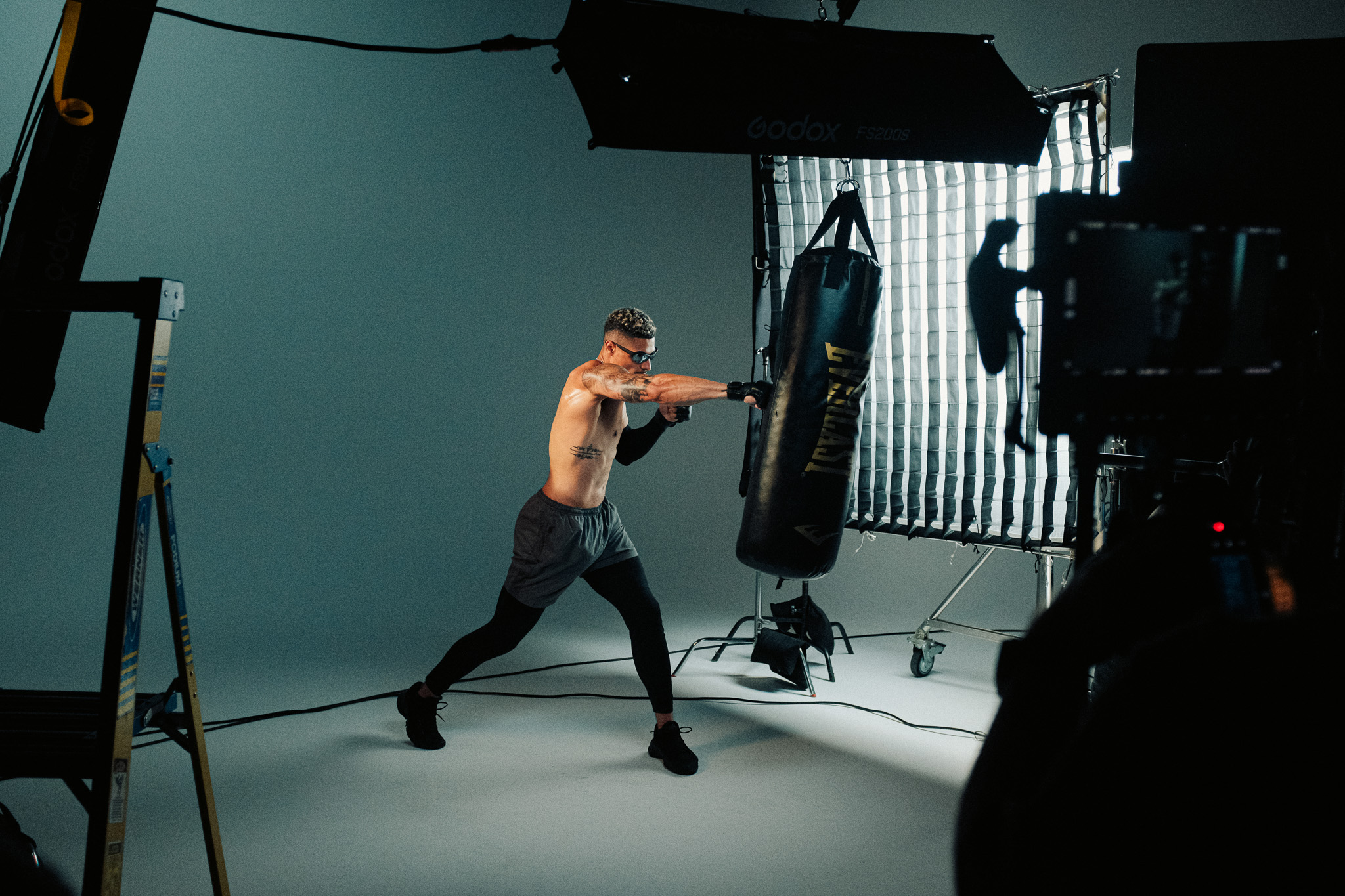
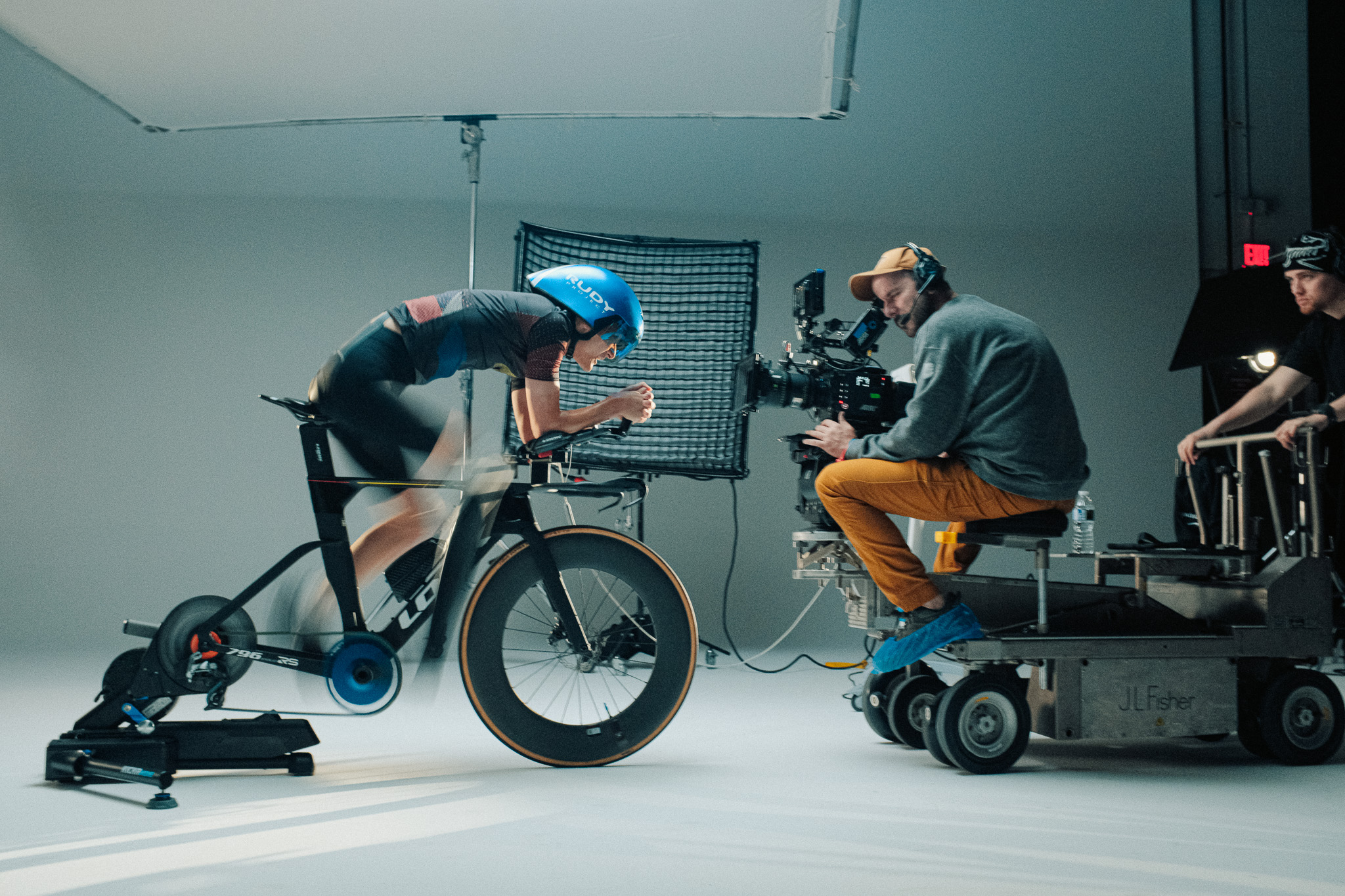
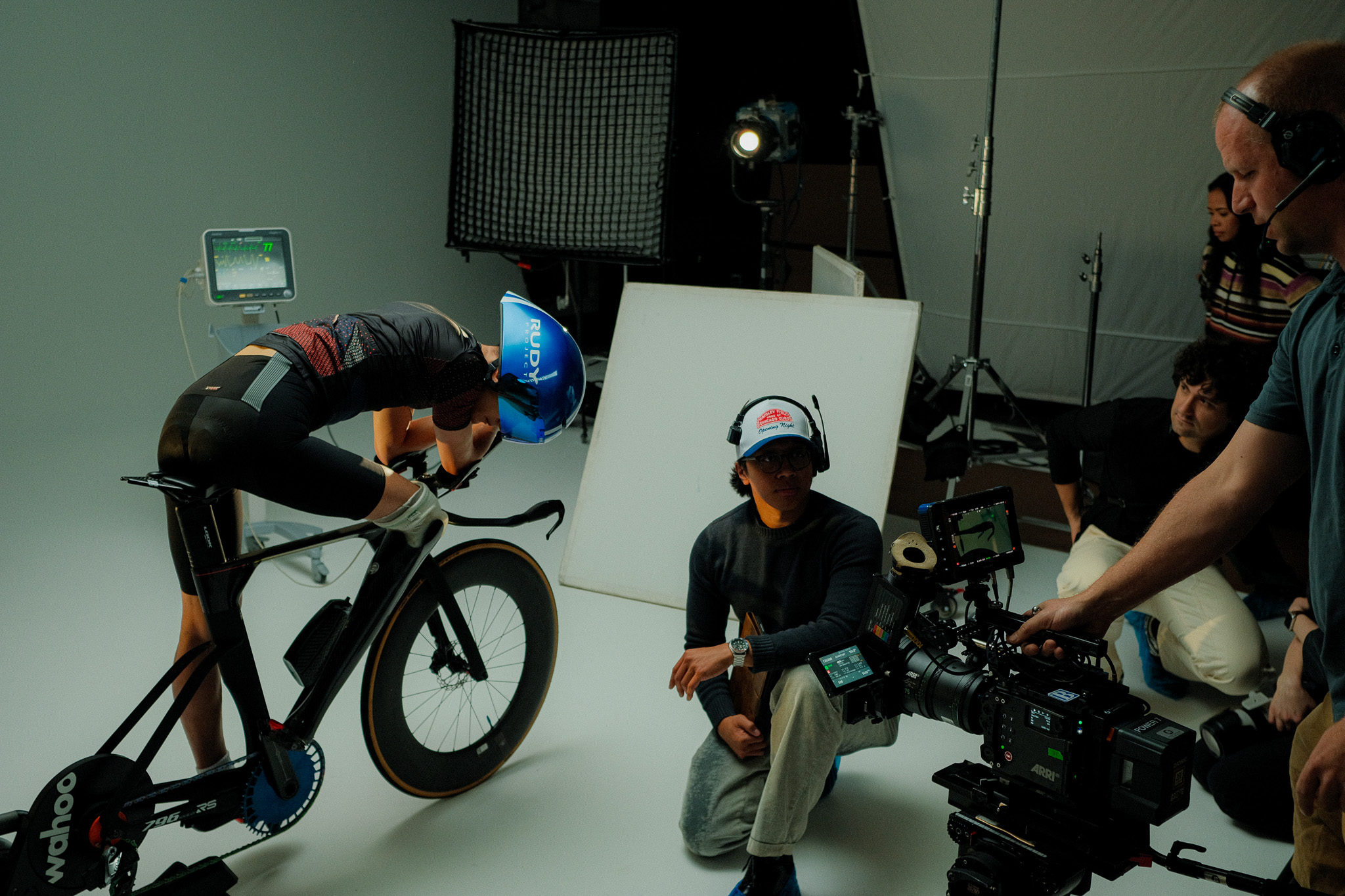
Jordan boxes. Kai cycles. Lesly runs.
Kai, Jordan, and Lesly are incredibly talented athletes and even more incredible human beings who were so down to be a part of this with honestly very little notice. It's that energy, dedication, and work ethic that make a set better instead of harder.
One Location, Three Setups
Here's the constraint that shaped everything.
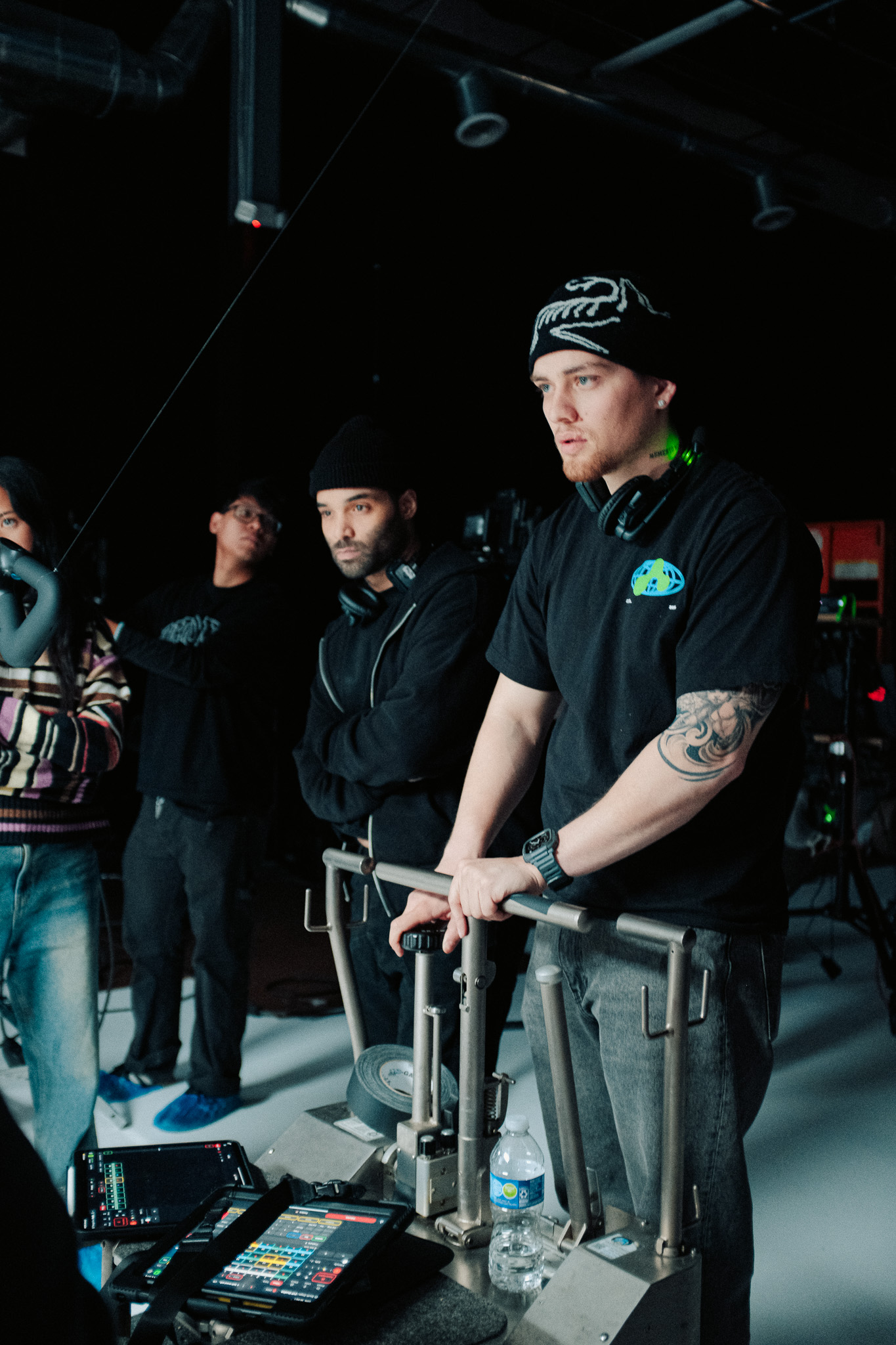
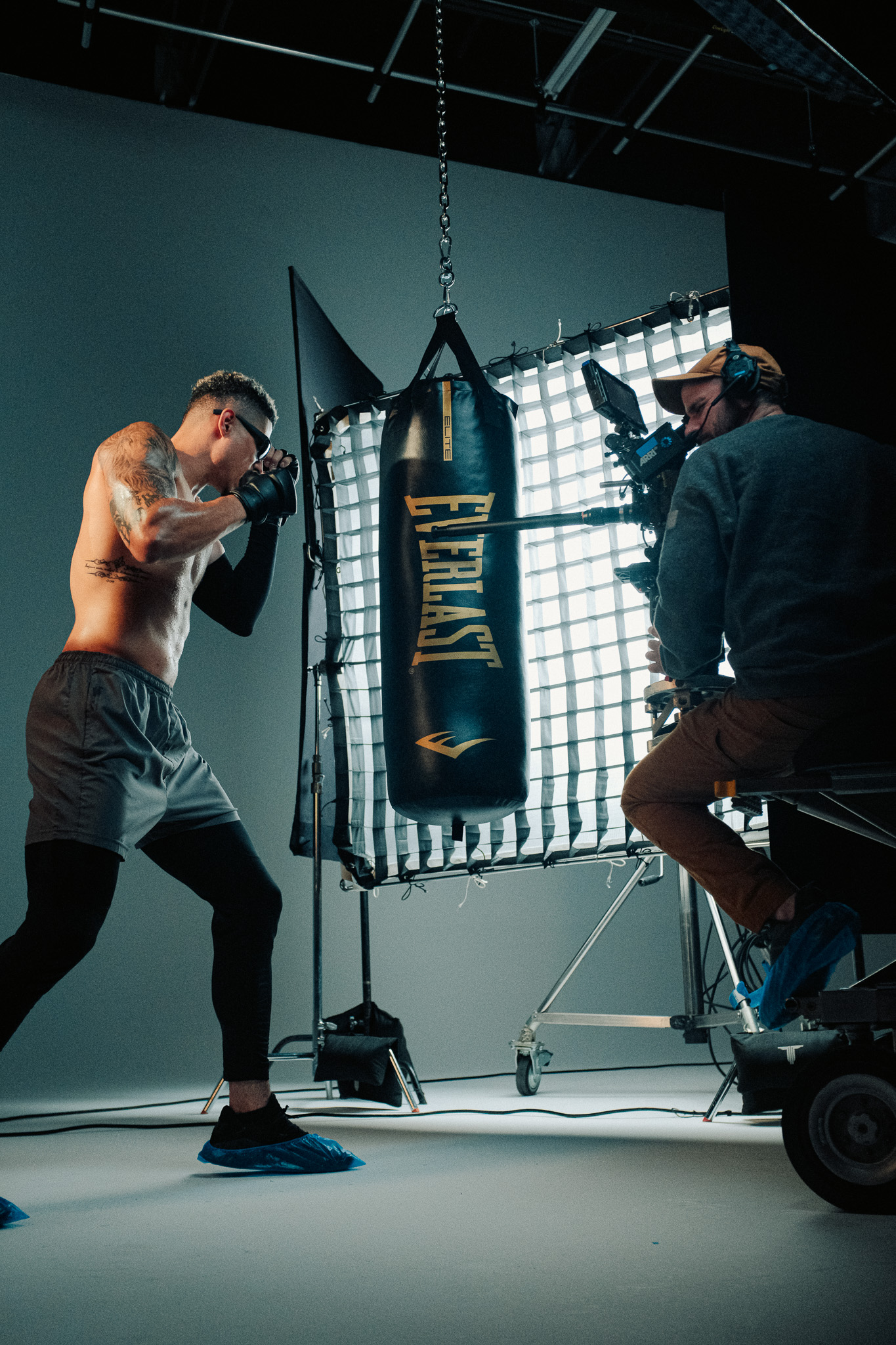
We had three athletes, limited time, and a crew donating their days. When people are giving you their weekend for free, you owe them a plan that respects that. Which meant one location, and it had to be big enough to hold three completely different builds.
Matt Browne has been my first AD on a lot of projects over the last few years, and he's also one of the project managers and client liaisons at XVP, which has this insane 5,000+ square foot cyc wall space. I called Matt, told him about the project, and asked if he wanted to go on another wild ride with me, and he secured us our location and AD'd for us!
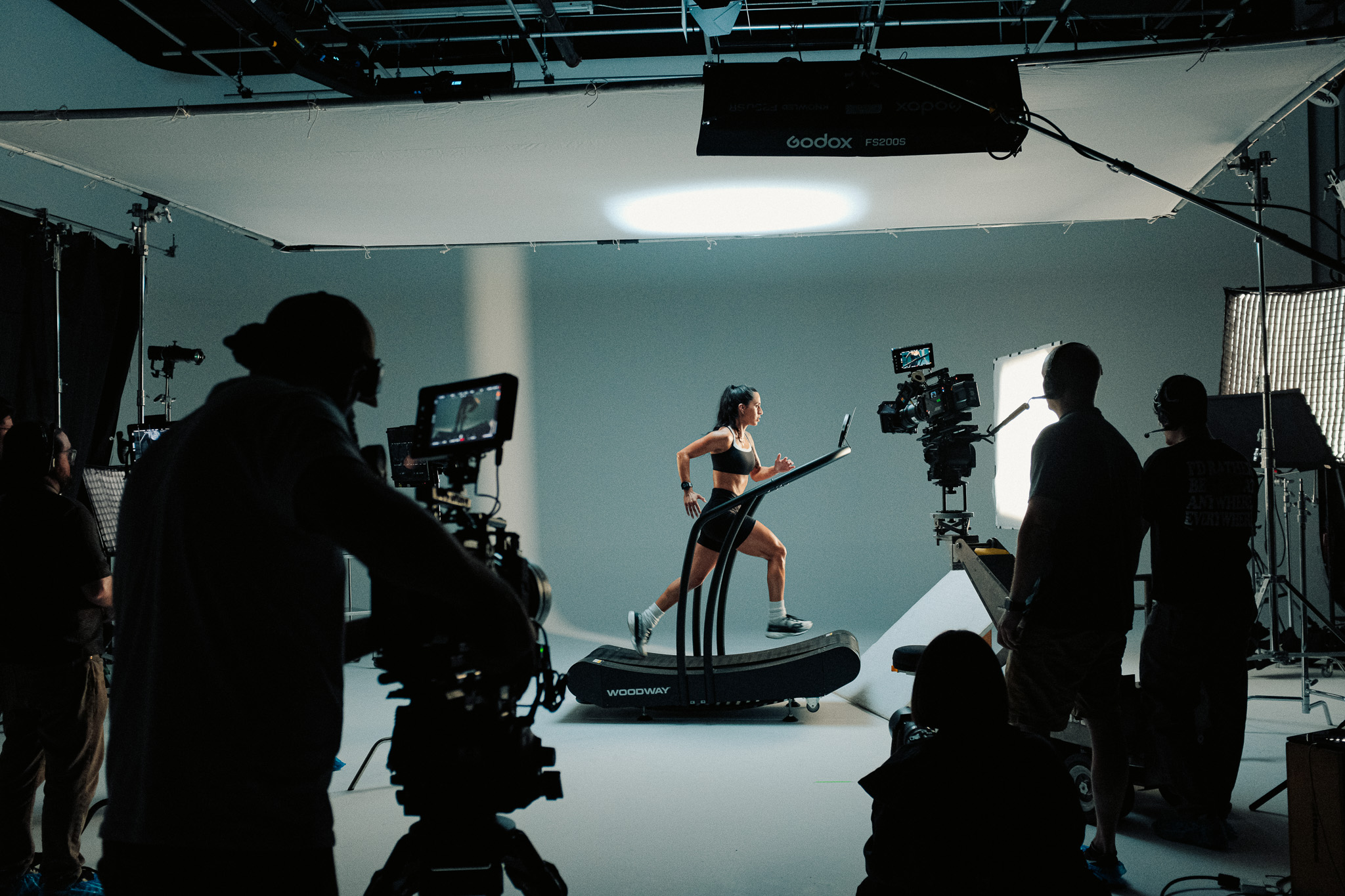
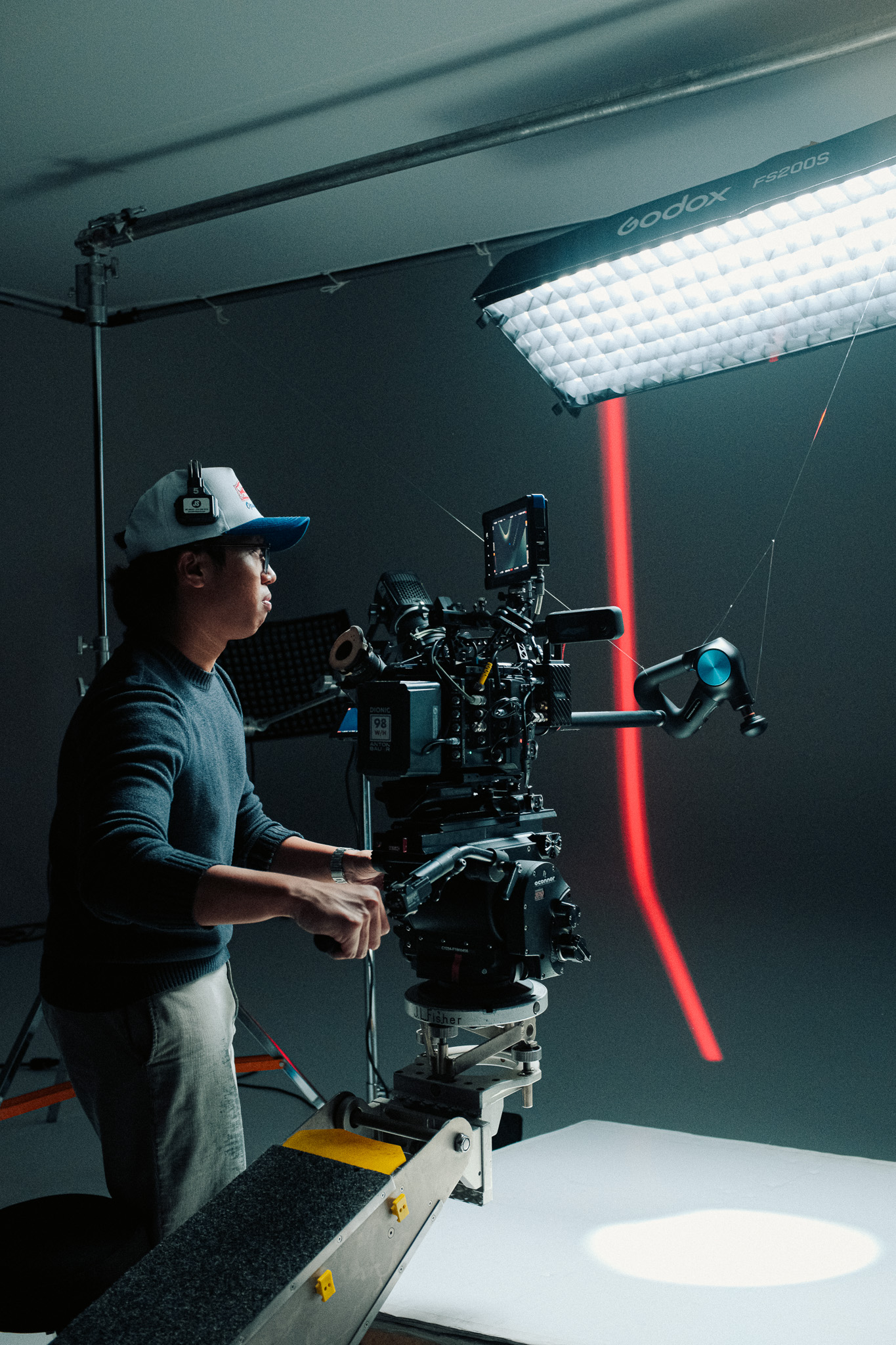
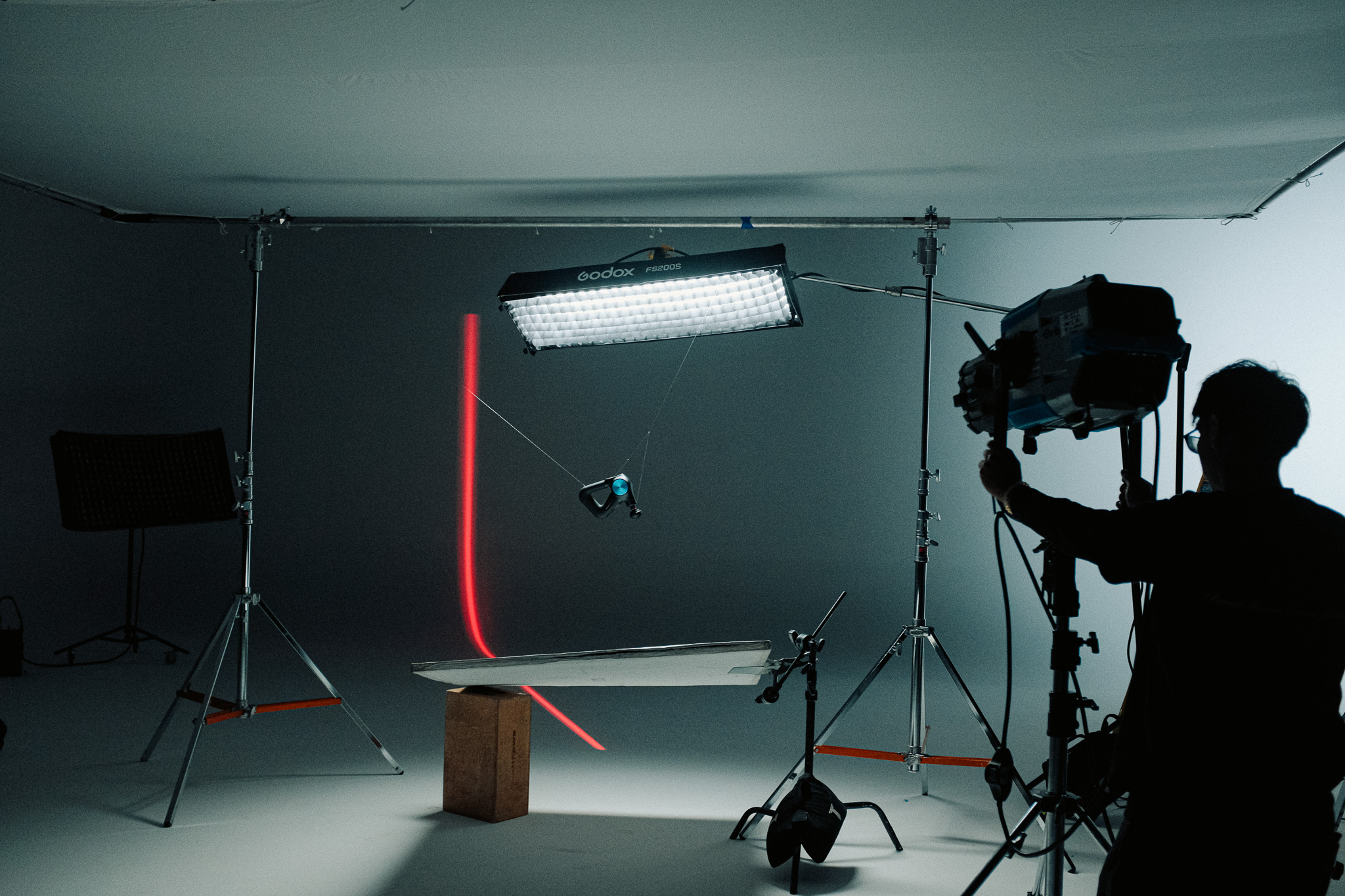
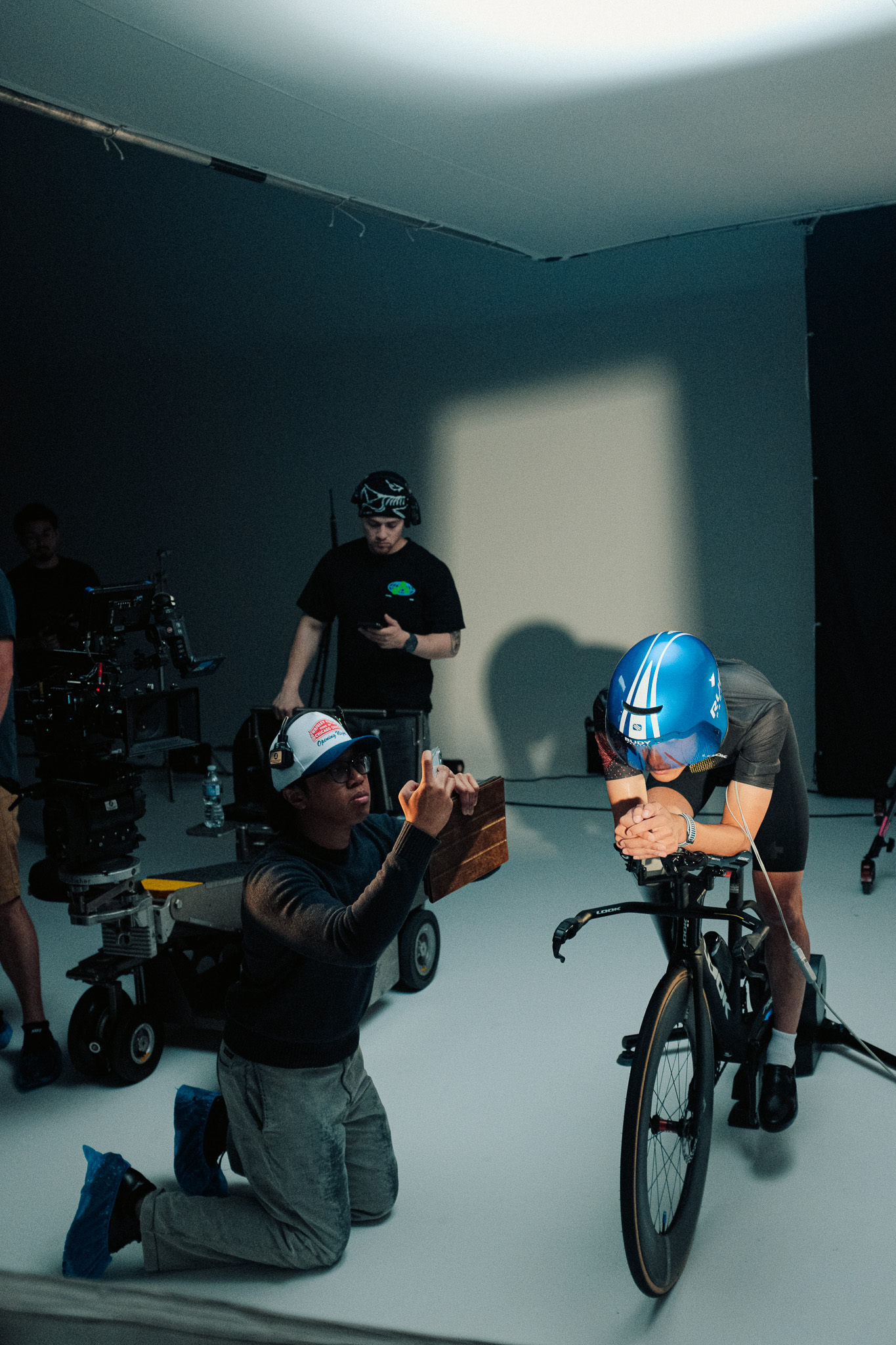
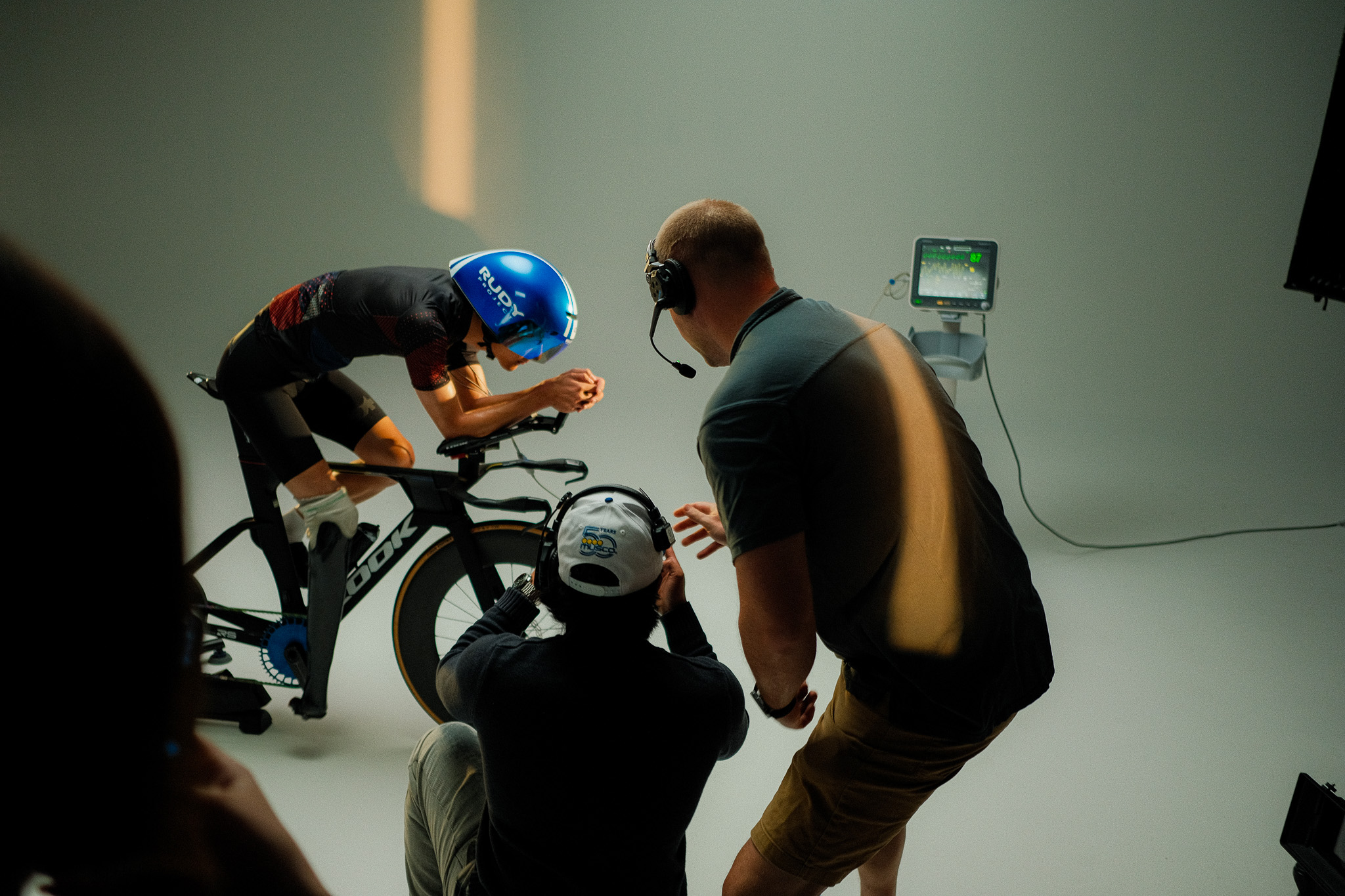
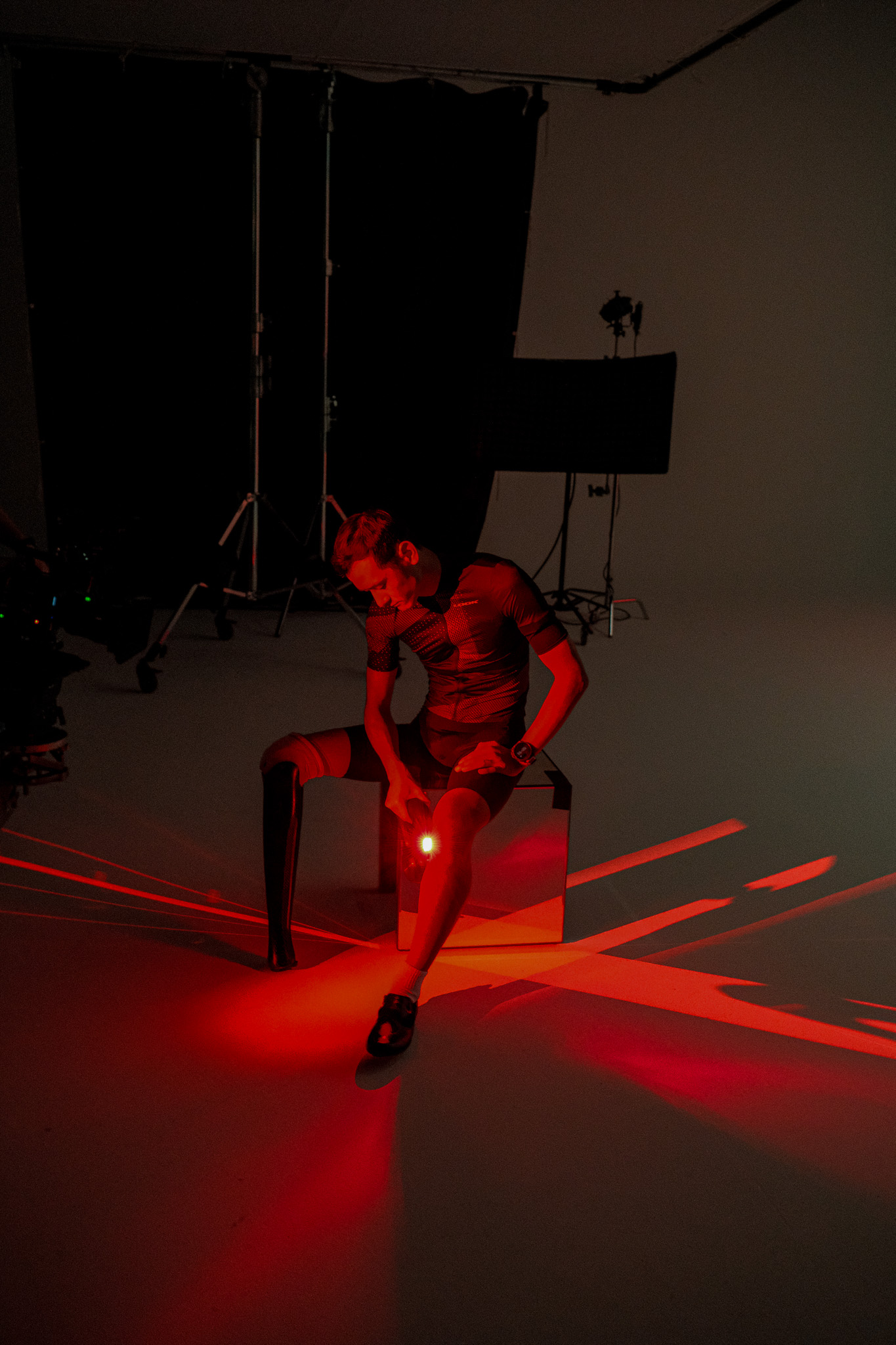
From there, we had to actually build it. Wheel in a treadmill. Wheel in a cycling trainer. Rig the bag for Jordan. It was three setups with three different lighting builds, because the easy version is to light the room once and drop each athlete into the same template, and that version looks like exactly what it is the second you watch it. We wanted each setup to have its own taste.
It was a lot of coordination, and everybody involved was juggling other projects at the same time, so it kept getting solved in fragments. Honestly, it didn't fully come together until the pre-light the day before.
That's the thing I'd underline for anyone doing this. The pre-light day is mandatory on a project like this. It's the only day where nobody is waiting on you, and you can be wrong for an hour without it costing anybody anything. On a paid job, you fight for that day. On a volunteer job, you need it twice as much, because you cannot burn your crew's goodwill figuring out a look while three athletes stand around.
On Set at XVP
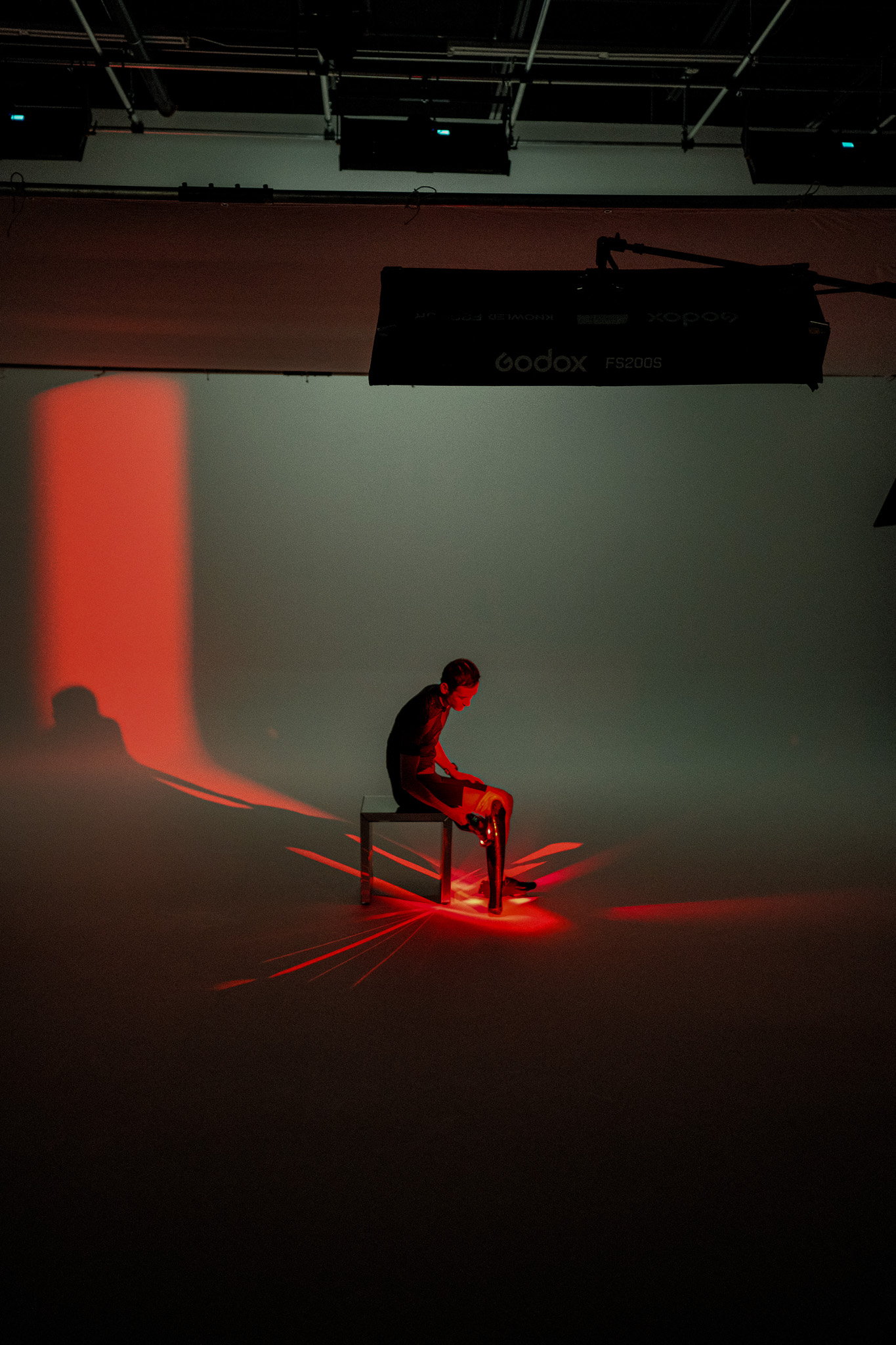
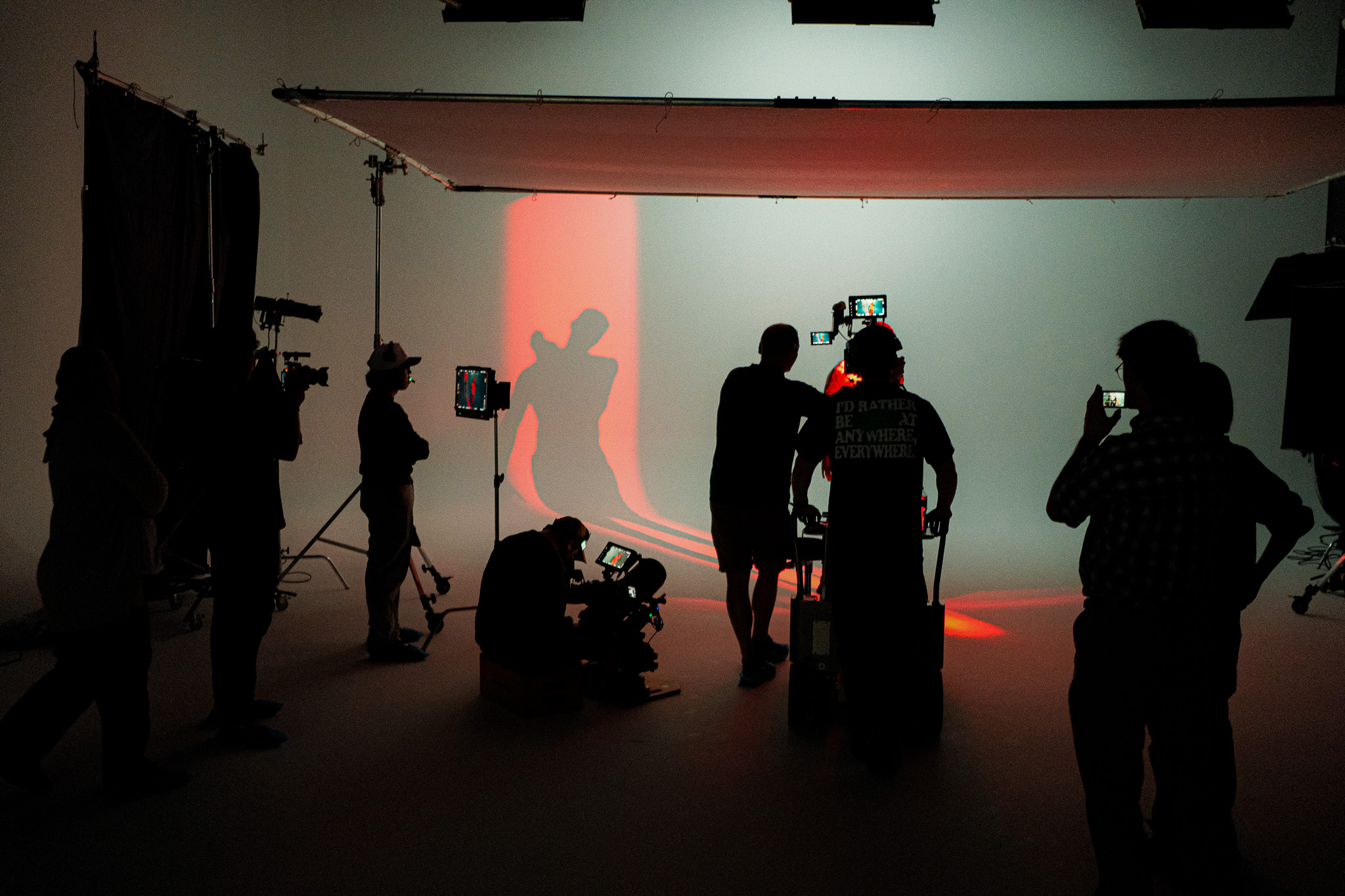
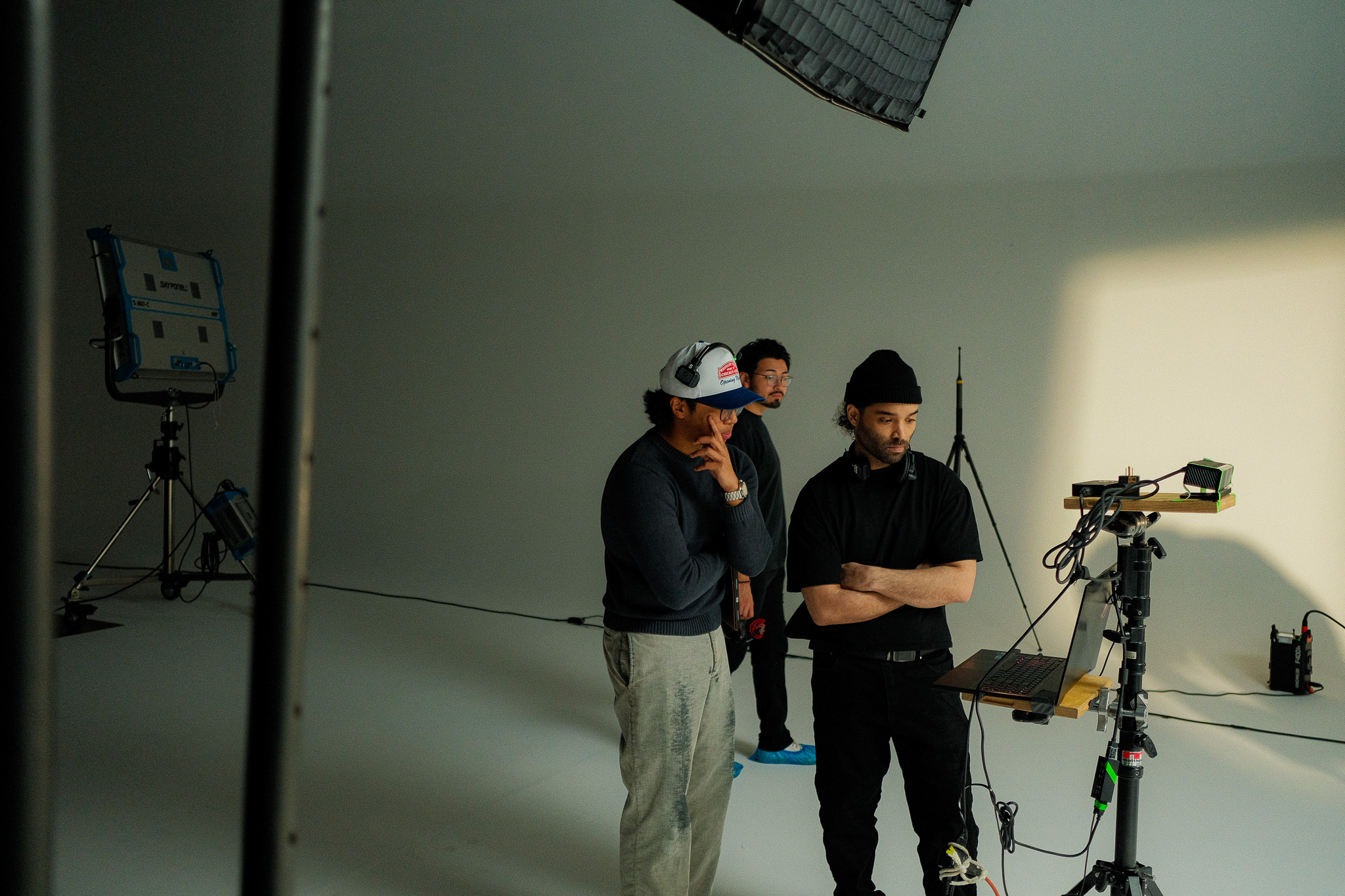
Three setups, pre-light, the room.
Working With Joe and Finding the Look
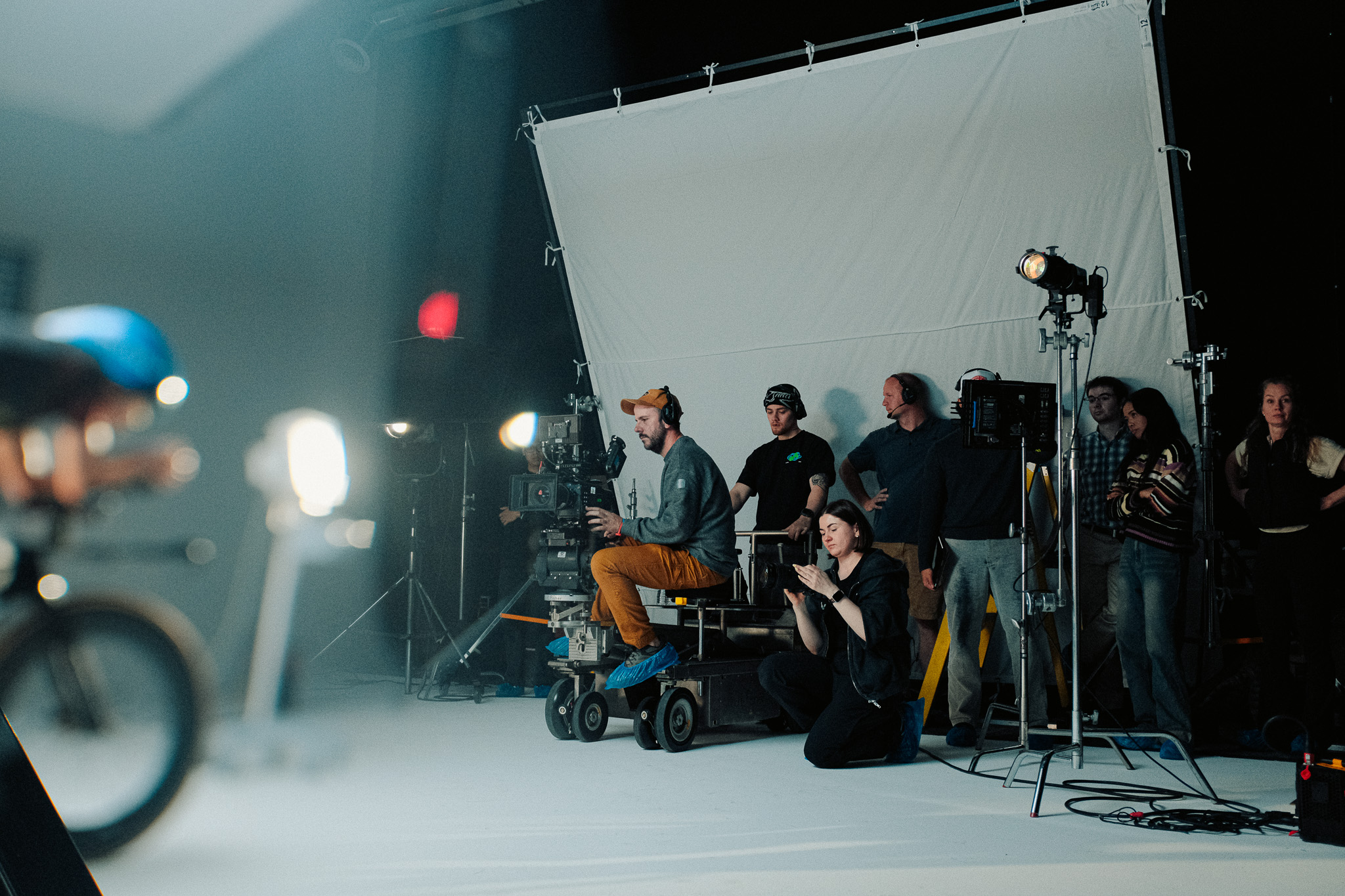
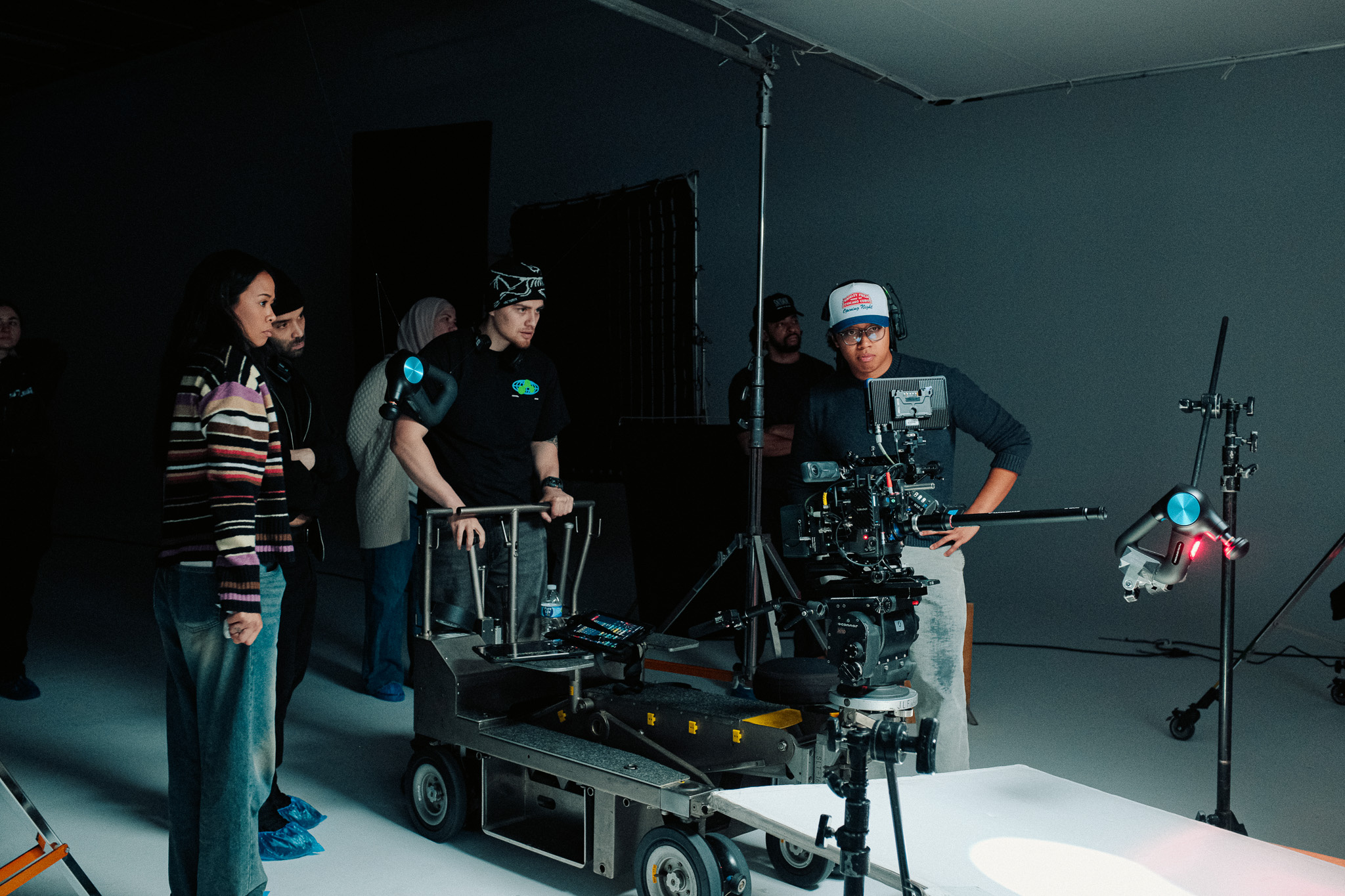
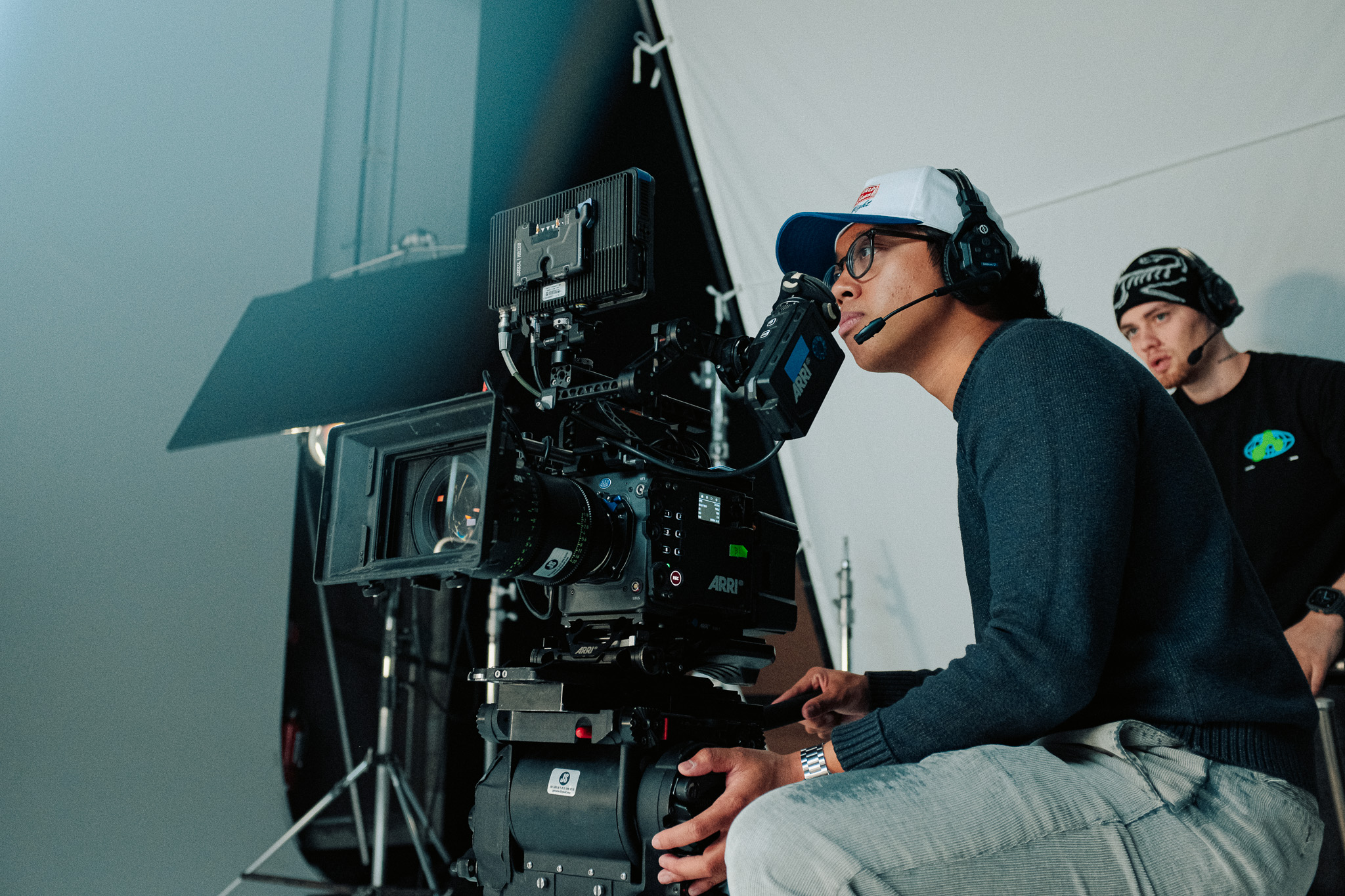
Joe Sailer shot it, and it was our first time working together after years of following each other's work and never quite landing on the same project. He went to Ball State, same as me. I graduated in 2021. We'd been circling each other for a long time.
What made it fun is that we both wanted to go somewhere neither of us usually gets to go.
A lot of Joe's commercial work is beautiful and has this incredibly polished look, but this project lent itself to something darker and grittier. I wanted to lean into the contrast and the texture of the story. Shadows we weren't going to lift in the grade.
So we leaned all the way in, and we pushed each other on movement and setups and looks for the entire shoot. There was a spirit of play on that set that I hadn't felt in a long time.
One thing here for directors. Your first time working with a DP is the worst possible time to also be defending a look to a client. Doing it with no client meant Joe and I got to find our shorthand under zero pressure, and on the next job we do together, I'd like to think we're already three steps ahead.
The Shot I'd Been Carrying for a Year
Before this project existed, I had an image stuck in my head.
A boxer's hand coming toward the bag in extreme slow motion, and at the moment of impact the whole frame detonates into a digital world and carries you somewhere else entirely.
I'd been describing that shot to people for over a year, and we finally made it!
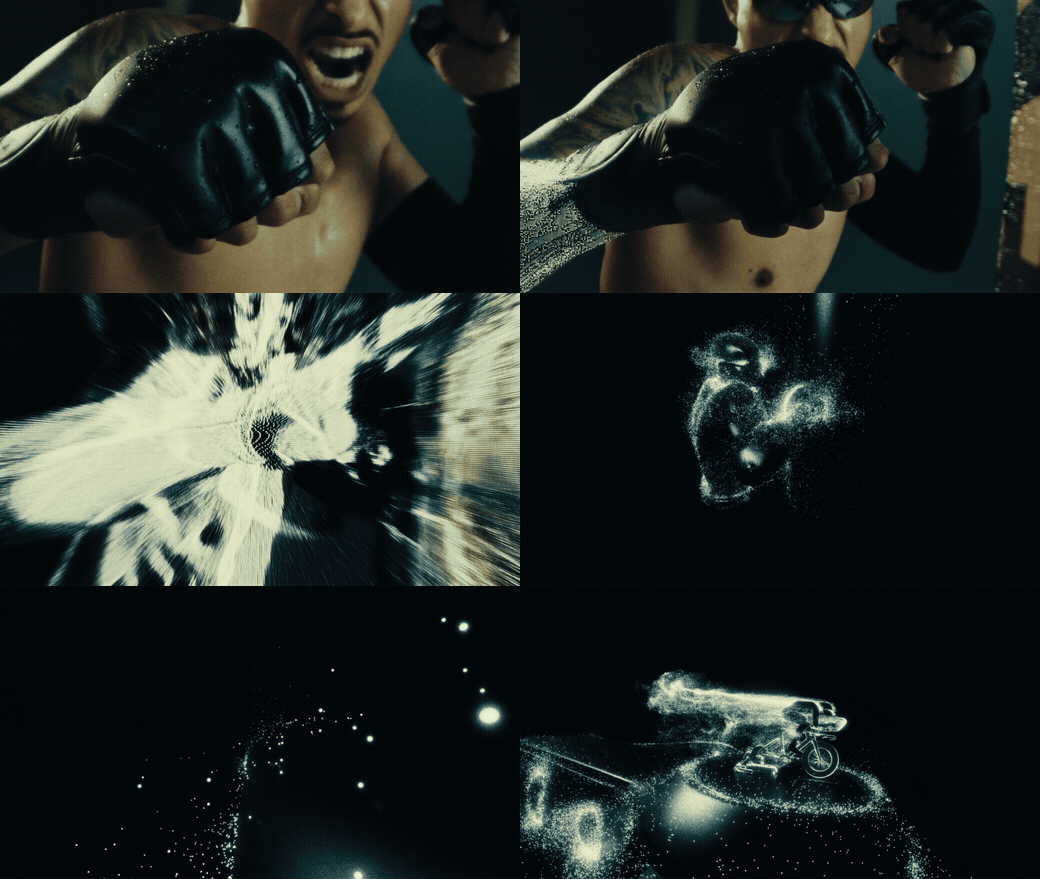
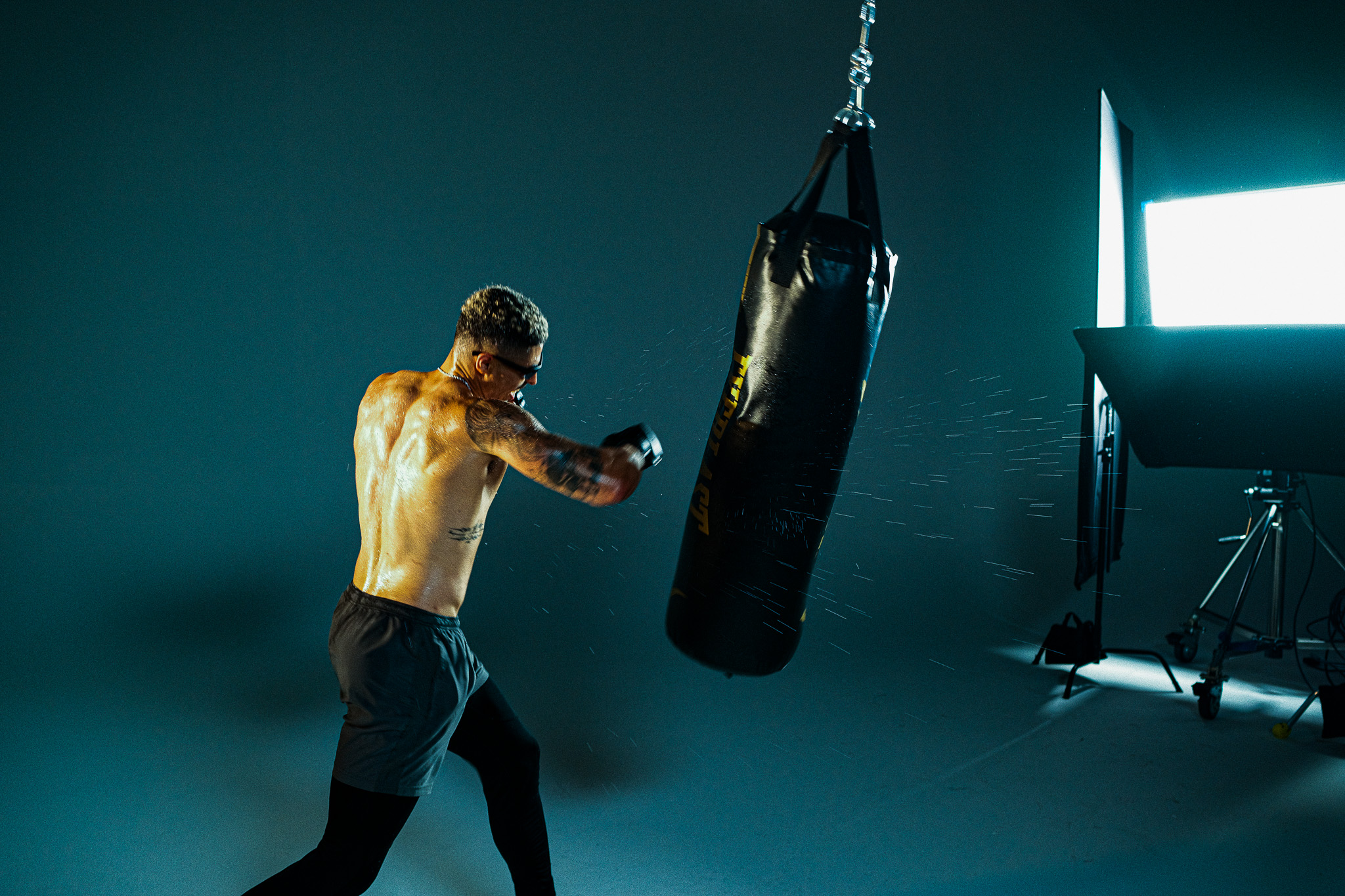
The practical half is our boxer Jordan hooking his arm toward the bag. We shot it on the Alexa 35 with a probe lens at 60 frames, pulling out with the punch, then ramped it further in Resolve.
We originally wanted to shoot it on the Phantom, but because of timing and the lighting setup, we went with the Alexa, knowing there were tools in post-production we could use to stress-test the slow motion. It required a probe lens and a camera we already had access to.
Matteo built the 3D fly-through that takes you off the boxer, moves through the environment, arrives on a Theragun, and lands you on the cyclist right before we cut to Kai for real.
Then another VFX editor, Yash, joined the team a couple of days before we locked the final edit. I'd met him through Nova. He built the pixelation that eats Jordan's arm as it travels toward the bag before dissolving into the data effect.
Practical, VFX, and 3D, stitched into one move and handed between people who never worked the same day.
Now, as much as I want to say this came out exactly 1:1 as I envisioned it, it didn't! I would have loved to spend hours perfecting this shot on the day, but we had to move on. Ultimately, I'm still incredibly proud of what we accomplished, because for a year it existed only as a description, and now it exists as footage. And now that I understand the workflow, I'm far more interested in what we can do with it next than in what we got this time.
The Hero Shot
The punch, the probe lens, and a Theragun on wires.
The Part Nobody Tells You About Volunteer Crews
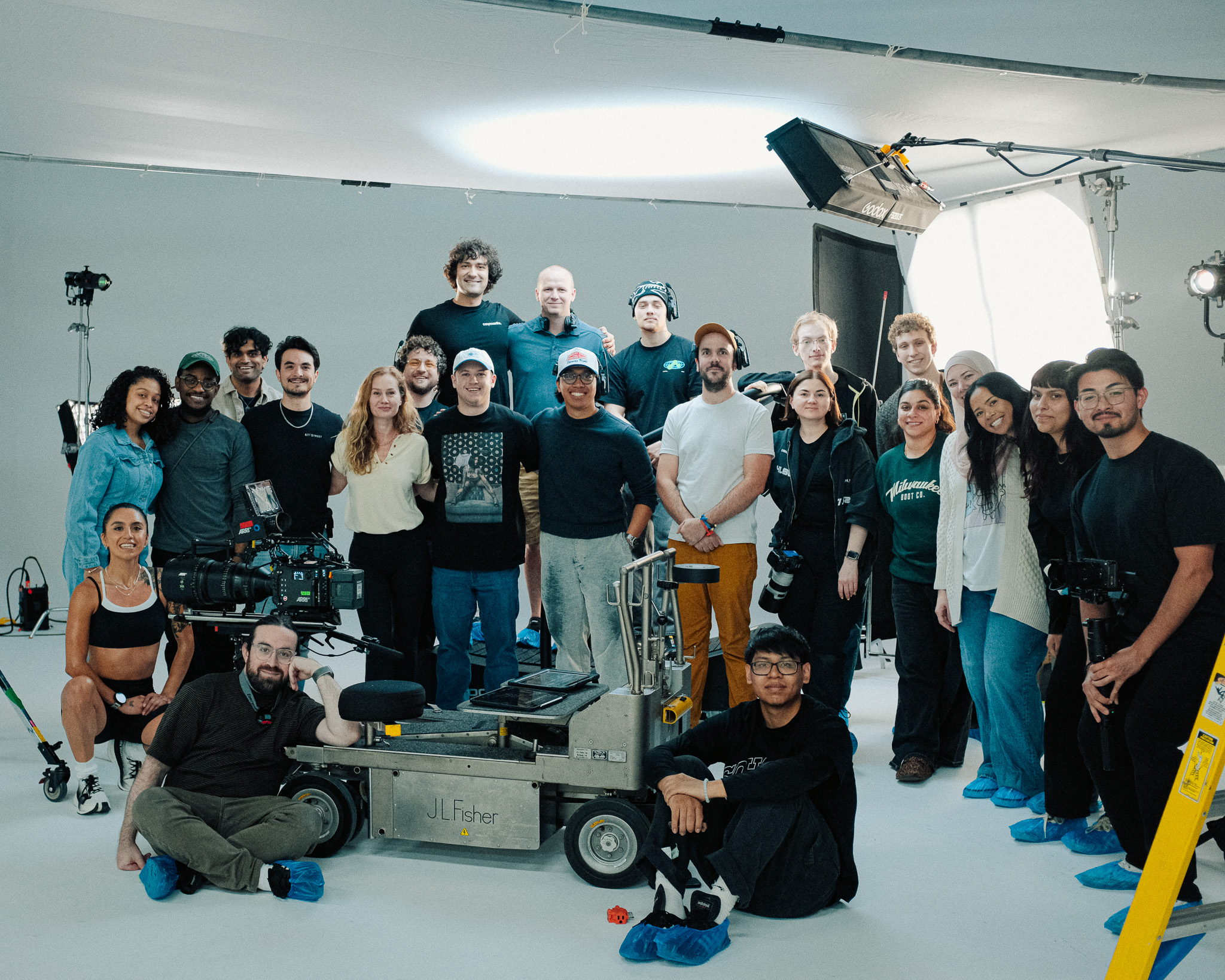
Thirty people drove out from the city to Lincolnshire to work on this.
It started with pitching Armin, who believed in it first. Then Joe. Then it built outward from those two, and people poured real sweat into something with no budget behind it. I don't take that for granted.
I'd like to think the people who showed up wanted to be a part of the idea and to try something new. There's a privilege in doing client work, and it's what we all work toward at the end of the day, but there is something so sweet about creating something and being a part of something for the love of the game!
For people to be as invested in an idea as you are, you have to be so clear about it that you can articulate it in about ninety seconds. From there, it's about being organized so you're not wasting their time or their energy. Armin and I both understood that the moment a volunteer set feels disorganized, you start spending your relationships, and that's a much more expensive currency than money.
Which is why the one-location call mattered so much. We could easily have turned this into a multi-location, multi-day production. Every version of that plan asked more of people who were already giving us everything for free.
The commitment runs for both crew AND talent, and it will surprise you.
Jordan cut weight for this. Nobody asked him to. It was our first time working together, and he wanted to look and feel his best for a project. He told me his philosophy is to say yes because you never know where an opportunity takes you, and then he backed it up.
Lesly ran her heart out on the day and gave it her absolute all, after already training that morning.
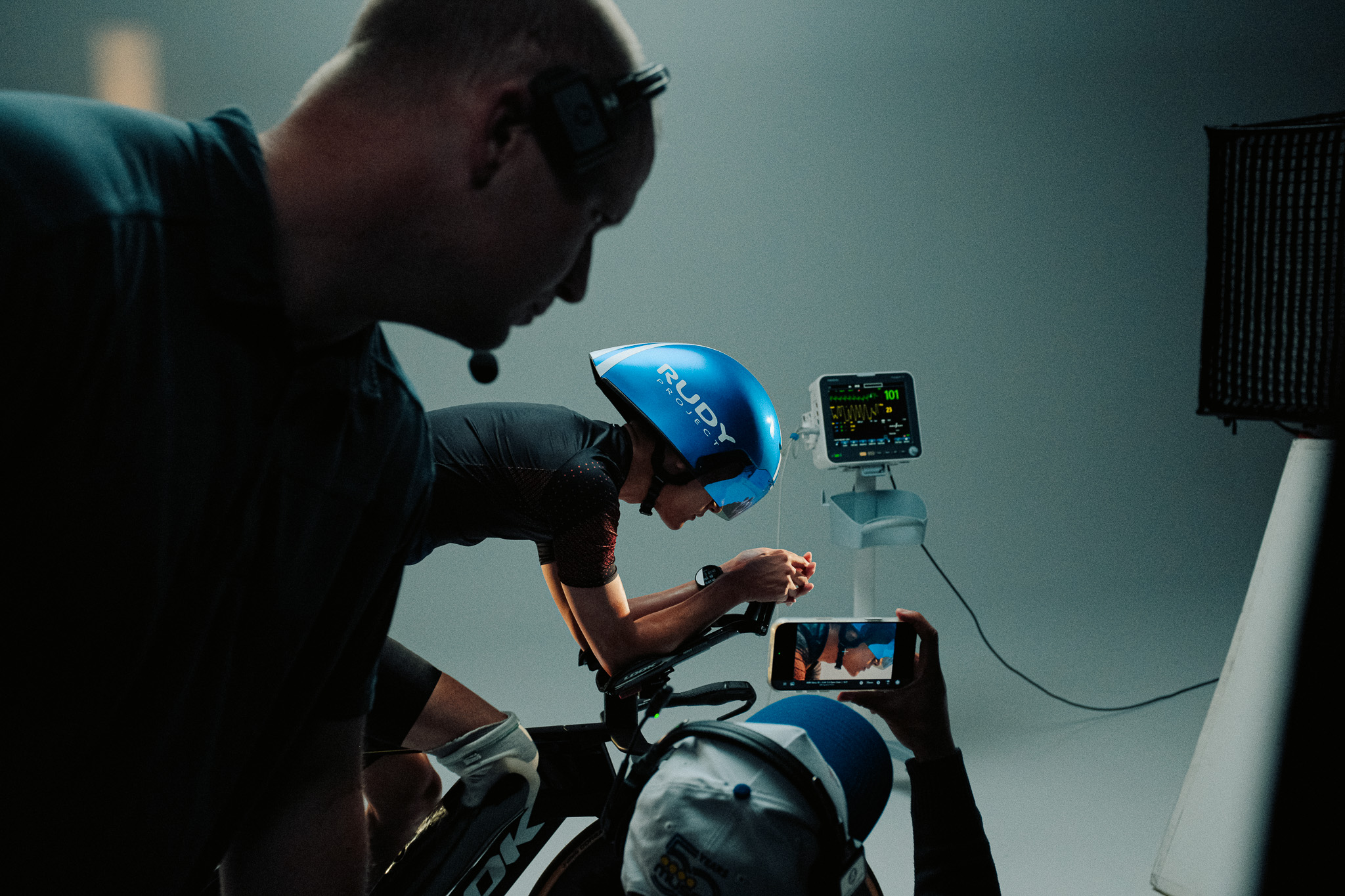
Kai donated his entire cycling setup and trusted us to transport it to the set. He cycled for an hour and a half on camera, then literally rode his bike back into the city.
That level of commitment from athletes I'd just met genuinely surprised me, and it raised the floor for everybody on set.
What I'd Tell You Before You Make One of These
Slow down before you start, which is the joke of it given the subject.
If you're going to pour your own time and money into a film, know what you want out of it on the other side. Ask the questions before you're in too deep to answer them honestly.
Does this position me in front of the brands I actually want to work with? Does it let me execute a style I've been dying to try? Can it do both at once?
Self-initiated almost always means self-funded, so be strategic about it. Make a portfolio piece you're proud of, and then think just as hard about the second half. How does it get distributed? How does it get marketed? How does it get in front of the right eyes? Do you have a list of prospective clients you can actually send it to when it's done? A film nobody sees hasn't positioned you for anything, and I think that's where most self-initiated work quietly dies.
Then go make it. Grab your friends and shoot. If you don't have the community yet, shoot it yourself and build the community out of the doing.
And work inside your real constraints instead of the ones you wish you had. We had one room and one weekend. There is almost always a way to take a complicated idea and simplify the execution without losing the story. Constraints are usually the thing that forces the interesting solution.
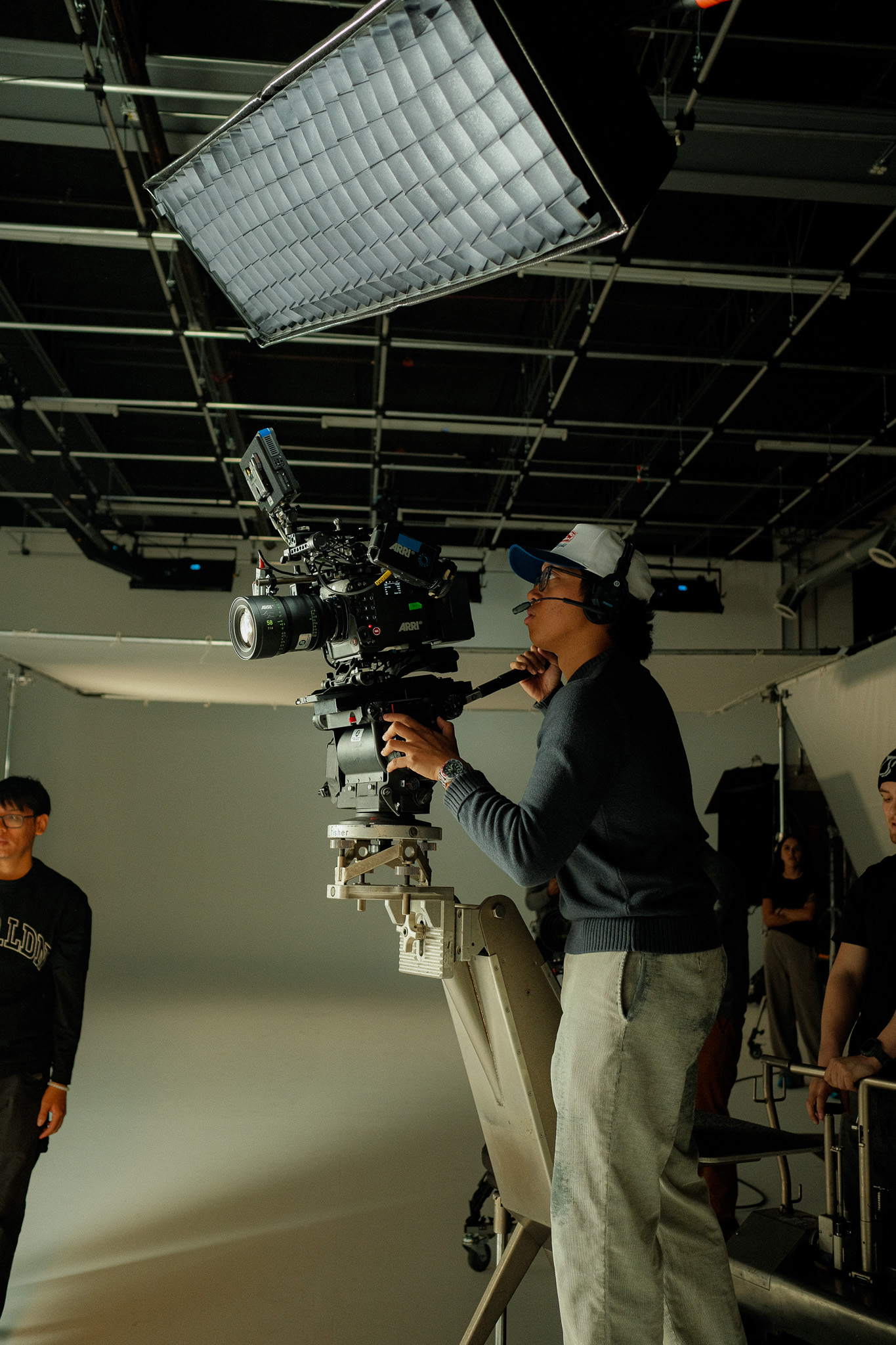
From the Set
What I Actually Learned
I'm a people pleaser.
In agency work, that's been an asset. I'd compromise my own creative instinct to serve the room and the client, and it genuinely served me for a long time. I don't think that's a character flaw, but I knew I needed to lean into my own perspective and my own voice.
I spent a lot of time balancing marketing and sales strategy with artistic creation. This project, and this team, permitted me to just play in a sandbox, and I can't thank Armin, Joe, and the rest of the team enough.
I realized that the thing people hire me for is the specific flavor I bring. You get hired onto a project because of your voice, your perspective, and your read on things. That's the entire product, which means I needed to learn what that is, how to protect it, and be willing to fight for it, in commercial work and in the narrative work I'm moving toward.
Ending Note
You find out two things about making a film like this.
The first is what your voice sounds like when nobody is editing it. The second is who you want in the room next time, which turns out to be the more valuable of the two.
I'm going to work with Joe again. I'm going to work with Armin again. Akshaj, who volunteered his time and energy on this set as a PA, is on a set with me right now on a feature. None of those relationships existed in that shape in January.
What Comes Next
I'm one of the producers on a film called Admissions, alongside producers Elias Ginsberg, Jake Prine, Danni Varenhorst, Jillian Li, Sophie Pelosi, and Olivia Schwartz. The film was written and directed by Aimee Pham and Kai Sampadian.
I'm getting my reps in the narrative space while I keep building commercial work I'm proud of. I'd call myself genre agnostic. I love working in different places and different spaces, because there's always a story worth telling, there's always something to learn, and I just want to make great things with my friends.
Slow Down To Speed Up is something I'm proud of. It was made for Therabody's consideration, and no one commissioned it.
We just made the damn thing.
Chris Vergara was also interviewed by Dylan Hahn of Frame Set about making Slow Down To Speed Up, which you can listen to here.
Watch the film → Slow Down To Speed Up
The Crew
The cast and crew of Slow Down To Speed Up at XVP Studios in Lincolnshire.