
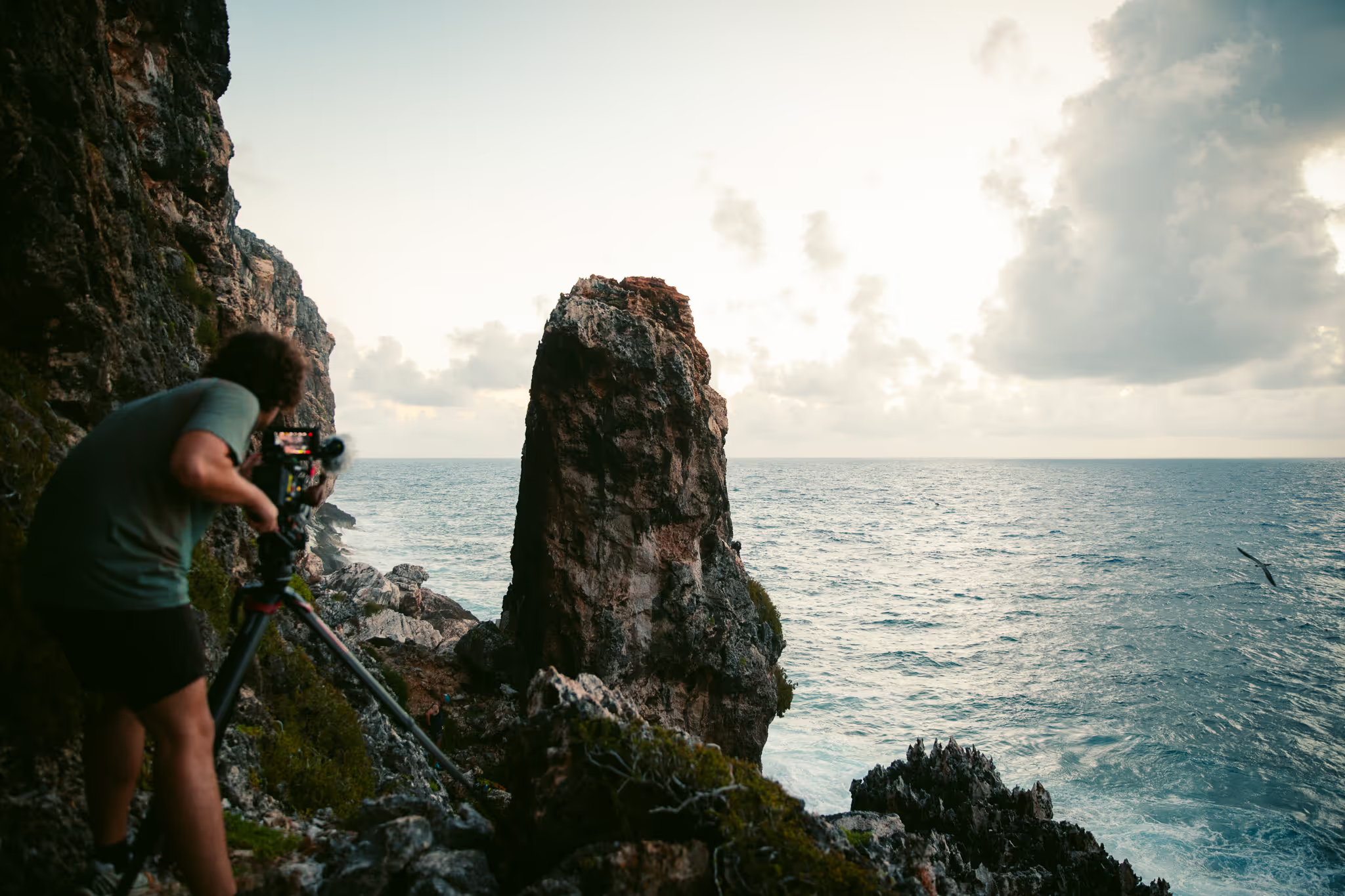
So much hard work went into this film, over two years from idea to completion, that I felt compelled to write a Field Journal entry for the ‘Making of’ this film. Perhaps I’ll inspire some other documentary film directors out there to chase their own story, take the leap, just go for it, even if you don’t know what the end result will be.
In hindsight, I think planning out what you want your film to be, determining total run time, identifing key festivals you want to submit to: these are all really important things to consider before diving into a film. But documentary films are not narrative. You are documenting real life, real people’s stories, in real environments. You can’t possibly know what the total run time of a film will be, even if you think you know it. And to contradict myself in the first paragraph, setting a run time goal for a film and then limiting yourself to that run time, making a film unnecessarily long or too short, can actually hurt your project. Consider this as my thought process behind this film, how the story came to be, what inspired me to pursue it, and why where the film ended up in its finished state is actually pretty much what I envisioned before I even pressed record on Cayman Brac.
Before starting this project, I had never been to Cayman Brac, let alone hear much about it at all. Having been born on Grand Cayman, my parents told me stories about how they had been to Brac more than once in the 90s, but I didn’t know too much about the island or the people that lived there beyond the fact that the population was around 2,000 people, and it was a totally different vibe than Grand Cayman.
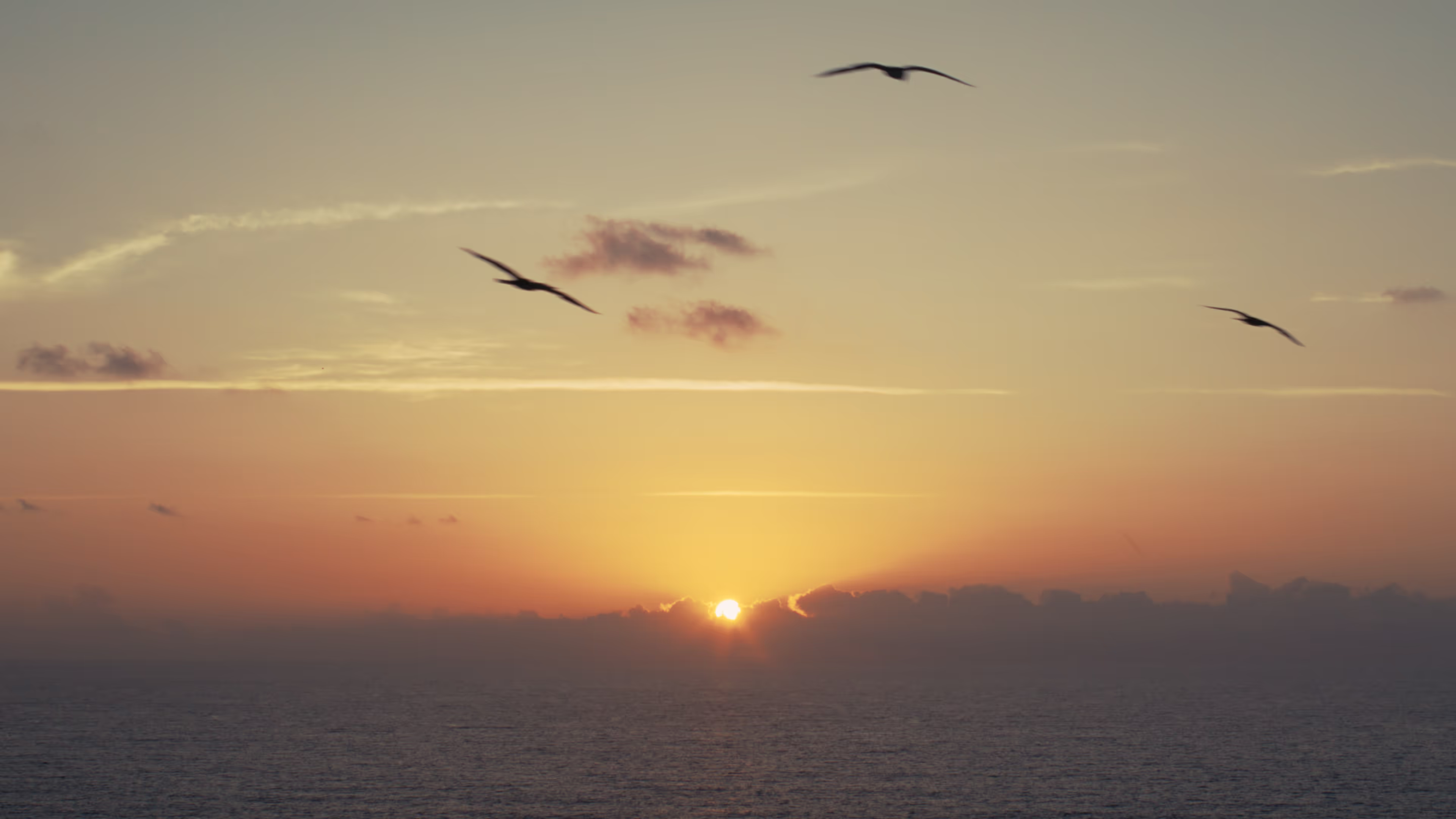
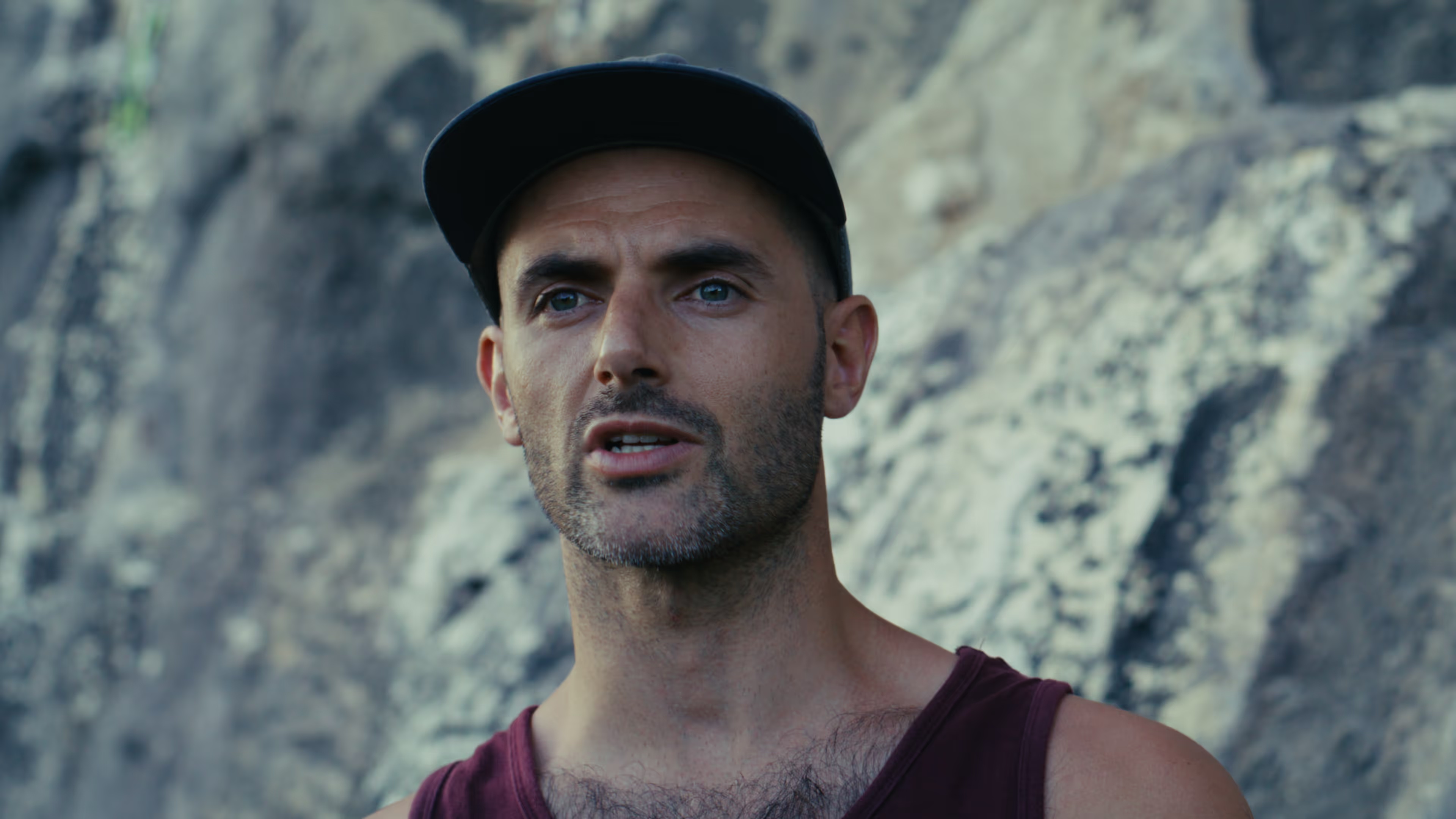
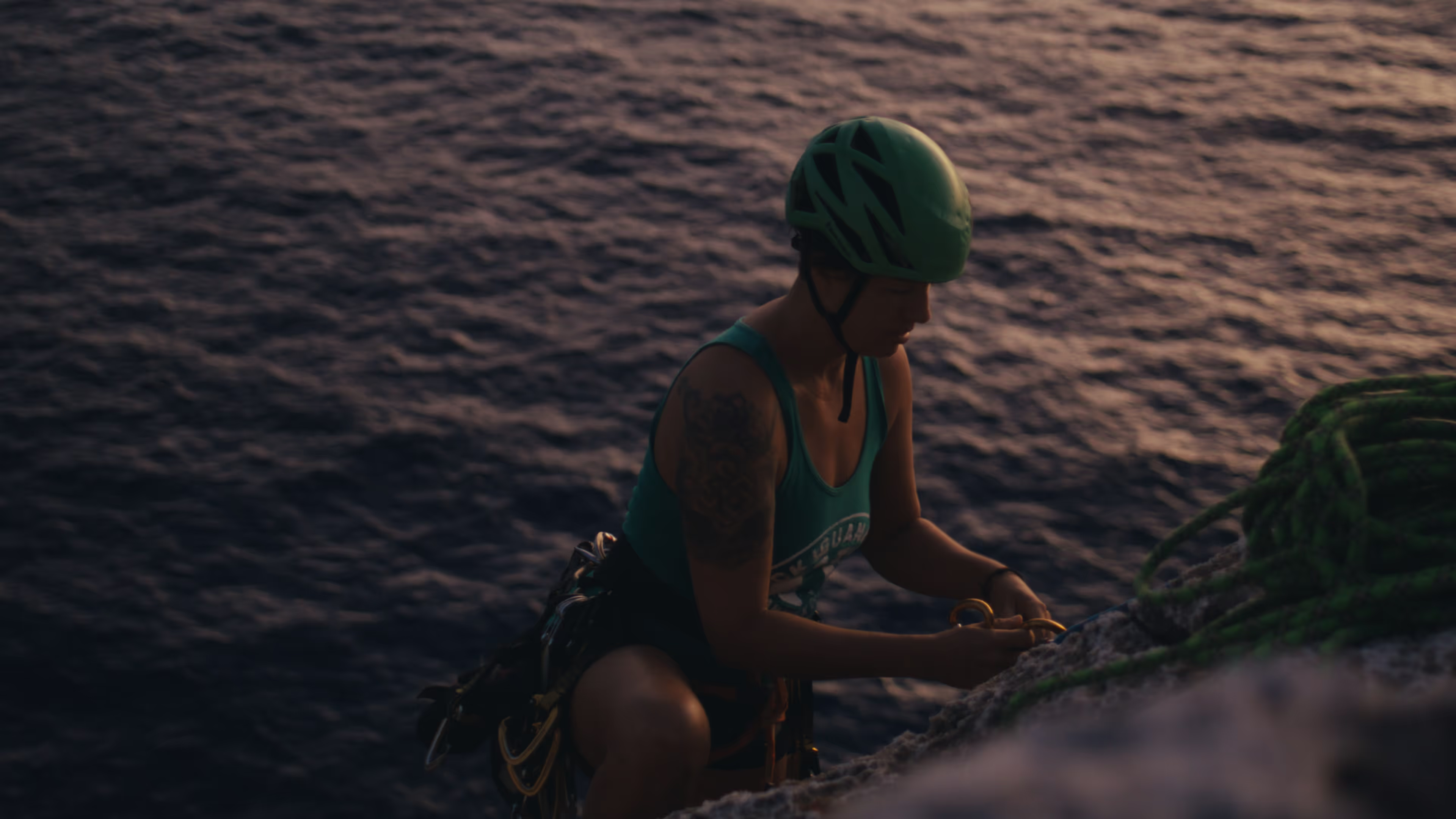
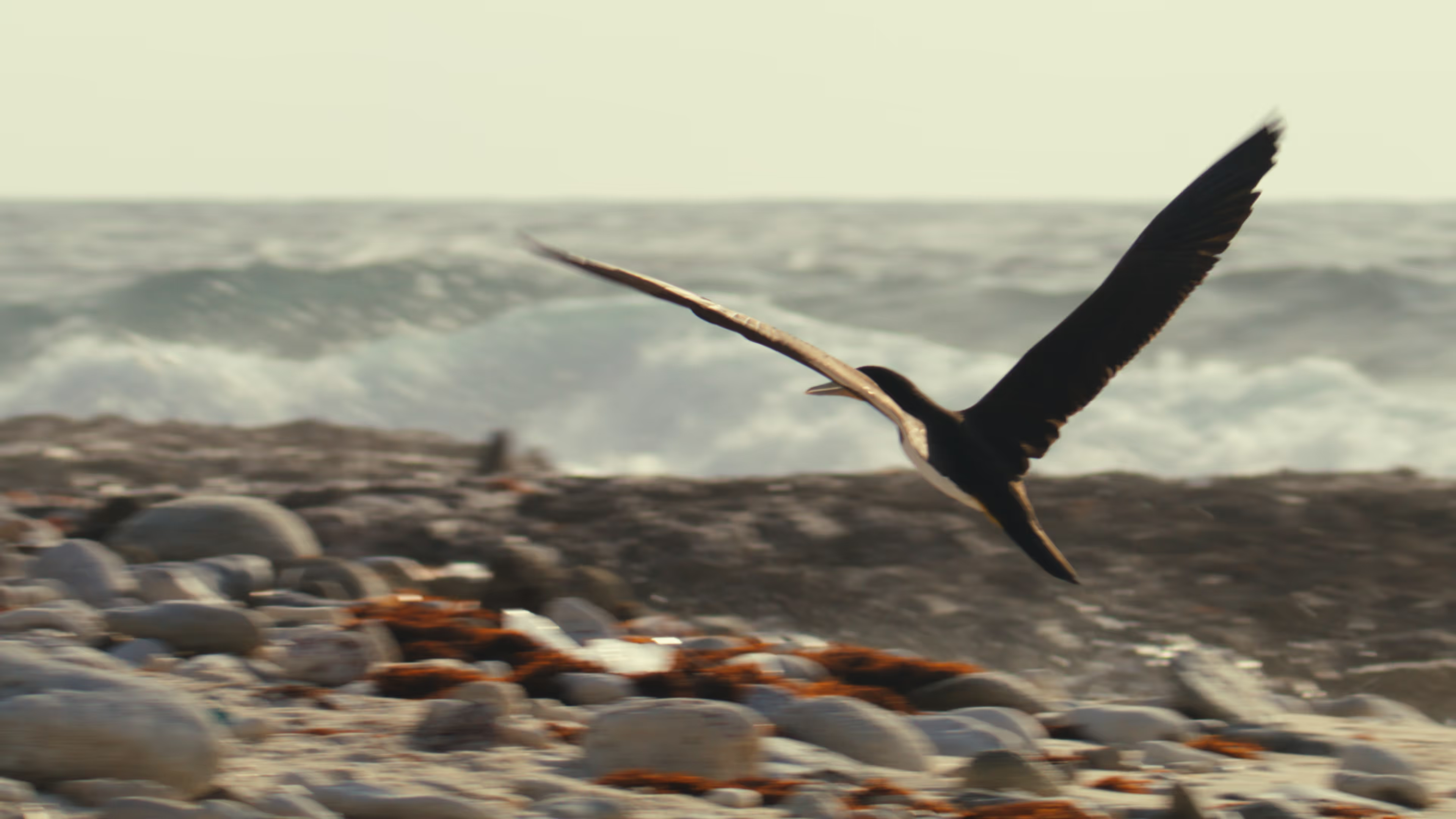
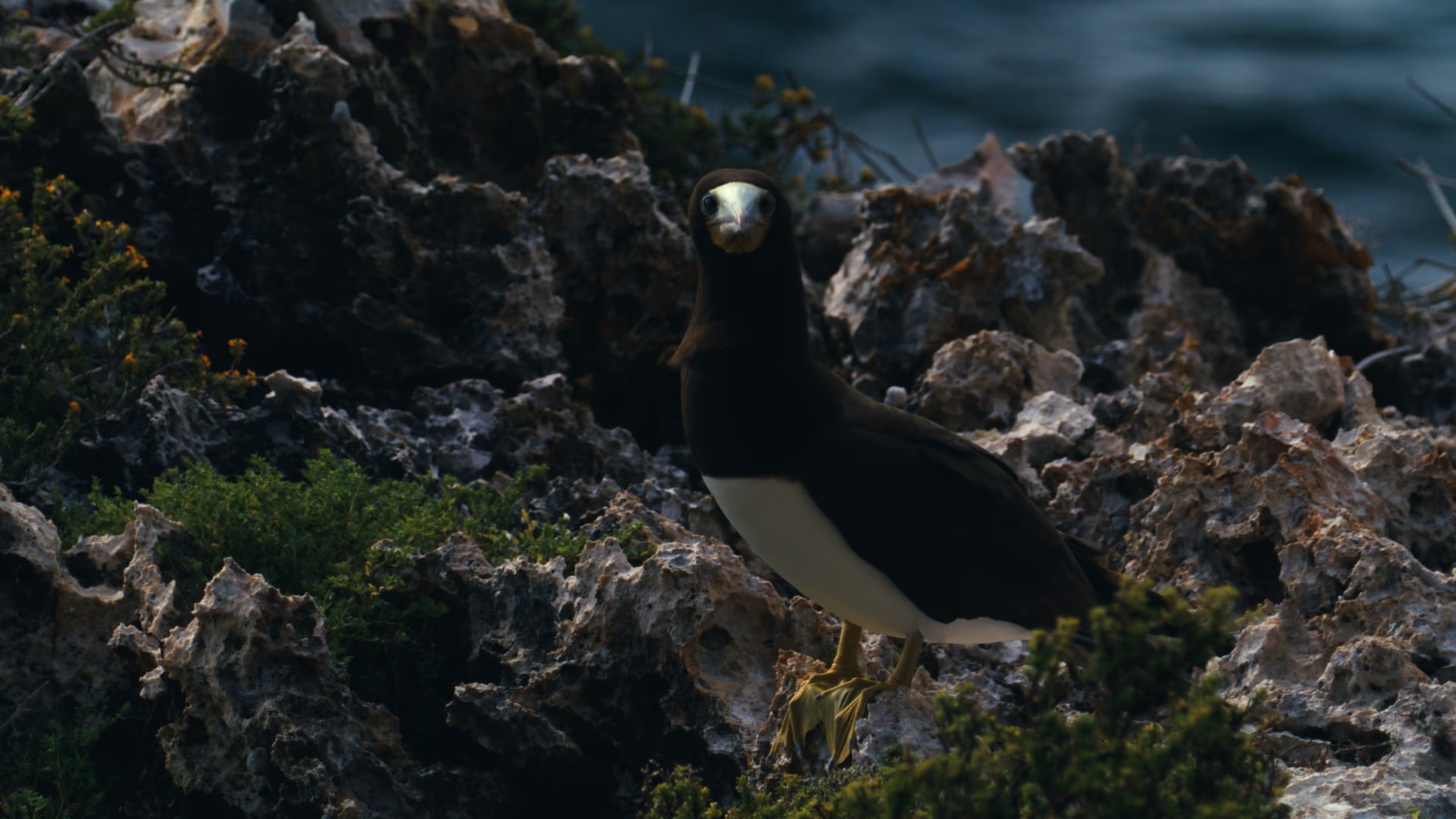
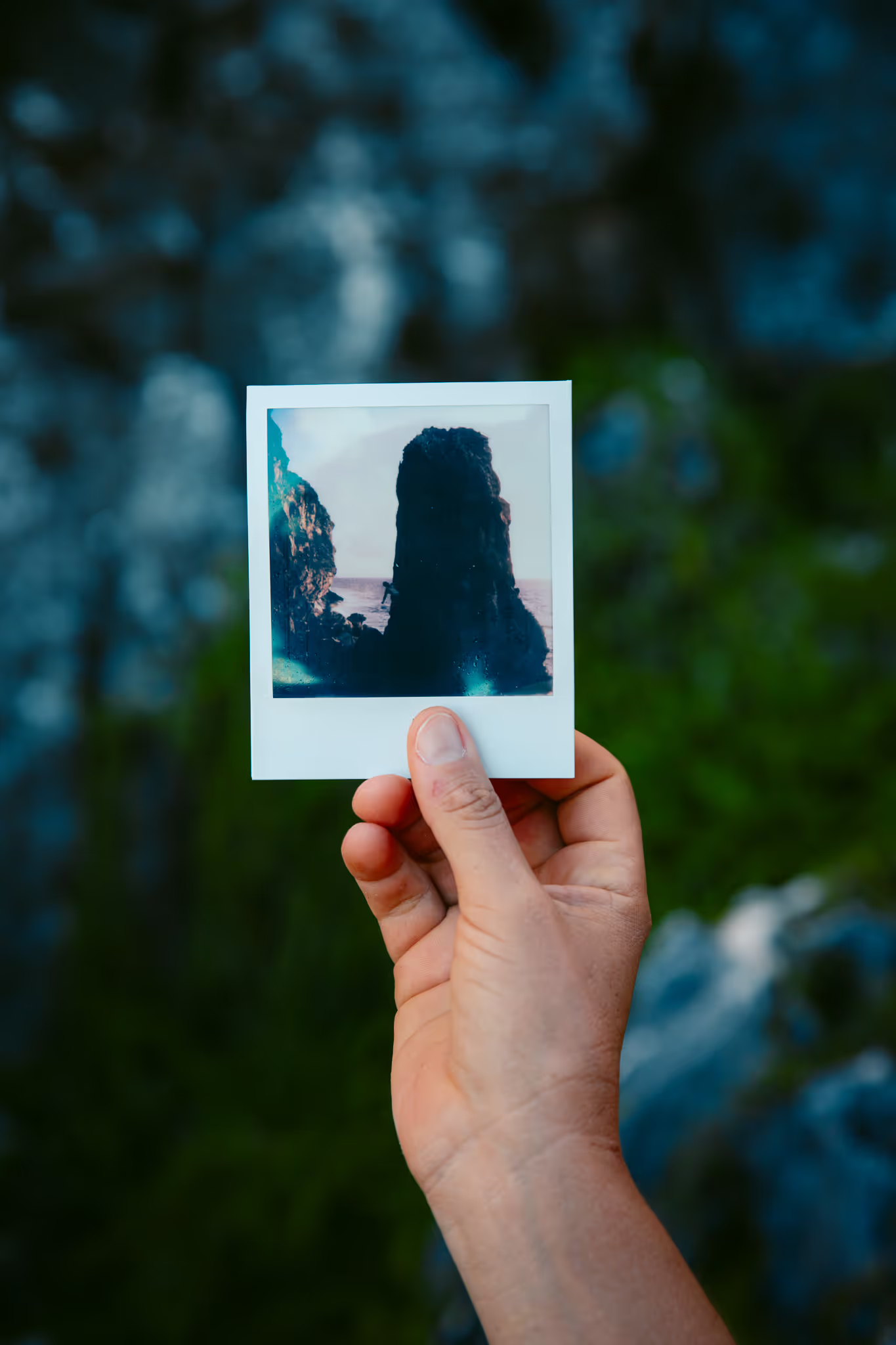
A few frames from the film
Color graded by Clark Griffiths, Bruton Stroube

From a Climbing Video Idea to a Film
I still stay in contact with my parent’s friends' kids who are about my age as much as I can. Though we moved away from Grand Cayman when I was just two years old, we still have many family friends we stay in contact with. One of my friends Lauren, who happened to also interview my father for a school project about ten years ago, picked up rock climbing and we started ideating about some sort of rock climbing YouTube video.
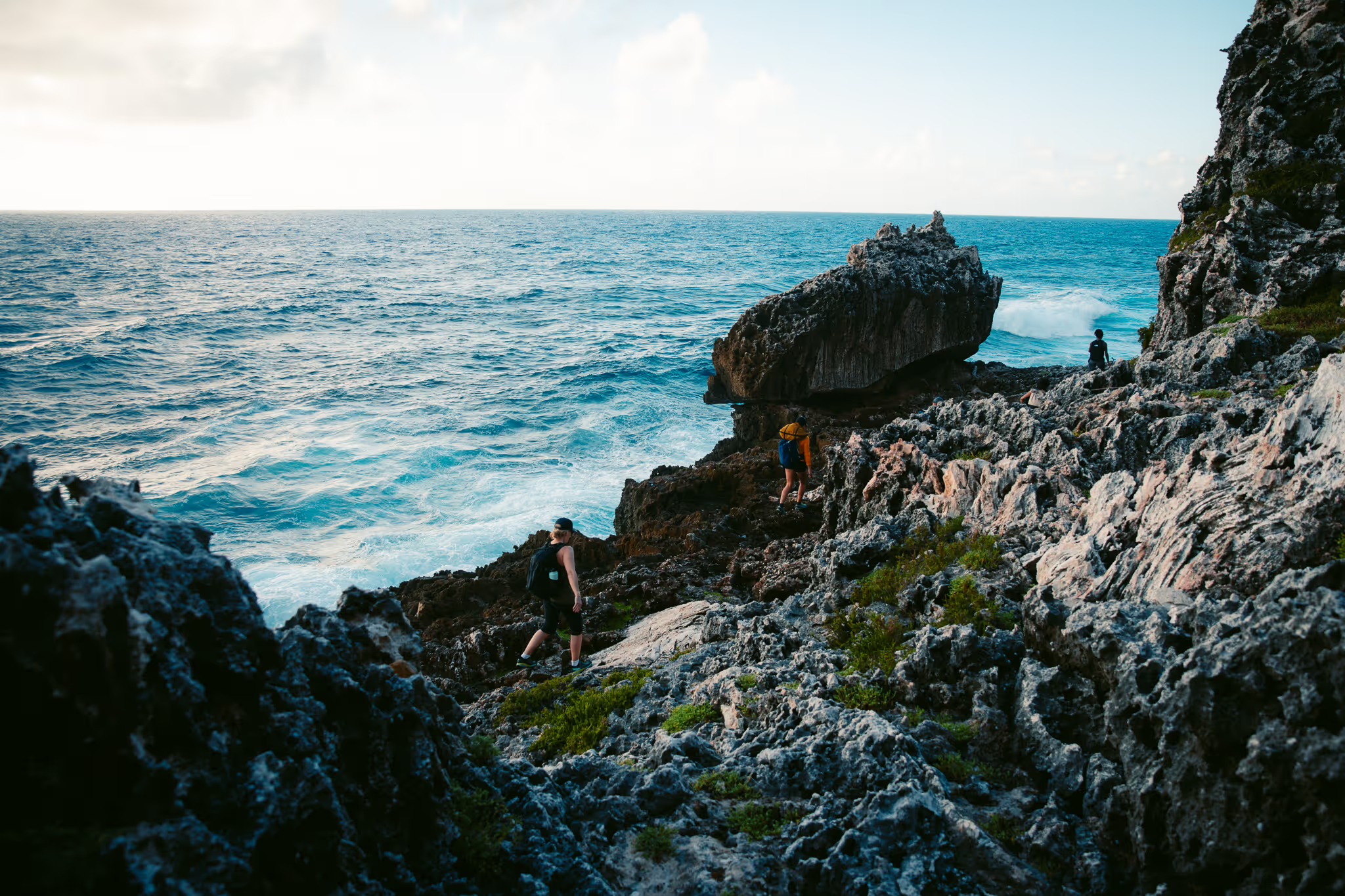
Firstly I asked, “where are you even rock climbing on Grand?”, knowing that the elevation of the entire island is barely above sea level, let alone feature rock faces or cliffs to climb on. Cayman Brac is where climbers fly to, to experience climbing pitches that last over 3 minutes. As she told me more and more about the island, the stories, the issues, the birds, the cats, the story started coming together in my mind. I knew right away, this was more than just a simple climbing YouTube video that we can film for fun. This could be an actual film.


Going In Without a Plan
Going into this project at the beginning, I honestly didn’t plan out much. I knew I had to go to Cayman Brac and uncover the story myself. I knew that there was tension over land rights and access, the rock climbing perspective, and there were endangered birds there called the Brown Booby Bird that could be an interesting angle. Arriving on the island for the first time was an adventure on its own.
How do you even get to Cayman Brac? Luckily, it’s quite easy with Cayman Airways. They have about five flights each day, the aircraft ranging from the massive Boeing 737, to the tiny Twin Otter that only seats 19 passengers with barely enough power to take off. The flight is only about 20 minutes long, and the approach to the airstrip takes you right over Little Cayman, the smallest island home to less than 200 people.
Finding and Filming the Booby Birds
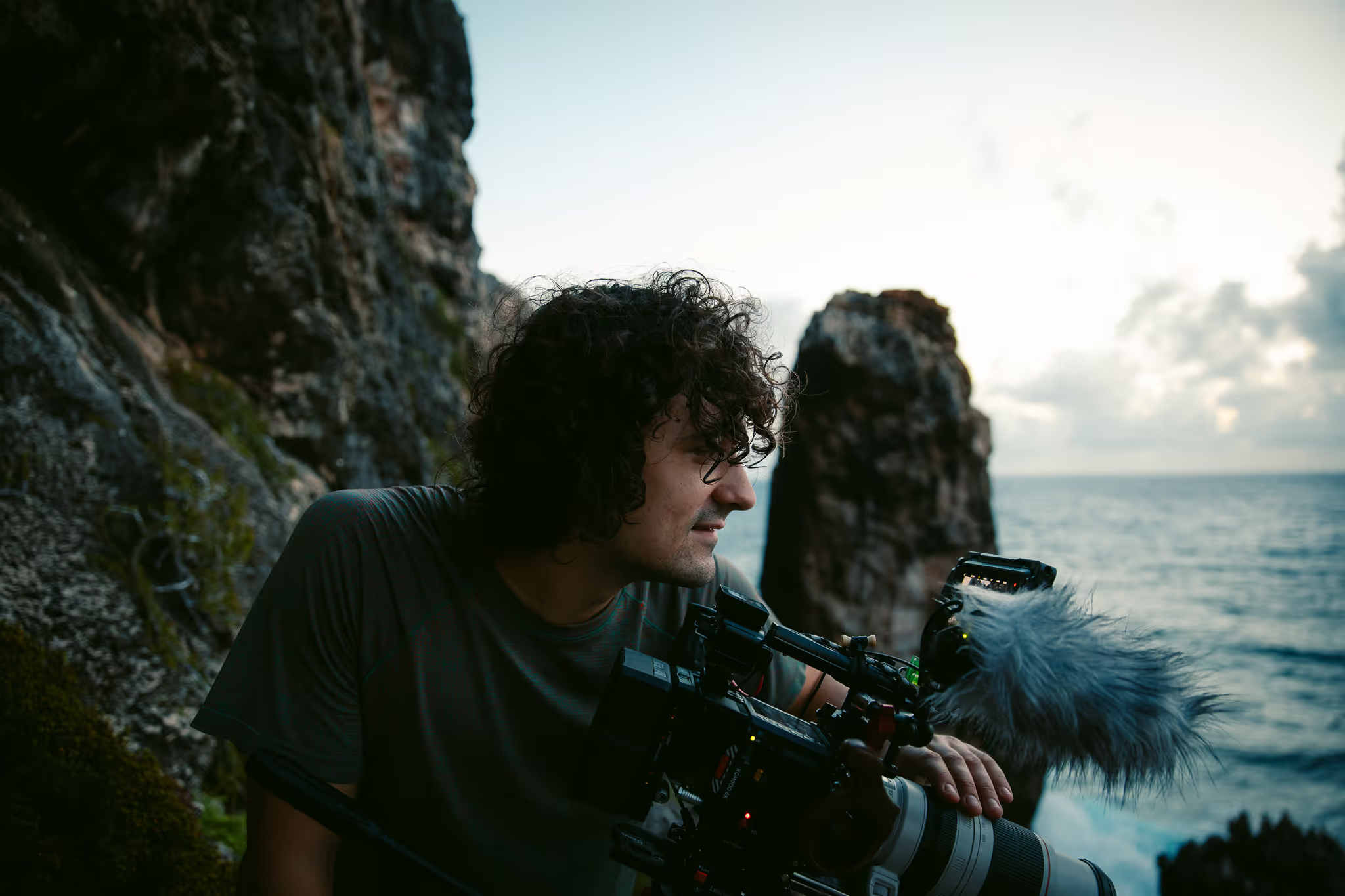
Filming the Brown Booby Birds and finding them, across three separate trips, was one of the highlights of the film for me. I grew up watching documentaries by National Geographic, and watching series like Blue Planet by BBC narrated by David Attenborough. These made a lasting impact on me, and inspired me to pursue this story.
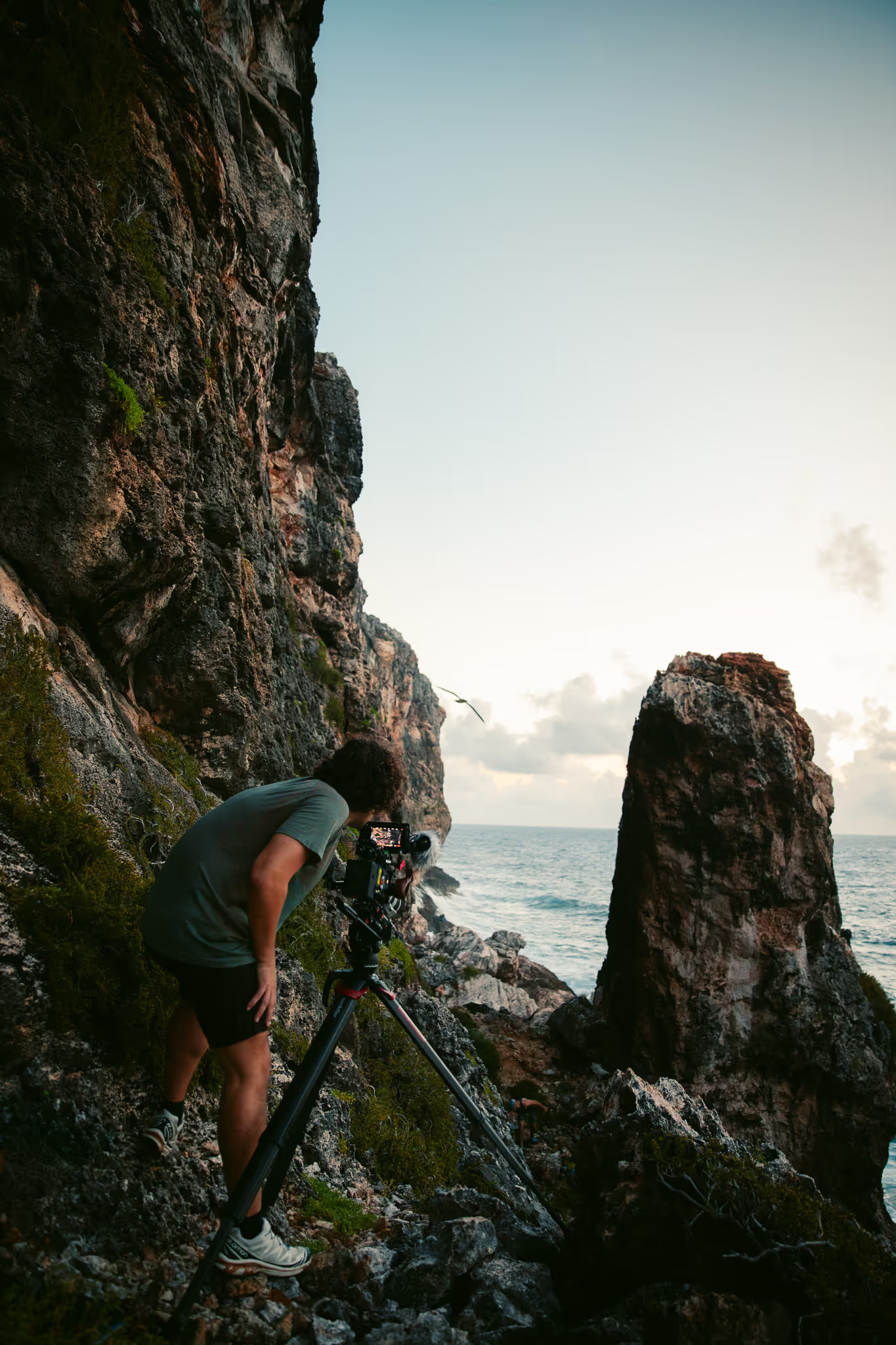
Finding the birds was an adventure in itself, asking researchers and scientists and locals alike, where they nest and what time of year they typically have fledglings. I knew I wanted to capture the birds doing different things, building nests, flying over the sea, mating, and hopefully capture some fledglings too. Filming across the months of November, December and February allowed me to capture everything I needed. Whether filming on the bluff or on the rocky shore, the only thing you can control is the time of day and choosing when and where to film, you can’t control the animals. They are wild animals, and you are entering their world. The last thing I wanted to do was disturb them, and thankfully my filming setup allowed me to be quite far away from them while letting them behave like they normally do.
Also lucky for me, they are very docile birds, and weren’t spooked by me spending time with them. If you have a camera that has a “pre-record” function, you will save terabytes of data and save you time in editing, as it allows the camera to be primed before you hit record, so as soon as you hit record it records 2 seconds into the past. It’s like time travel in a way if you think about it. Very underrated feature that was extremely handy for these scenes. I will speak more about gear later in this post, but for these scenes particularly I filmed everything in 5K 48 fps to capture every movement and allow fleeting moments to have the option to play out longer on screen.
The First Trip and the Reality of
Traveling With Gear
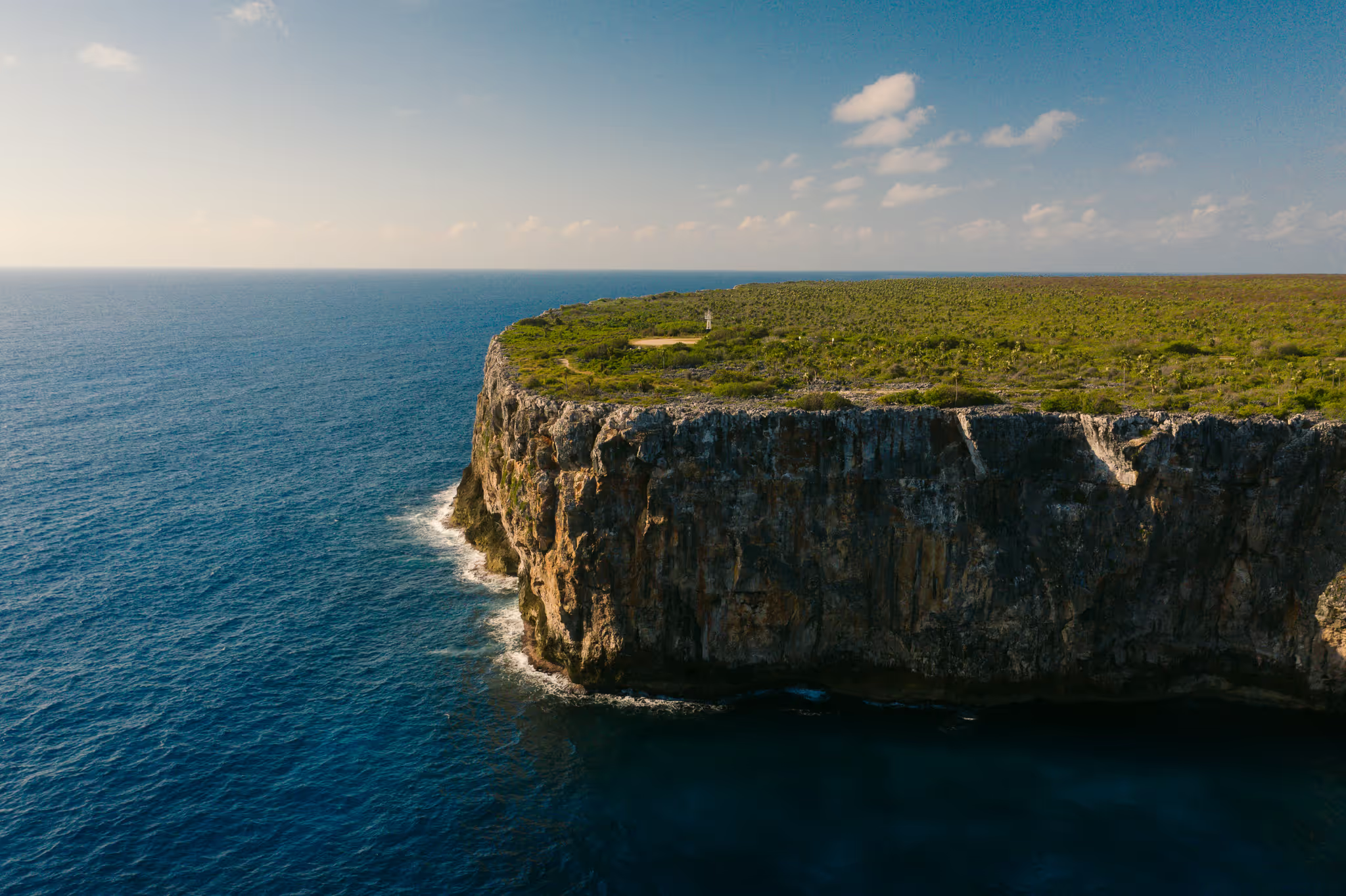
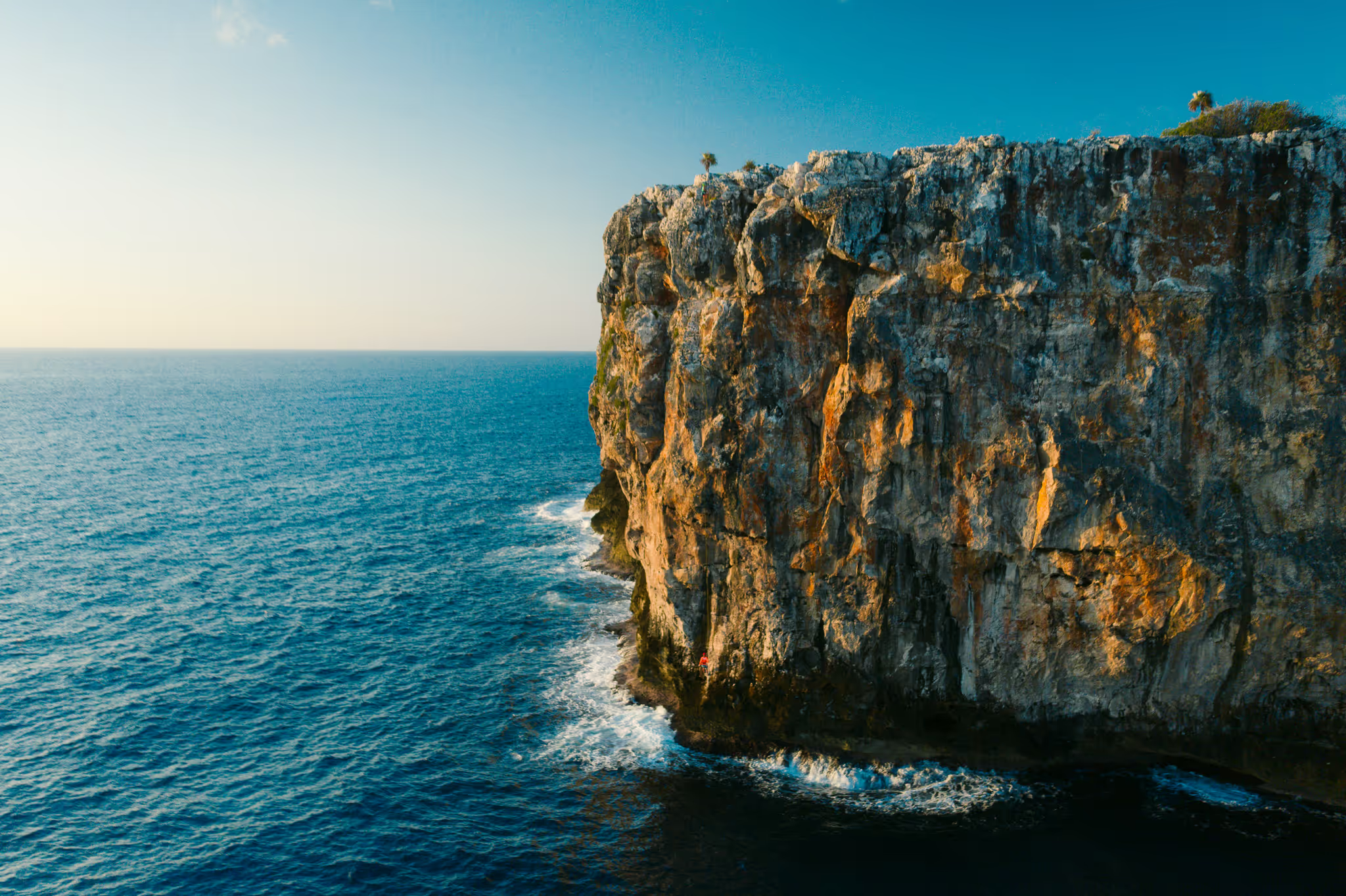
Arriving on Cayman Brac for the first time was spellbinding. The airport is smaller than the size of my high school gym. The average Walmart in the United States could fit probably 5-6 of these airports inside of them. As soon as you step outside, it immediately feels enchanting. From the front door of the airport, you can see the only car rental place and the fire department. The parking lot only fits about 20 cars. Chickens of course wandering all around. The island itself is only 12 miles long and 1.5 miles wide, the west end where the airport is located is quite flat, while the eastern end rises up to The Bluff, a 140ft / 43 meter limestone cliff.
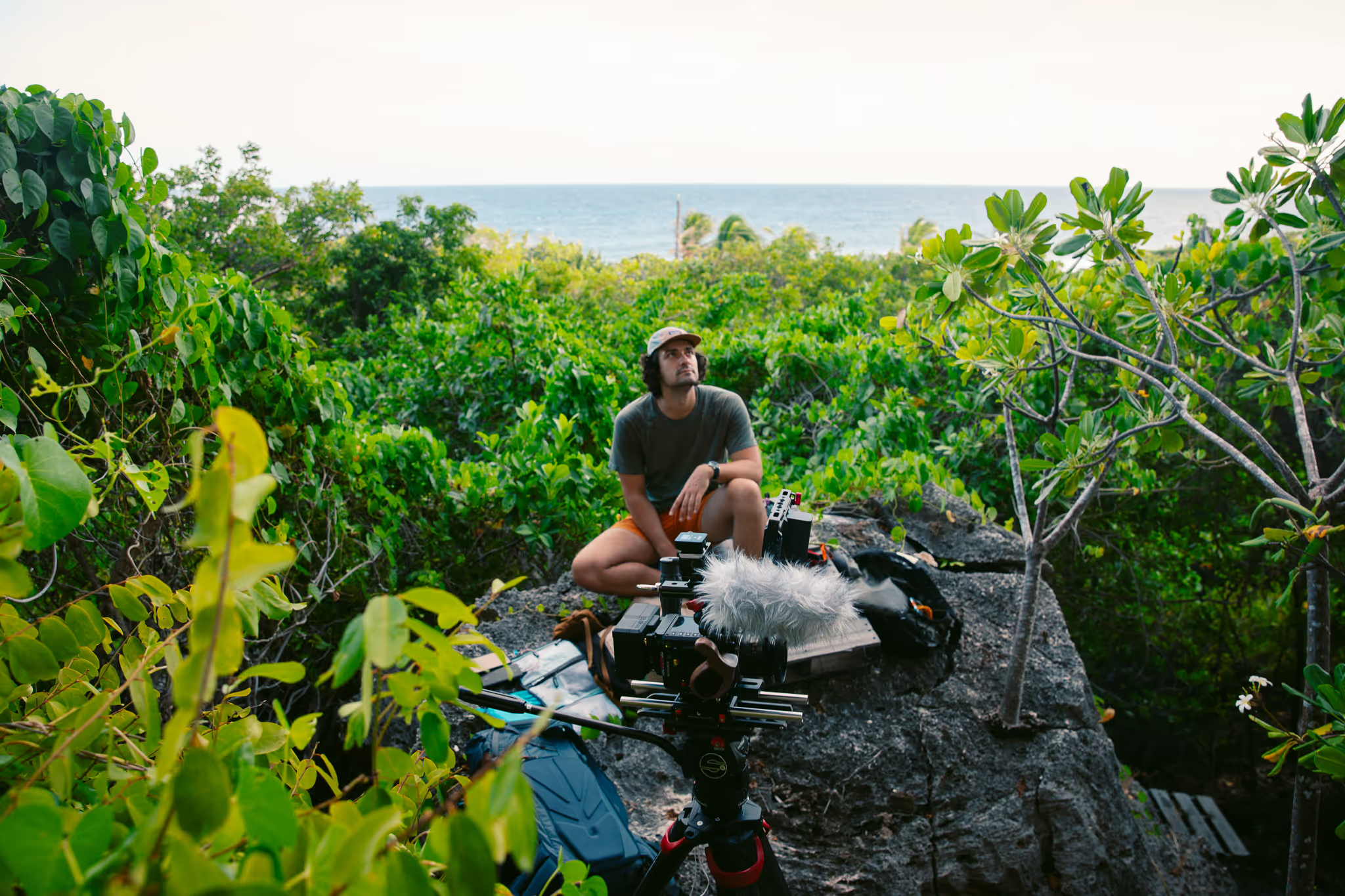
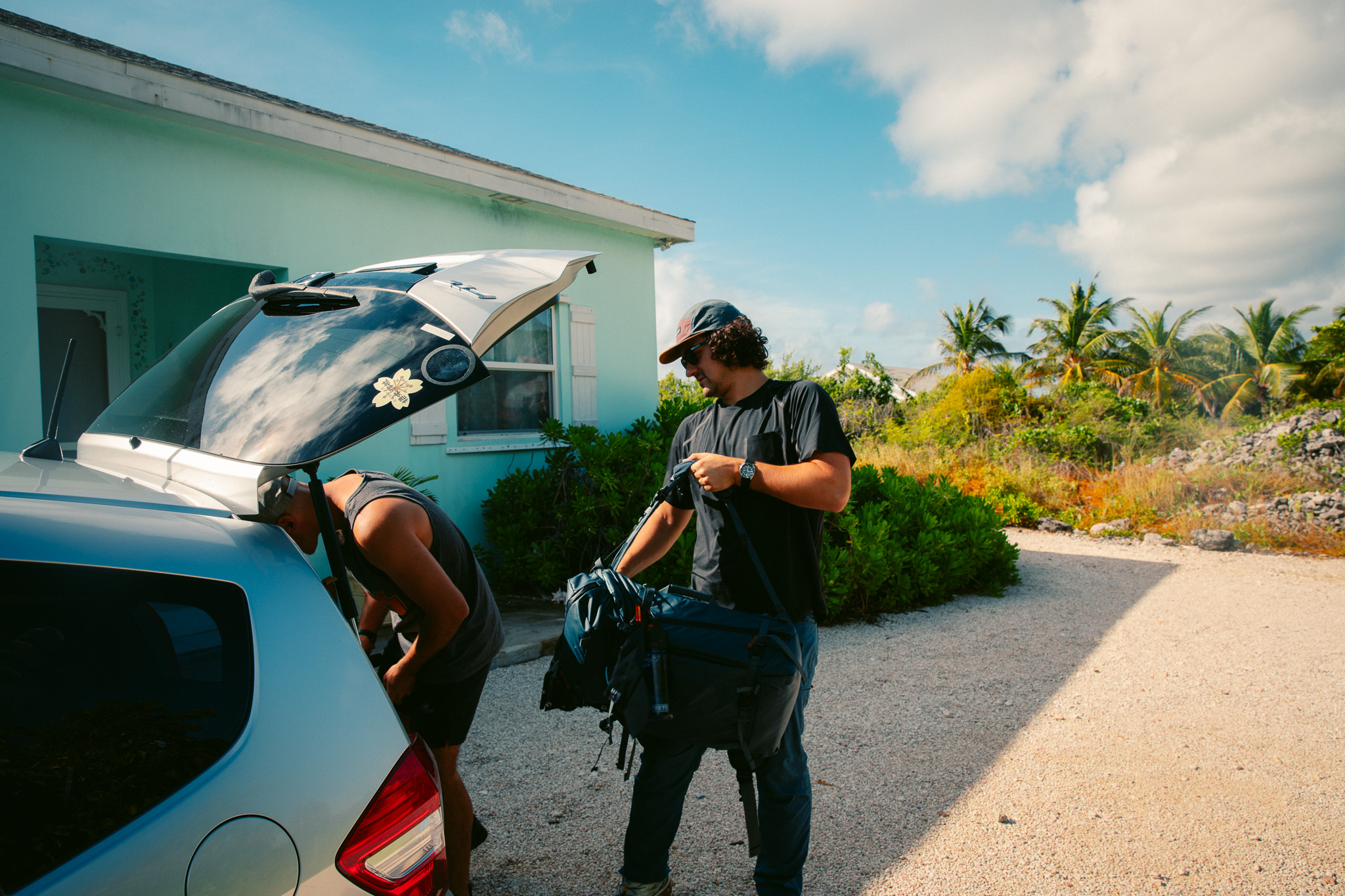
For my first trip there in November of 2023, I learned a lot. Firstly, due to the smaller aircraft, I found out at the gate at 5:30am that the bags can not be over 50 pounds. Not a problem for the average traveler, but after getting used to traveling with my media pass in the States, my bags were typically 65-80 pounds of film gear, not an issue with domestic flights. However, for weight distribution for these small planes, each bag has to meet the 50 pound limit or it can’t fly. I frantically searched for and bought a crappy fabric duffle bag at the airport for $50, and put what I deemed the least fragile of my gear into a bag with no padding. Equivalent to a heart attack, if you’ve never had to do something like this before. Luckily, all of the gear made it in one piece, no damage.
The Importance of Talking the Film Through
This film took me three different trips to finish, to conduct all of the necessary interviews, film the birds, and get b-roll of all of the locations I knew would be featured in the film. As each trip took shape, I had a better and better idea of what the storyline would be, who would be necessary to construct that storyline, and by the third trip it became evident what was still missing. I think as a director, you must review footage, read through transcripts and really keep track of what you have and what you are still missing. Especially when the location you are filming in is hard to access, costly, and difficult to get access to people.
Don’t get me wrong, on the third trip I called my then girlfriend (now Fiance) Adriana in a panic, “What if I don’t have everything? What if I missed that one sentence in an interview that will prevent me from piecing together this story? What if I need one more perspective for the narrative to work? What if I’m missing b-roll that I can’t get?”. Though she is not a filmmaker, she has an awe-inspiring ability to really dissect the root cause of problems, understand a story, and has this spectacular ability to see outside of the box. She really helped me lay out what I have, what I’m missing, and let me focus on what I still needed to do with just 1 day left on the island. We had only been dating about 2 months at this point.
These moments are so important, especially when you are filming solo. You must have someone you trust who you can vent to and talk through your film with. I knew I had plenty of footage of the Booby Birds, rock climbing, and island b-roll. What I didn’t have was the last few sentences to piece together the narrative of the film, the fabric was there, I just needed that one last thread to tie it all together. Lay out your selects, your timeline, your highlights, transcribe your interviews, and digest it every night to understand what you have. The worst thing you can do is not know everything you got, and get too much of one thing and not enough of the other. Put your film in the best position possible by having the story planned out, it will make your editor happy and will make you happier when the film actually comes out as you hoped.
Learning How to Climb
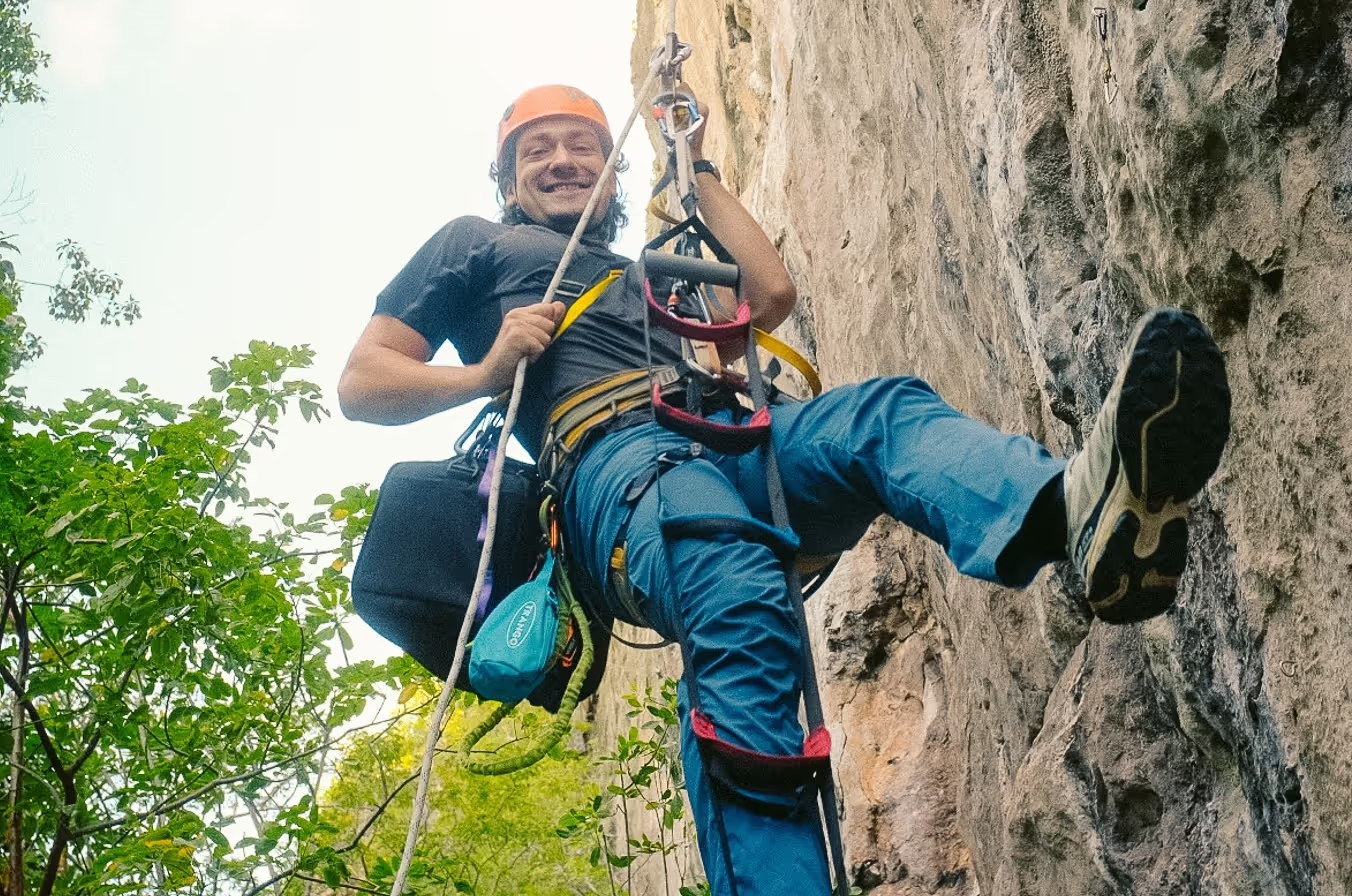
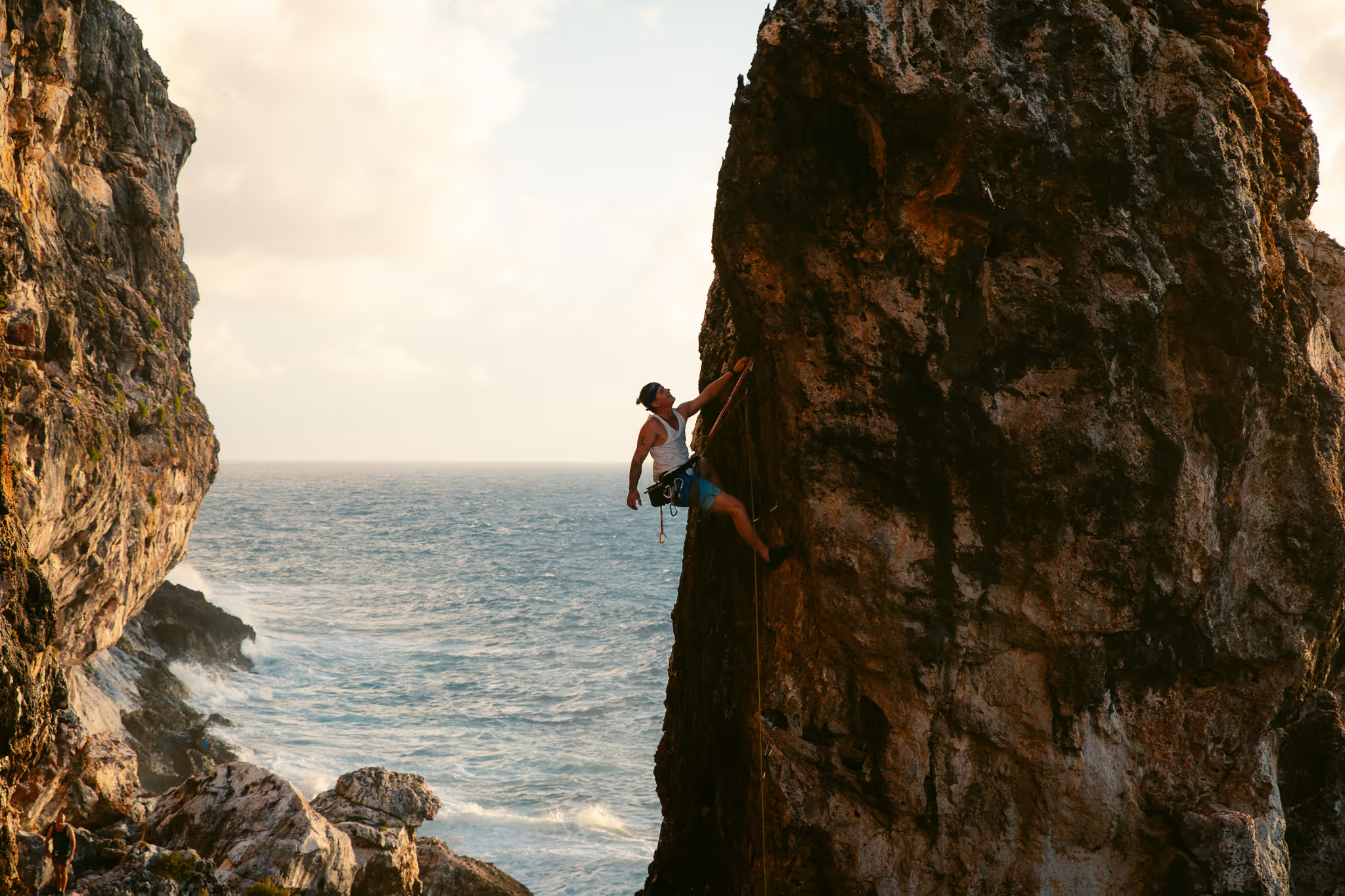
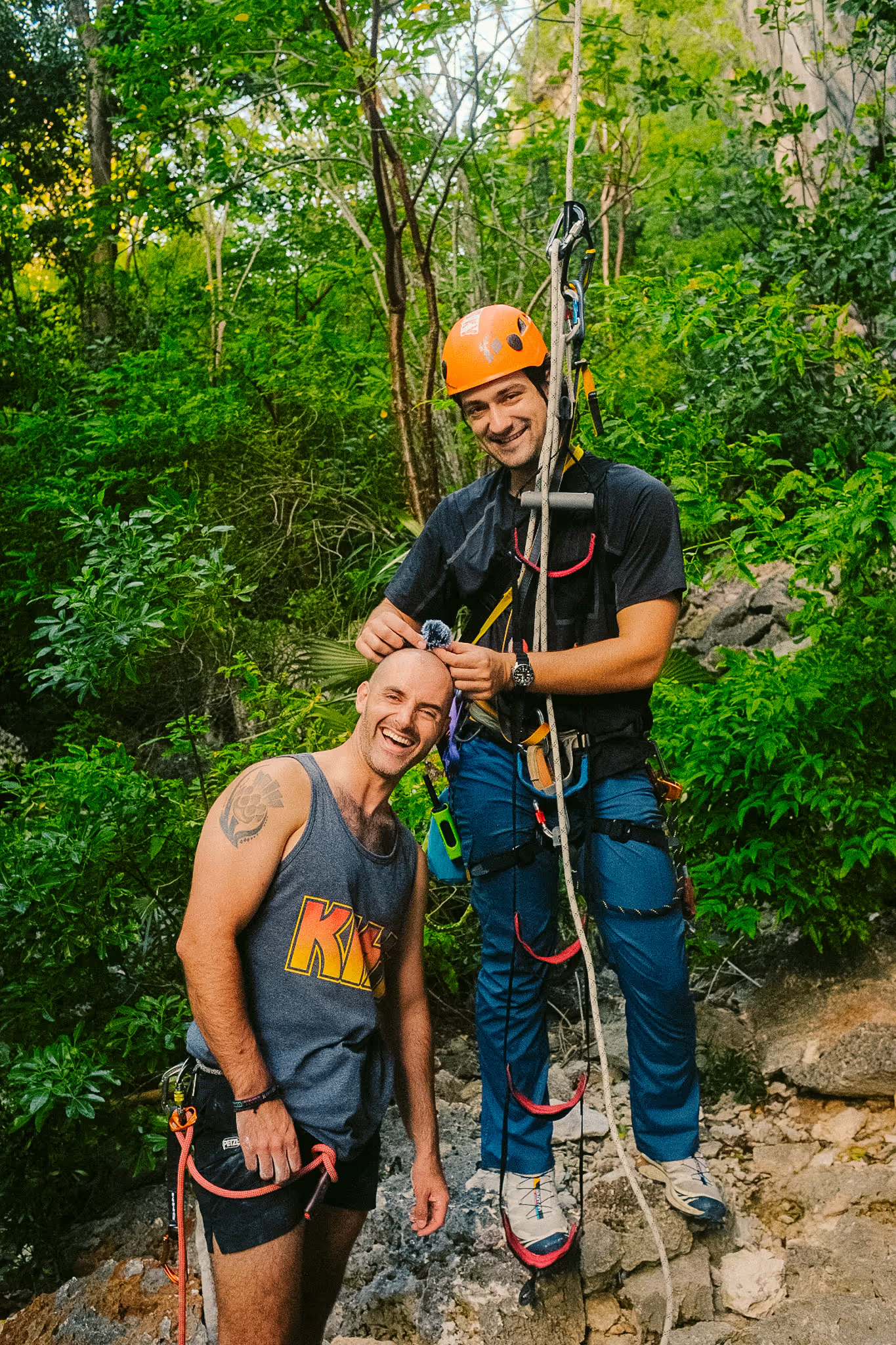
Filming the climbers, I knew that a drone wouldn’t give you the same closeness, and I didn’t know how to rock climb before this film, and I didn’t want to hand my cinema camera to someone, so that only left me with one option: I needed to learn how to climb. I reached out to a local First Ascent climbing gym in Chicago to learn how to ‘ascend with a grigri’.
After some emails, I was able to get hands on private lessons with Dave Hudson, one of the co-founders of the gym franchise, and a legendary climber himself. It was an incredible experience to learn hands-on with such an experienced climber, explaining to him what I was doing, and learning step by step how to be safe and what to do and what I should absolutely avoid. For my last lesson, I brought my camera rigged up exactly how I’d use it on Cayman Brac, a very helpful test run for the setup in a controlled environment.
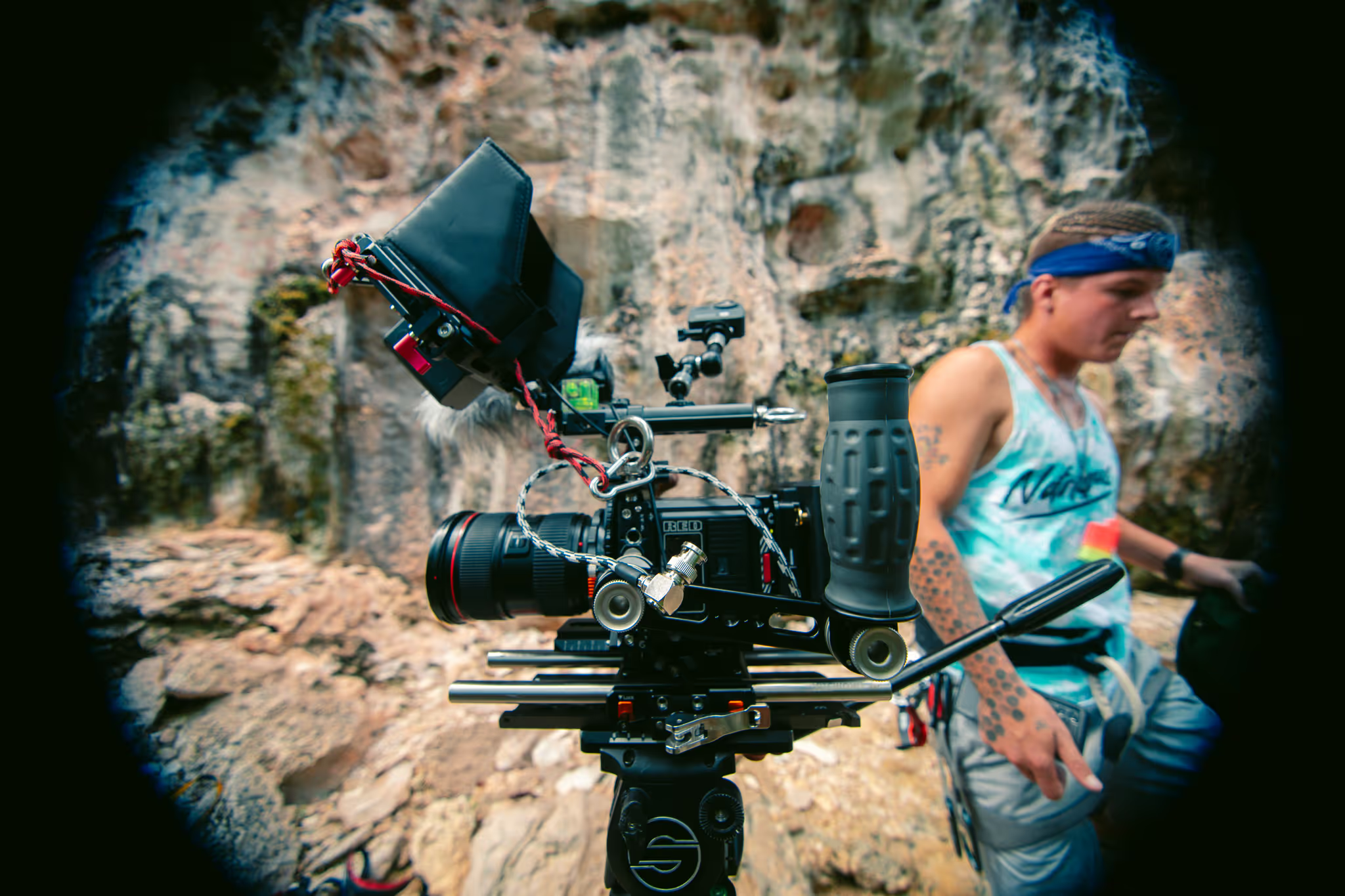
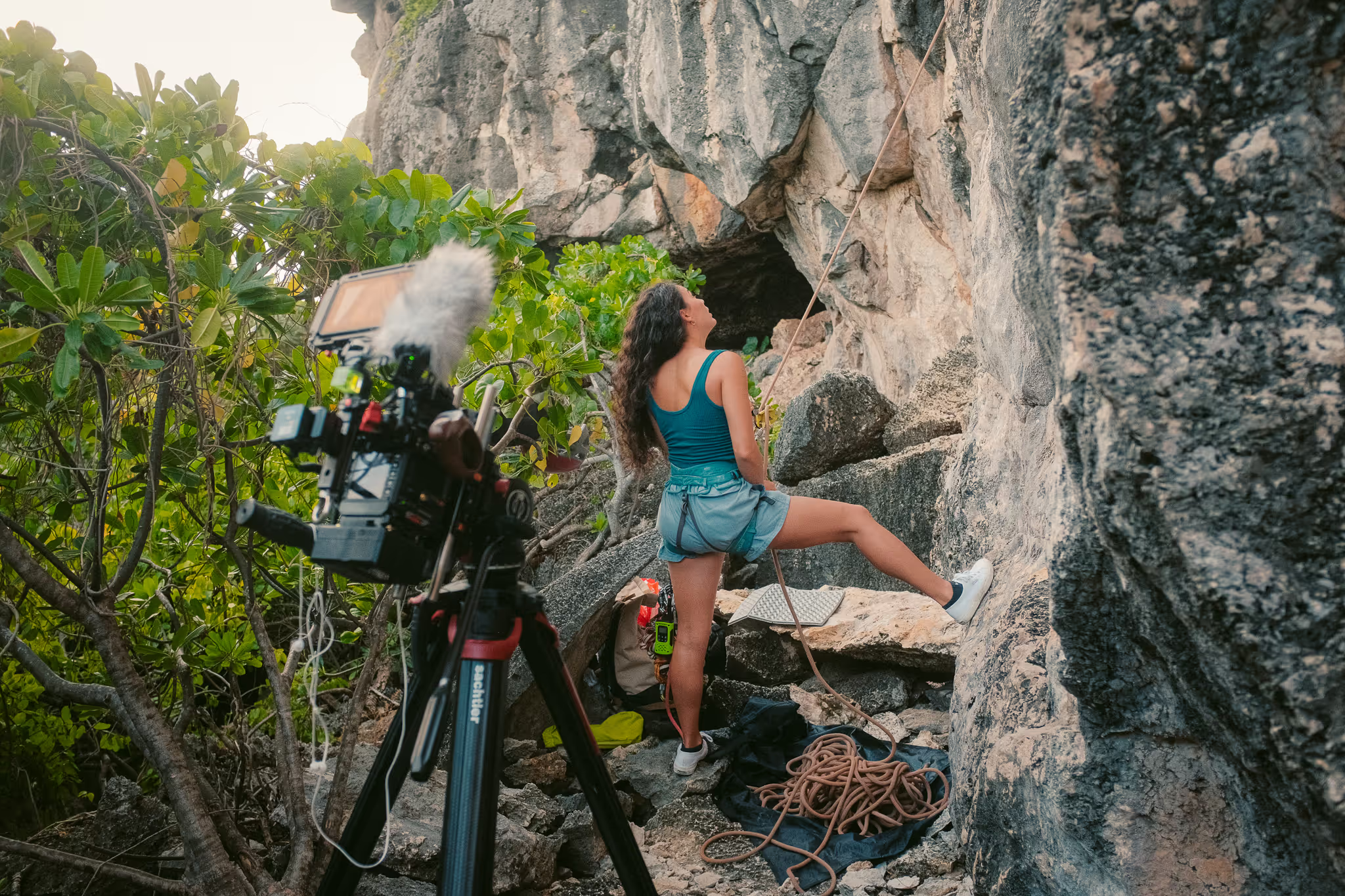
A mix of eye bolts, carabiners and runners made the setup safe, easy to handle, and triple secured into my harness. I highly recommend doing a test run of your setup if you are trying something similar. In hindsight, a smaller camera like a Sony FX3 would have been better, but I only had my Red Komodo so that’s what I had to work with.

Climbing with Gear
From the climbing gym to the real rock face


Finding Interview Subjects on Cayman Brac
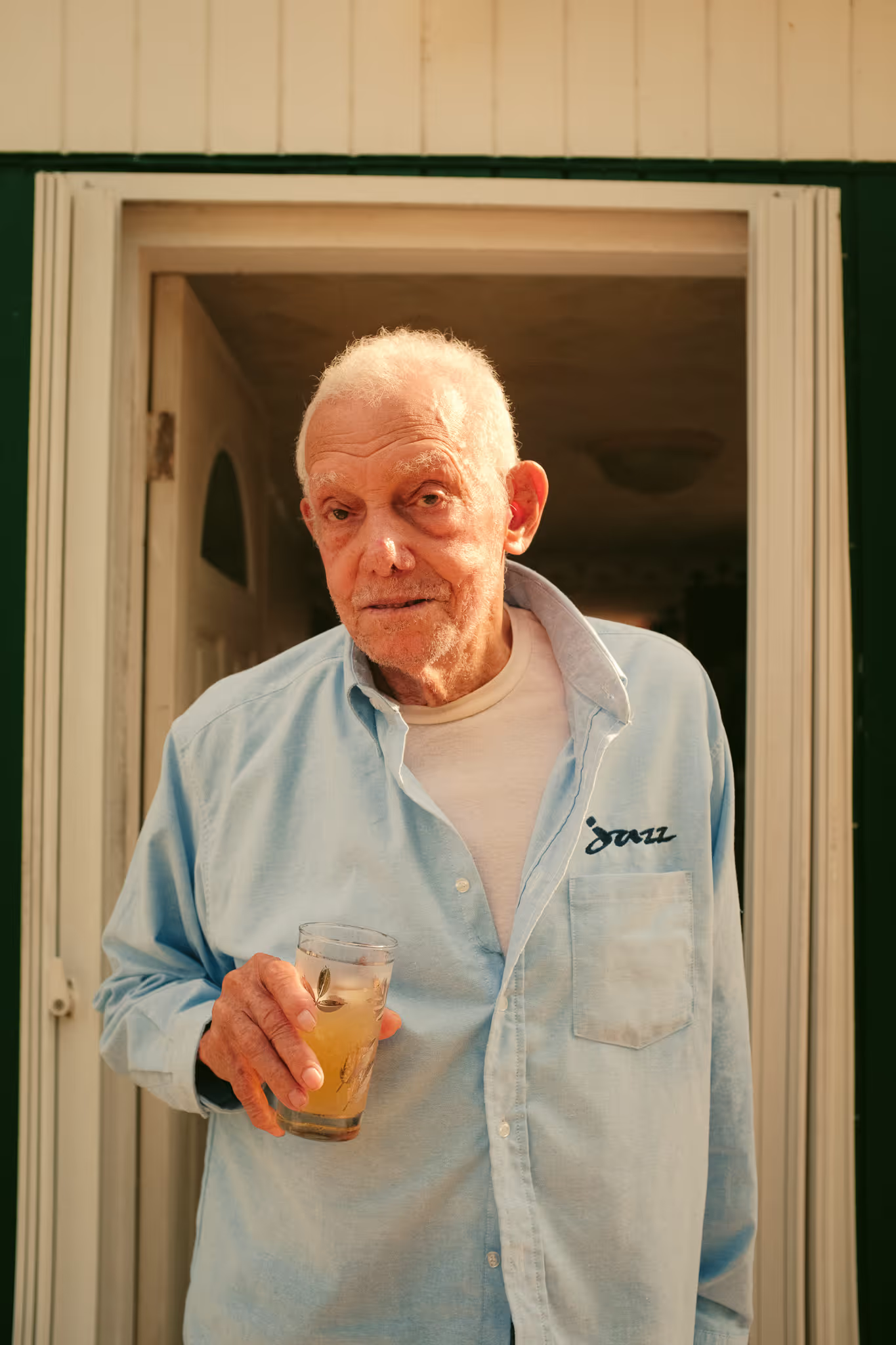
Finding people to interview was all word of mouth and asking around. One of my favorite interviews, the most interesting and unique of the film, is with Tennyson Scott, a Bracker approaching the age of 90 (I can’t remember his exact age).
On my last trip to Cayman Brac, on the flight and at the luggage pickup area I was making small talk with some of the passengers, telling them about my project and asking if they knew any locals I could speak with. They all mentioned a man named “Tennyson Scott”.
How would I find him? No clue, I wasn’t able to get an exact address. By some lucky coincidence, as I was driving through Spot Bay, one of the small towns on the East end of the island, I saw two old men sitting outside in front of their house. One of them happened to be Tennyson! What are the chances that on that day at that time of day, he happened to be outside. I introduced myself, told him about the film, and he was eager to speak with me. Lucky for me, he was a yapper. He loved to talk and share stories. The hard part with interviewing him was getting him to stay on topic and ask the questions I needed to ask. We interviewed for over 90 minutes, after which he offered me dinner and showed me around the house. Right place at the right time.
What surprised me the most was how eager everyone was to speak with me about the cats, the island, the birds, and the ongoing dilemmas the island is facing. I’m so grateful to have uncovered this story, to the people I met, and the story we were able to make.
The Gear Setup Behind the Film
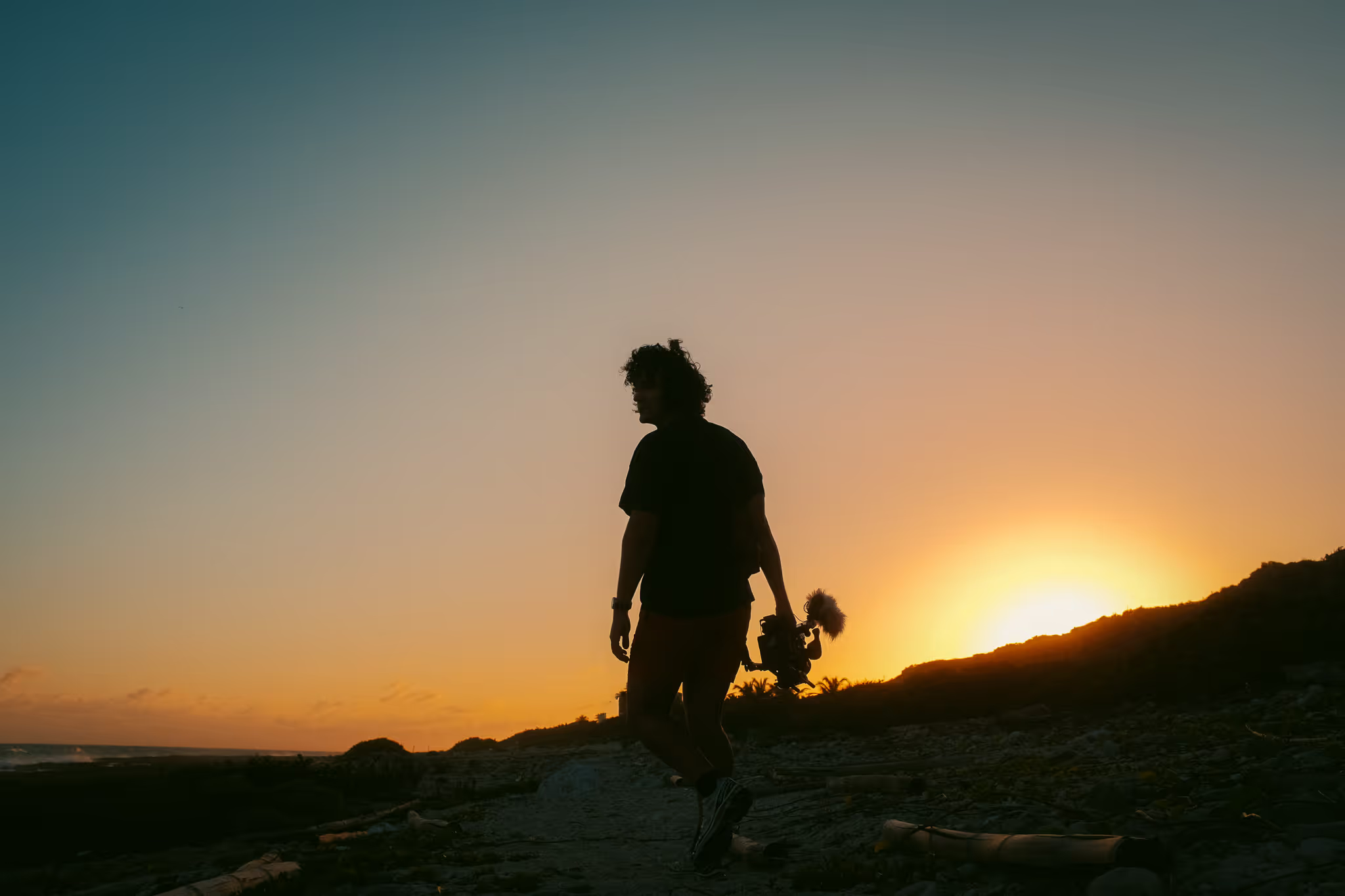
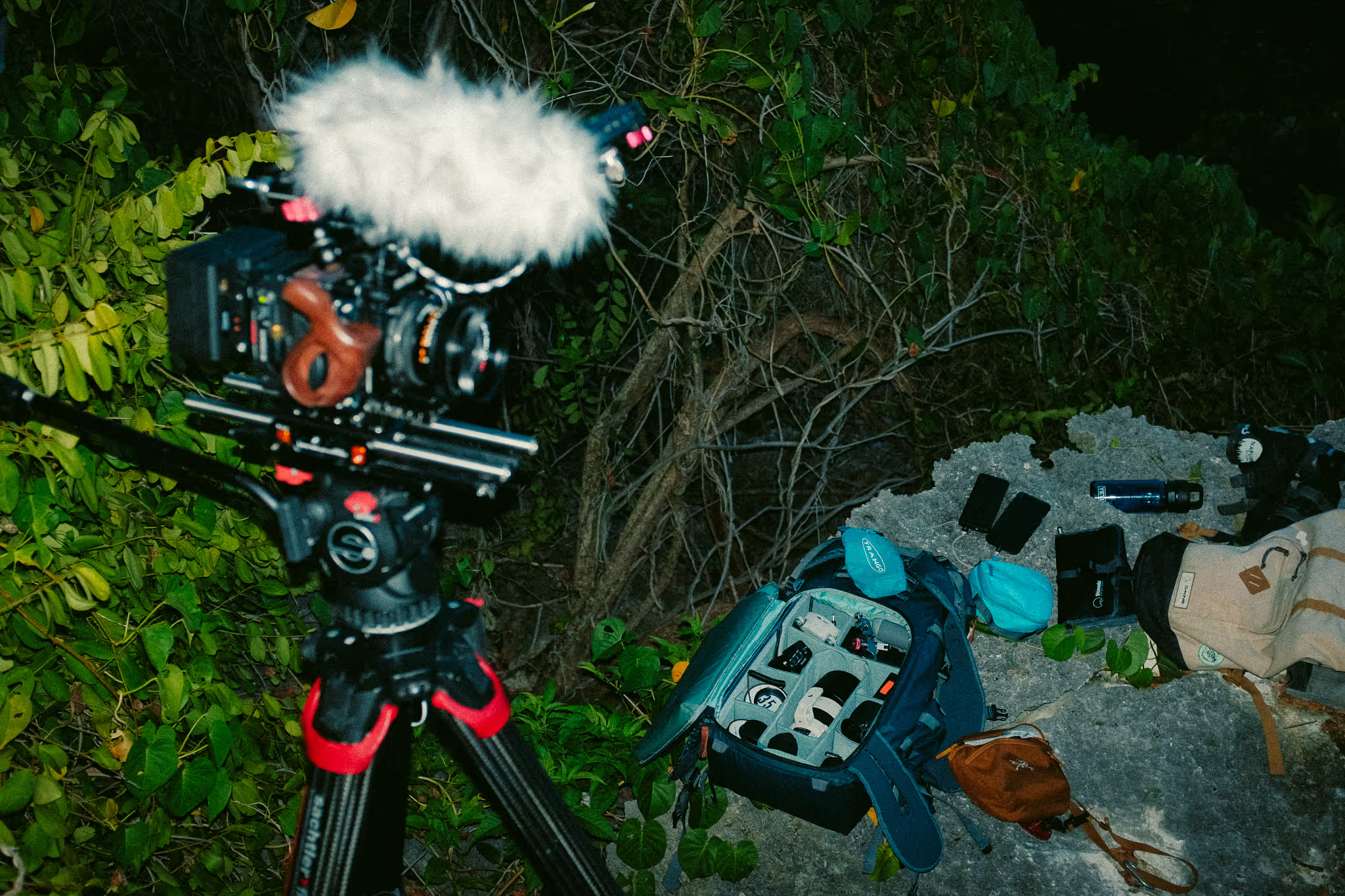
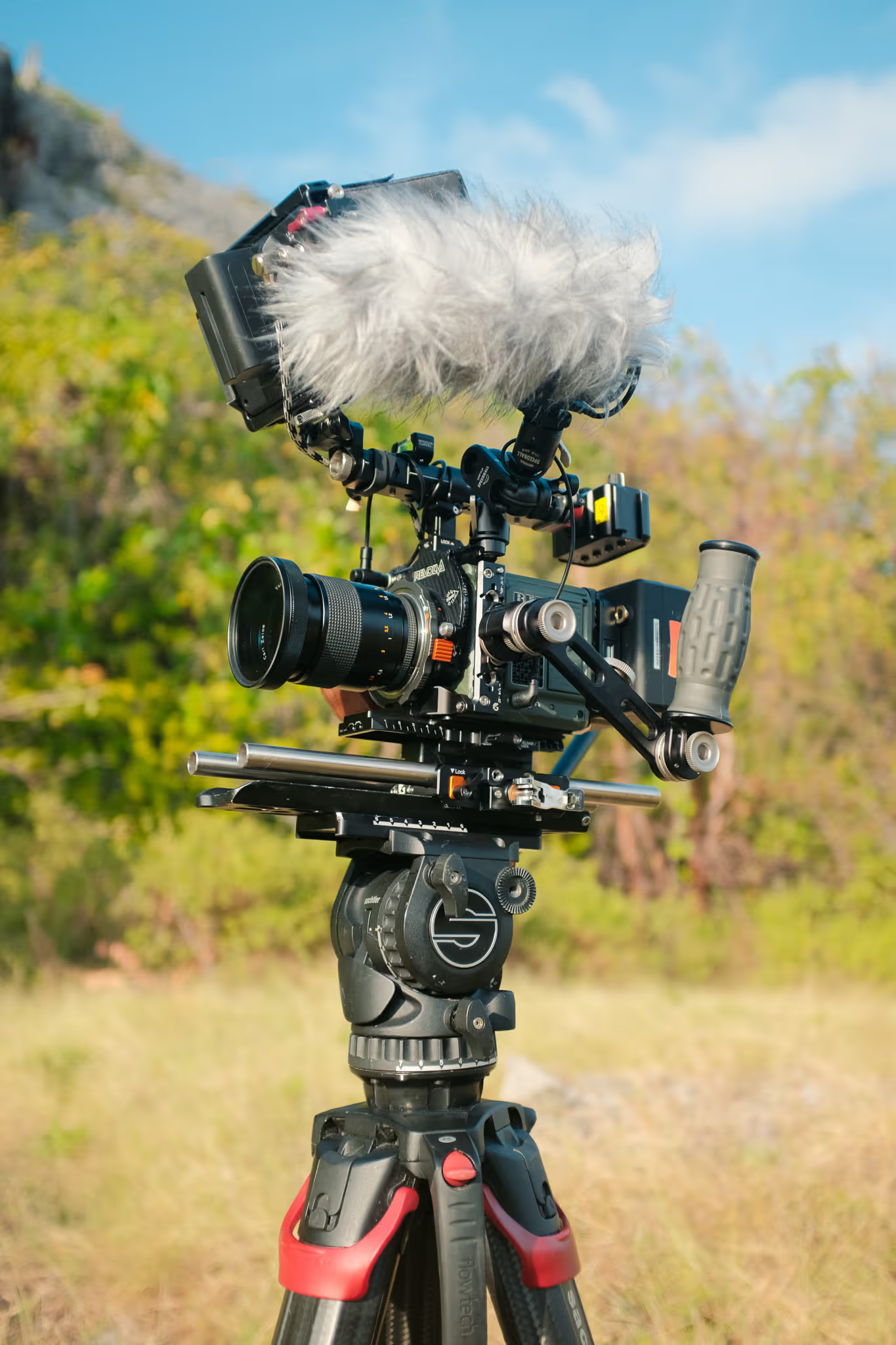
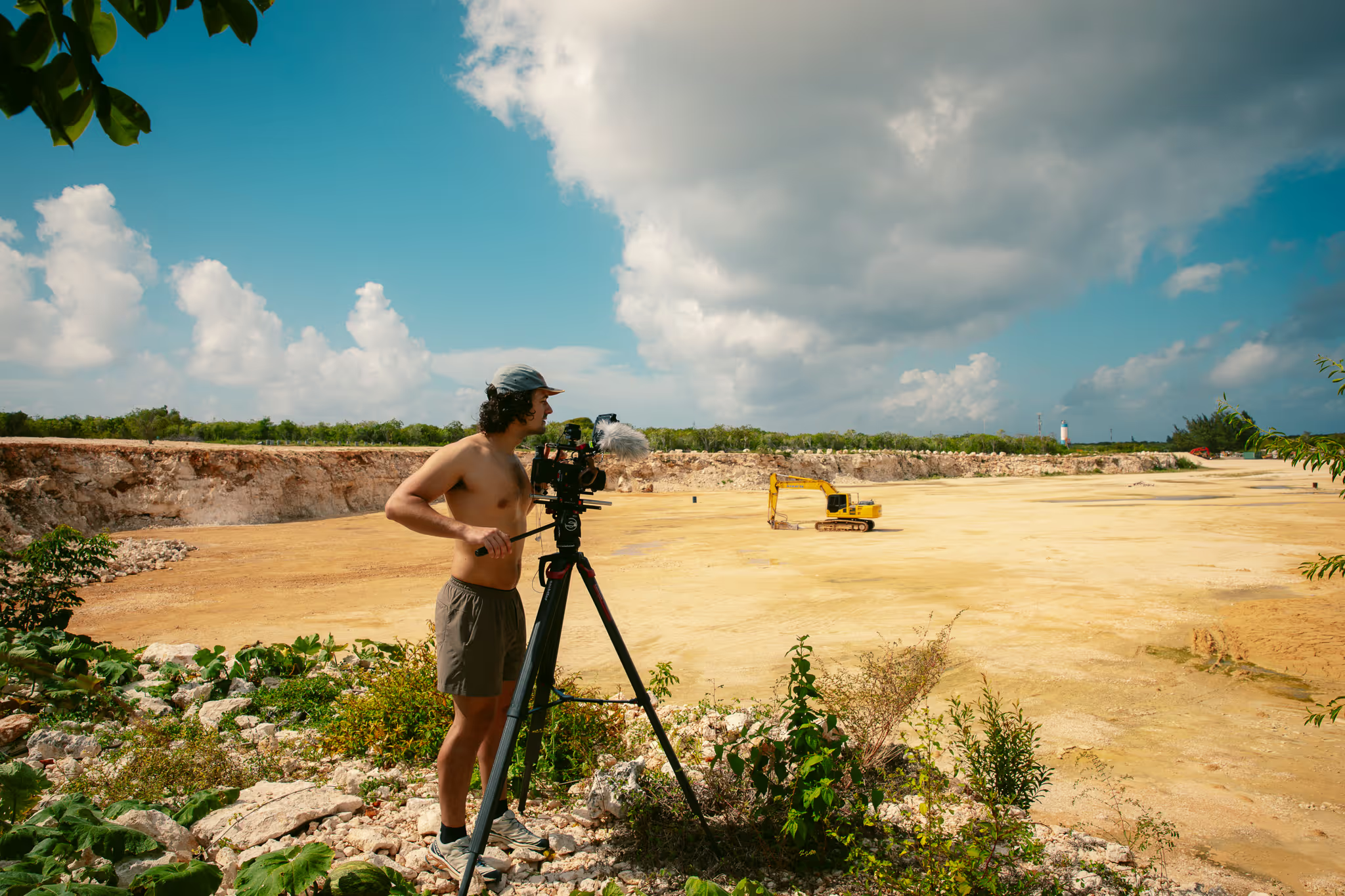
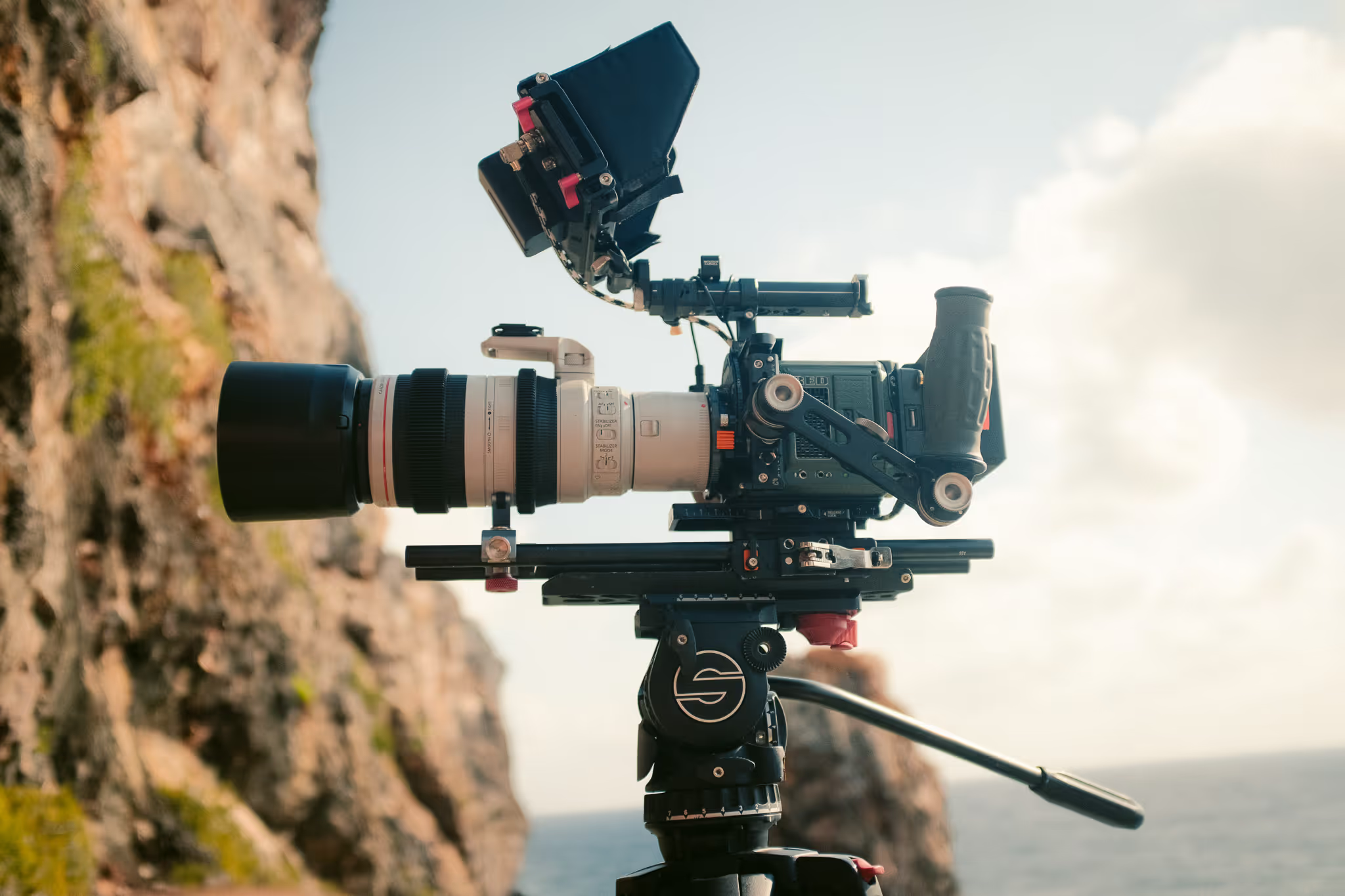
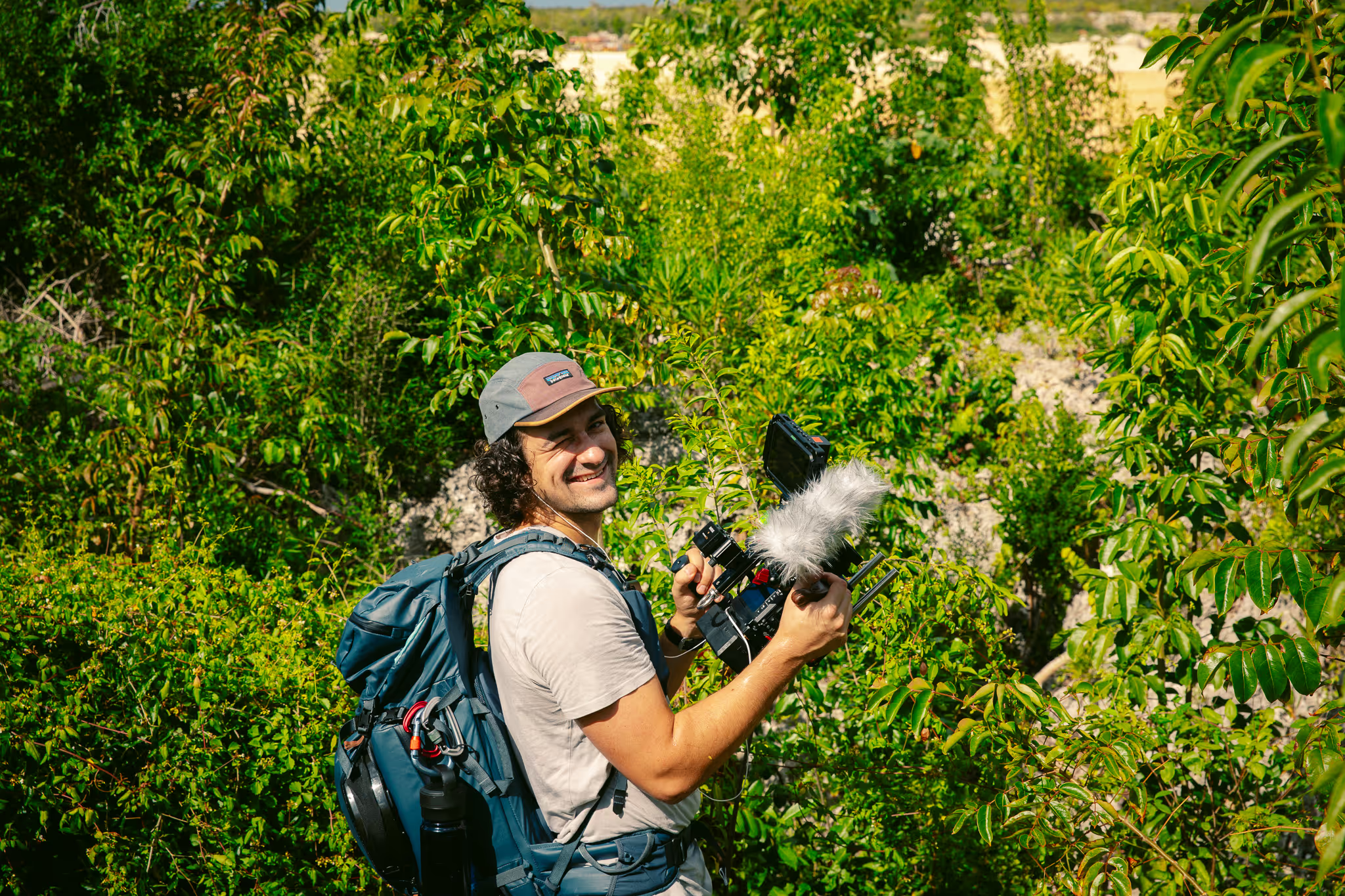
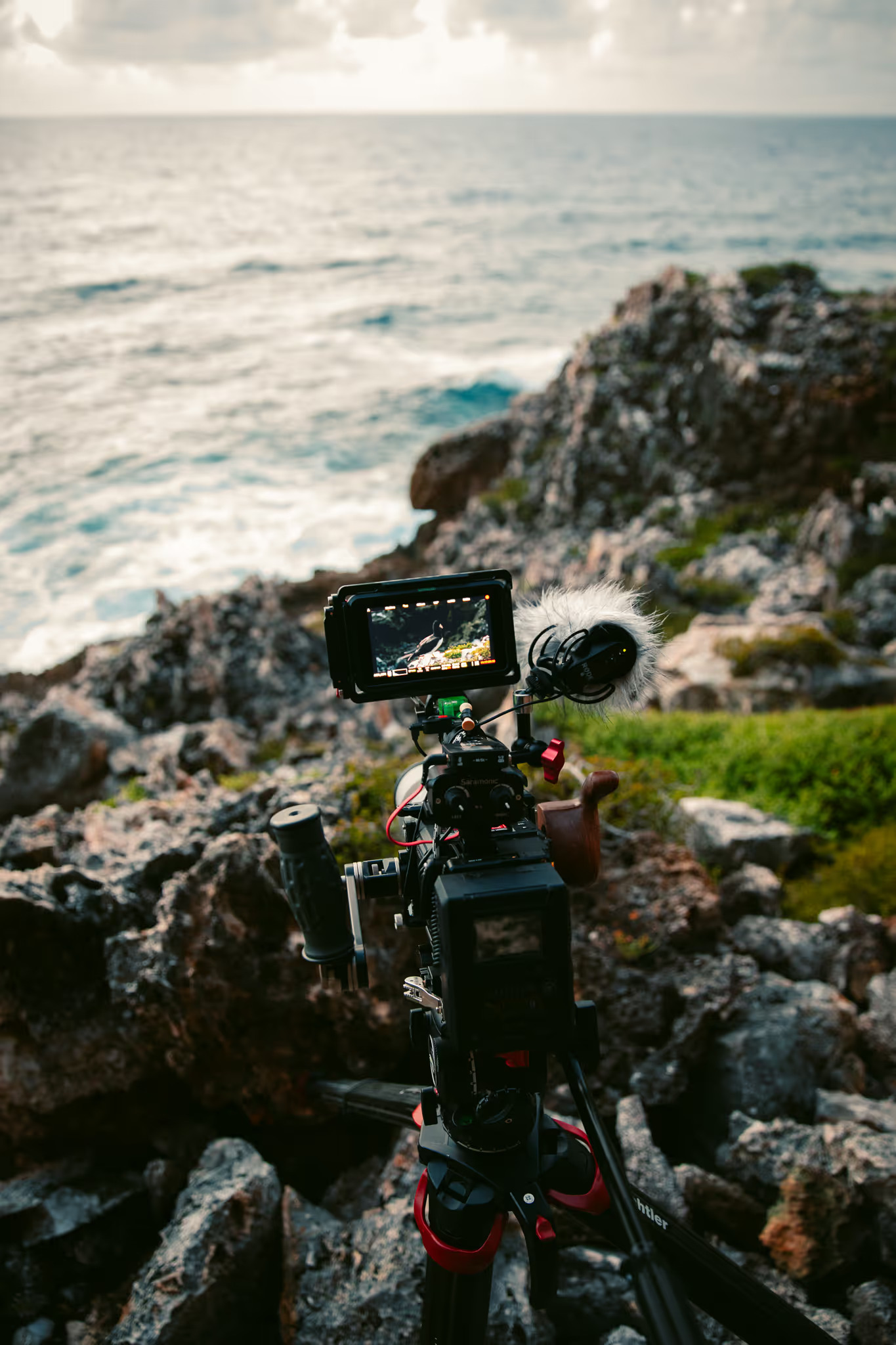
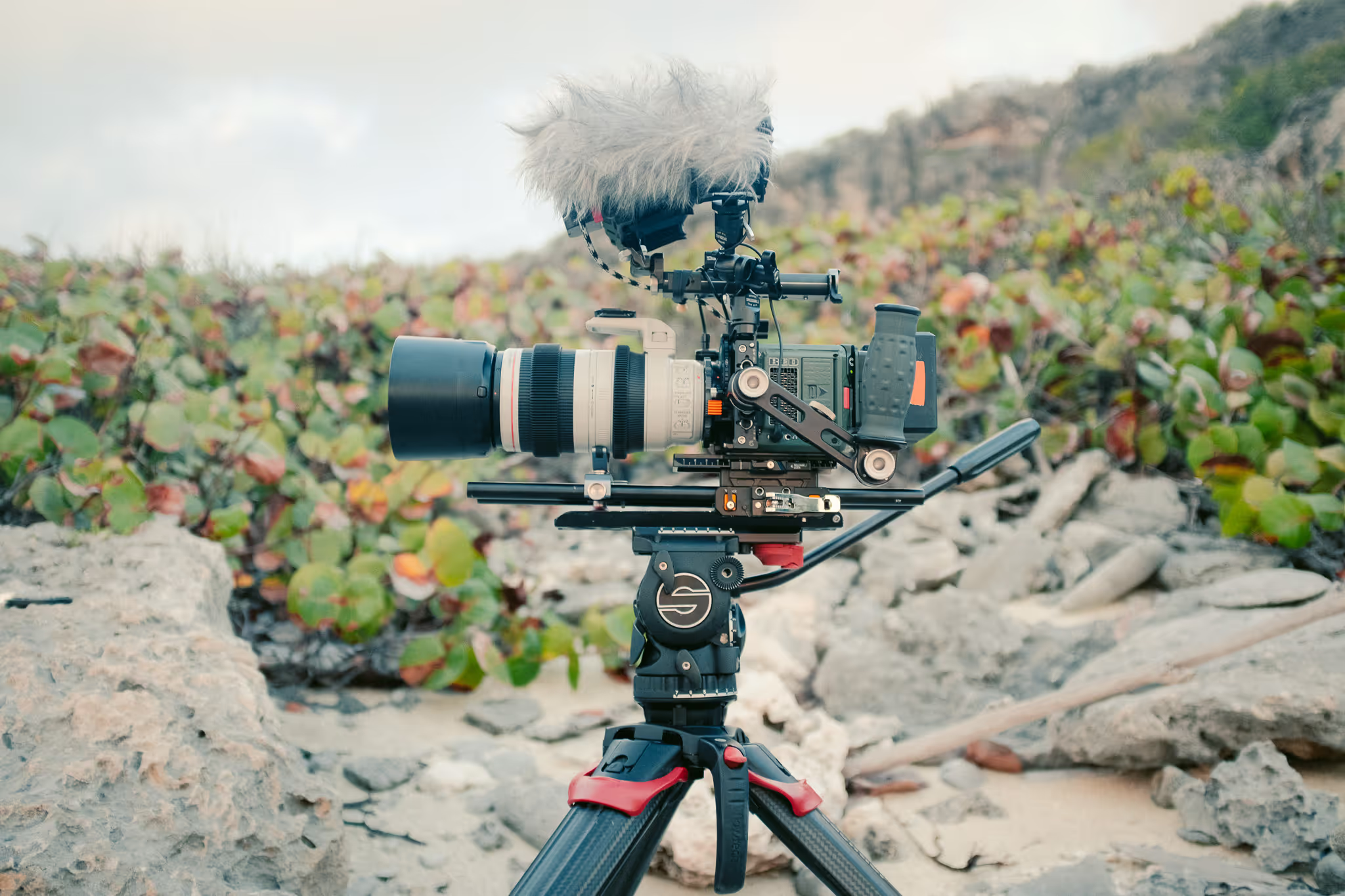
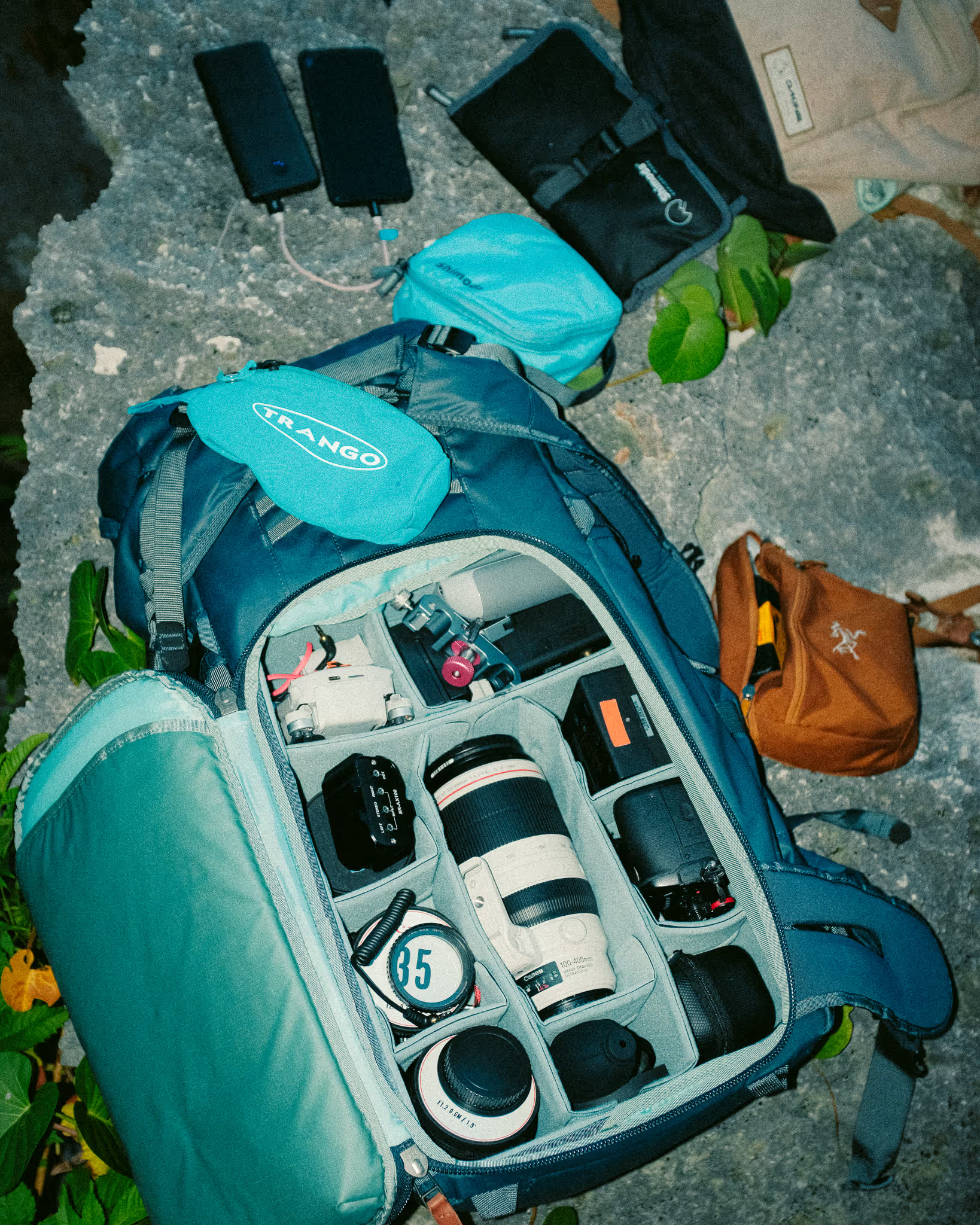
For the gear nerds, I shot this film exclusively on my Red Komodo and the drone footage was captured on the now ancient DJI Mavic 2 Pro. For the wide to medium shots, this was filmed on a variety of lenses, trying to use lenses with character as much as possible. I predominantly used my cine-modded Canon FD lenses (24, 35, 55, 85), my Tokina 11-16 for some super-wides, and for all of the telephoto shots of the birds, my Canon 100-400 ii IS, with a 2X extender. The film being shot in 5K 17:9 RED Raw LQ, was a decision made based on file sizes and data management, and that the extra crop allowed me to get roughly 1,000mm, stable shots with a setup that fits into my backpack.
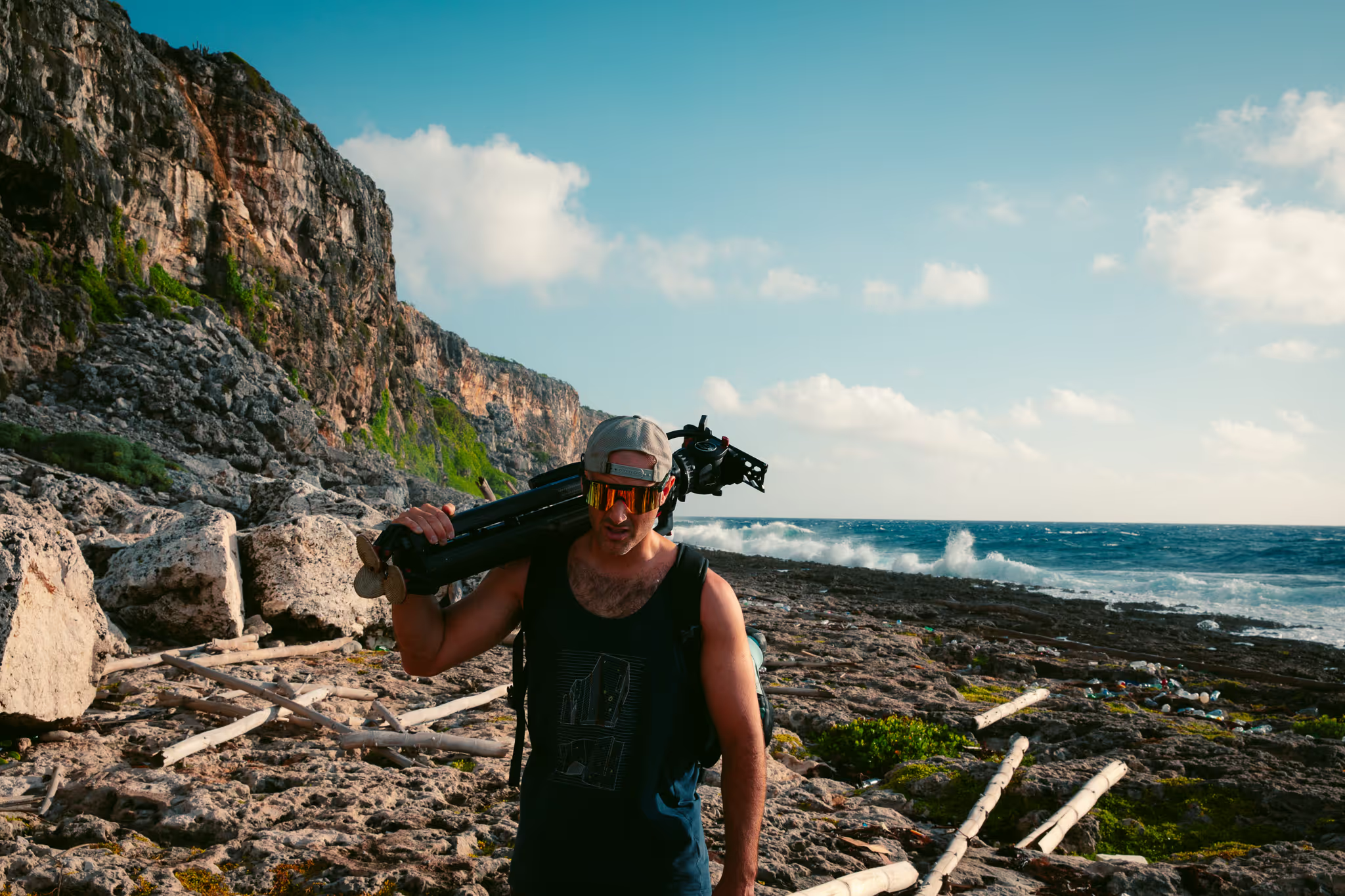
I truly believe this setup is unbeatable for the size. Yes, you lose a ton of light with the tele-extender, but the focal range you gain is unmatched. We used the same exact setup on Brothers of the Sea, which sidenote, was started and finished inside of the timeframe of this film's start and completion. The tripod I rented on the first trip and then fell in love with was the Sachtler Flowtech 75 with the Aktiv 8 head, I bought and kept after using it. You need to have a solid tripod for huge telephoto shots, and this one was perfect. The legs allowed me to get to eye level for certain standing interviews, while getting low for others. I can’t recommend it enough.
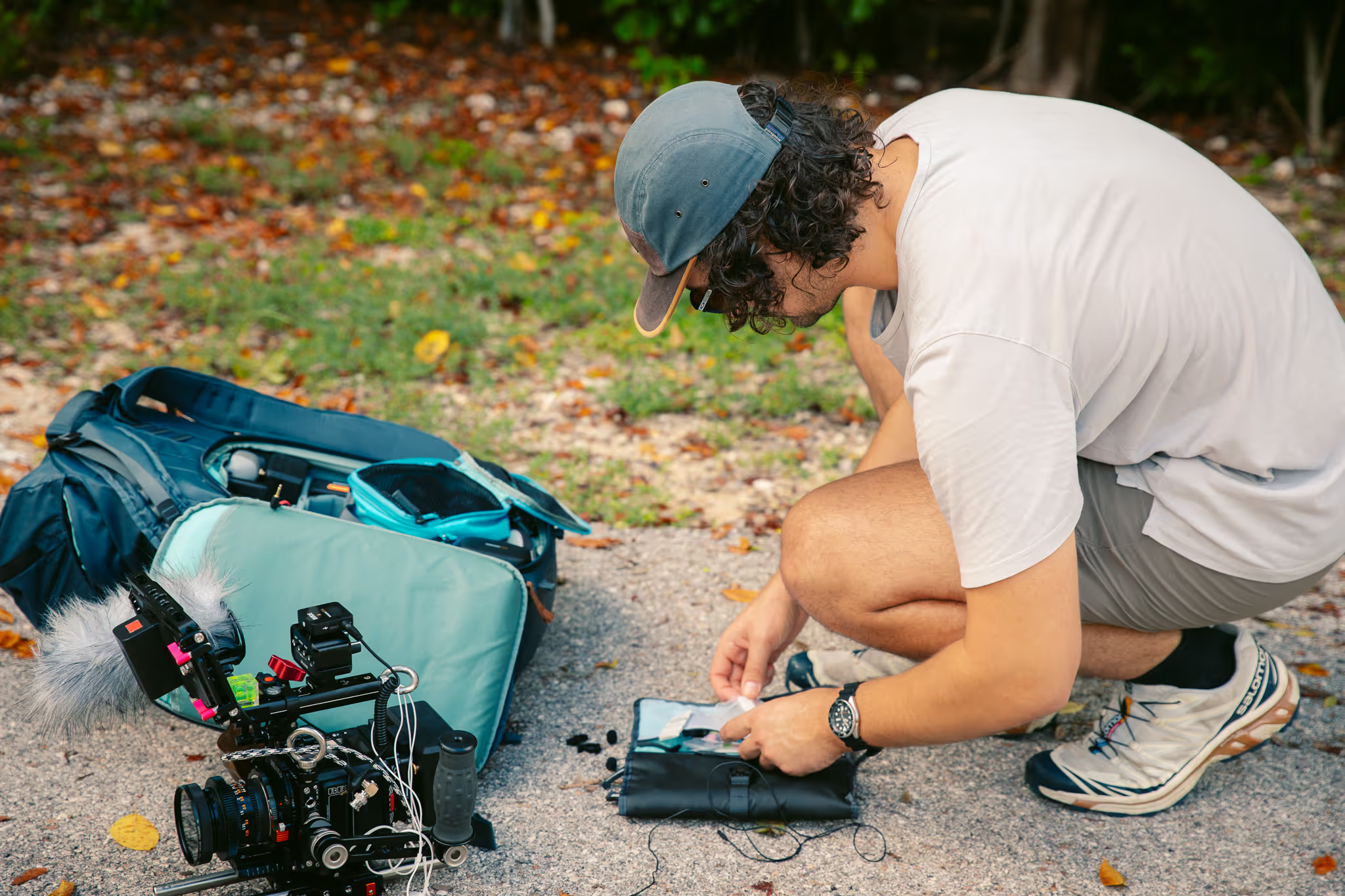
Audio was mainly captured with a Rode Videomic Pro and Rode Wireless II microphones with lavalier mics. I will definitely be improving my audio setup for the next trip (for capturing on-camera audio). After my first trip, I spoke with a close friend of mine who recommended bringing a recorder to record ambient sounds around the island to help build the world in post production for the sound mix. I got 2-3 minute recordings with a Zoom H5 on the bluff, on the beach, in town, when it was windy, after sunset, ect. This really helped us build a foundation for the post sound mix.
The Gear

Solo Filmmaking Tip
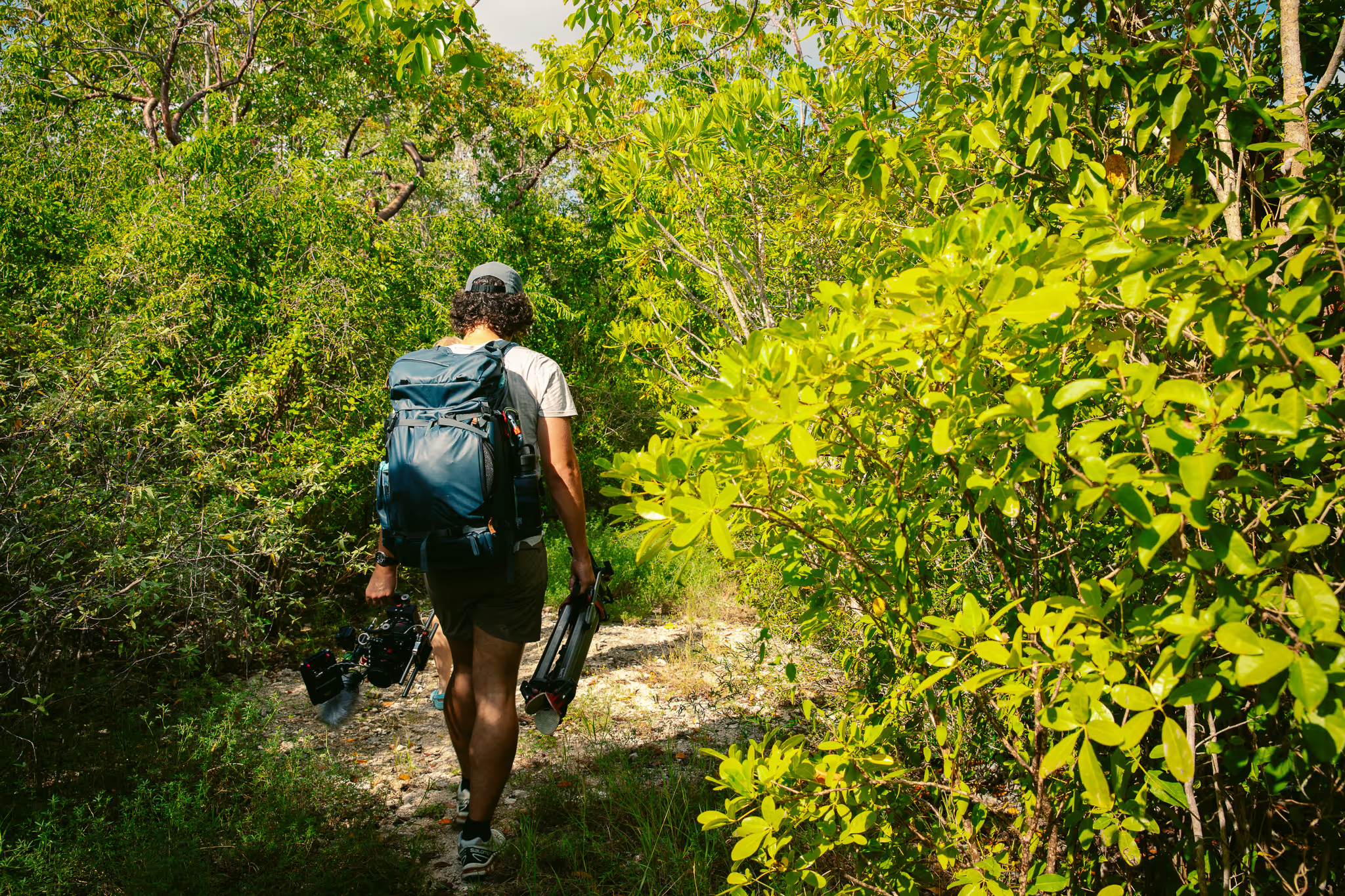
My biggest tip for these types of solo films is “less is more”. Bring way less gear than you think. Make a conservative gear list, bringing only 2-3 primes and a zoom, and work with that.
On the first trip, I checked four 50 pound bags, and by the third trip I think I only checked one. If the gear gets in the way of you capturing the story you set out to capture, don’t bring it. Consider weight, what powers your accessories, and does it all fit in one backpack?
Write down notes about what worked and what didn’t and that will help you decide your packing list for your next trip.
Ending Note
The note I’ll end on is this: you decide when a film should start and end. Especially in documentary filmmaking, a film can technically go on forever, because you are documenting real life and real life goes on forever. When a film is considered complete is up to the director’s creative discretion and interpretation.
I would have loved to keep filming, but I knew this story would be a powerful 15 minute short doc, just enough to ask broad questions, make you think, open up your world view and perspective. Perhaps this film will be the stepping stone to the next. Perhaps not.
What matters is that the film is complete, and I can clear my mind of this massive 2+ year project and move on to the next.
Gallery
What Comes Next
Thank you for reading if you’ve made it this far. The next entry will be about the editing and post production of the film, the second collaboration with Ethan Edmunds this time as the editor of a film I directed, and what it took to get this film to completion.
Brac is not yet publicly available to view as we are currently pursuing our festival run this year. If you have any questions or would like to talk shop, please reach out directly, I’d love to connect!